The Long Council
Who was selected, and why
Should governments ban PFAS to protect the environment and health?
The central tension
The precautionary principle versus economic continuity, whether documented health and environmental risks from persistent chemicals justify comprehensive prohibition despite economic costs and potential disruption to industries dependent on PFAS.
Selected members
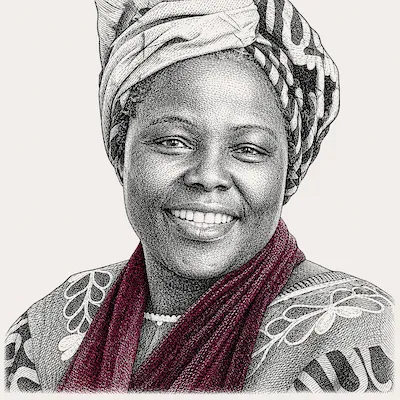
Wangari Maathai
Will argue: For comprehensive PFAS ban as both environmental necessity and democratic accountability, corporations that profit from pollution while externalizing costs are reproducing colonial extractive patterns
The council's environmental governance specialist with documented framework linking environmental degradation to corporate power and democratic accountability
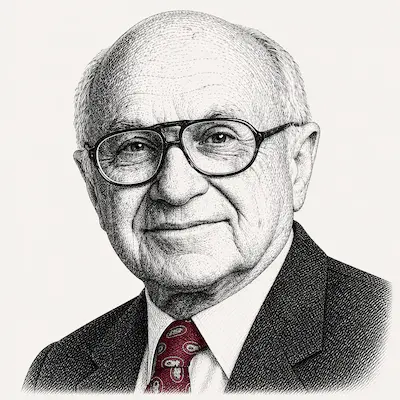
Milton Friedman
Will argue: Against PFAS ban as premature government overreach, market mechanisms and liability law can address damages more efficiently than regulatory prohibition
The free-market advocate whose framework directly challenges regulatory intervention in corporate activity
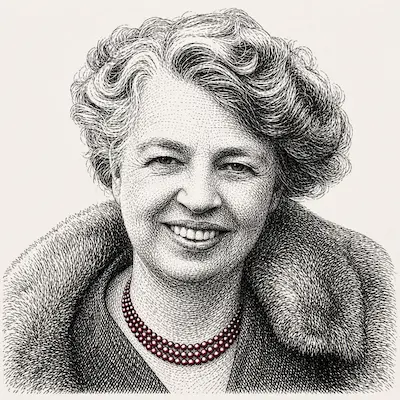
Eleanor Roosevelt
Will argue: For PFAS regulation as a human rights issue, the right to health requires protecting people from known toxic exposures, particularly vulnerable populations
The architect of universal rights frameworks with specific documented engagement on public health as a human right
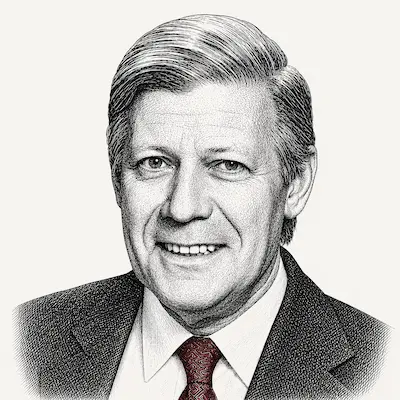
Helmut Schmidt
Will argue: For measured transition approach, PFAS ban necessary but must include timeline for alternatives development and support for affected industries and workers
European leader with documented experience managing resource security and industrial transition under pressure

Kautilya
Will argue: For comprehensive regulation with severe penalties, states must protect subjects from harmful products regardless of economic interests; prevention cheaper than treating damage
The systematic theorist of state regulation of markets and products for public welfare
Considered but not selected
Hayek: Too similar to Friedman's market position without adding distinct analytical value - Rachel Carson, Not in the council roster (though her framework would be directly relevant) - John Rawls, His justice framework relevant but Eleanor Roosevelt's rights approach more directly applicable to toxic exposure questions