The Long Council
Who was selected, and why
Does Europe really have an immigration crisis and if so how can it be solved?
The central tension
Whether current European immigration levels constitute a manageable governance challenge requiring policy adjustment or a fundamental threat to social cohesion and institutional capacity requiring more dramatic intervention.
Selected members
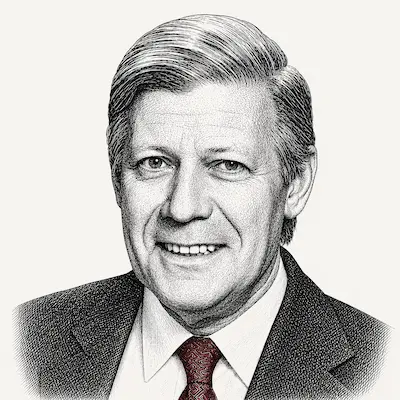
Helmut Schmidt
Will argue: Immigration flows require managed integration with clear limits; uncontrolled migration threatens institutional capacity and social cohesion.
Schmidt's framework on energy security and resource dependency applies directly to population movement as a sovereignty question, plus his documented experience managing guest worker programs in 1970s Germany.
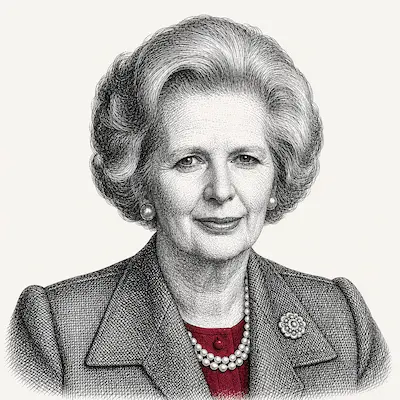
Margaret Thatcher
Will argue: National sovereignty requires control over borders; excessive immigration undermines the social trust necessary for democratic institutions.
Her documented positions on sovereignty, national identity, and the limits of European integration directly address immigration as both a policy and identity question.
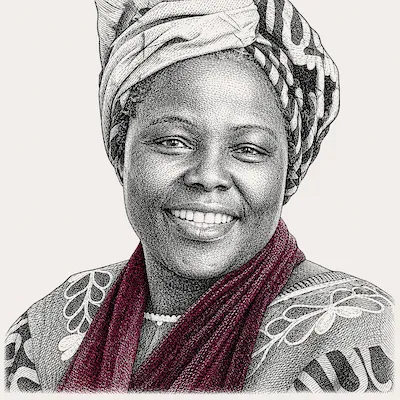
Wangari Maathai
Will argue: European immigration pressures reflect governance failures and resource extraction in origin countries; solutions require addressing structural causes.
Her framework linking resource scarcity, governance failure, and population movement addresses root causes of migration from the Global South to Europe.
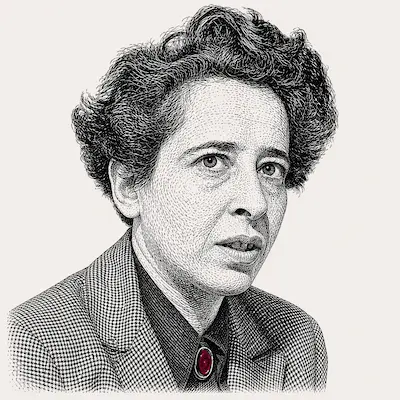
Hannah Arendt
Will argue: The immigration challenge reveals structural limits of the nation-state system; stateless persons require political membership, not just humanitarian assistance.
Her analysis of statelessness and the "right to have rights" directly addresses the fundamental challenge of governing displaced populations without political membership.
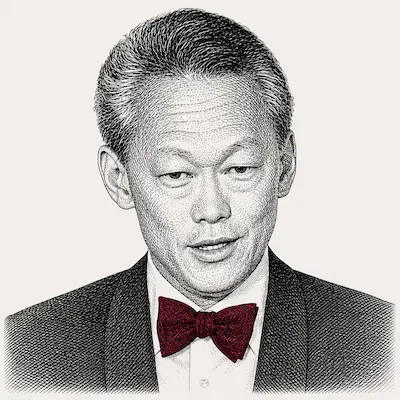
Lee Kuan Yew
Will argue: Successful immigration requires selective admission based on economic need and demonstrated integration capacity.
Singapore's managed immigration model, selective admission, mandatory integration, clear performance criteria, provides a documented alternative to European approaches.
Considered but not selected
Adenauer: Post-war reconstruction experience less relevant to contemporary migration patterns - Roosevelt: New Deal framework doesn't address the specific sovereignty and integration challenges of cross-border population movement - Mandela: Post-apartheid reconciliation model not applicable to voluntary migration management