The Long Council
Who was selected, and why
An aging country needs migrants but does not want them. How do you solve that?
The central tension
Economic necessity versus democratic mandate, the structural requirement for migrant labour conflicts with the documented electoral preference for reduced immigration.
The two poles
Economic Integration
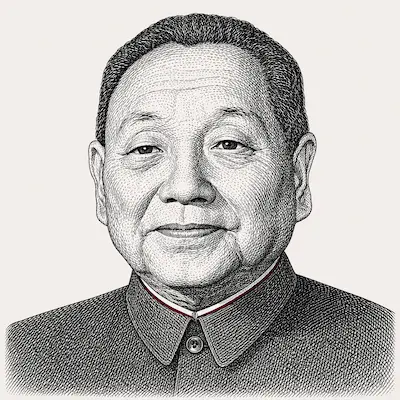 Deng Xiaoping
LKY
Democratic Sovereignty
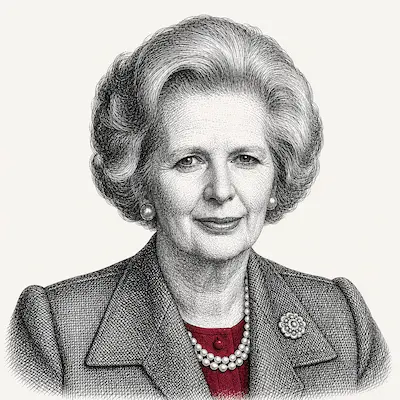 Margaret Thatcher
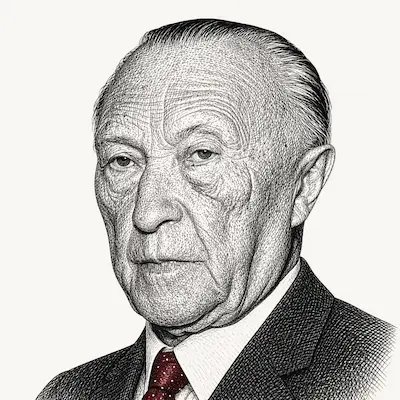 Konrad Adenauer
Selected members
Deng Xiaoping
Will argue: Economic development requirements must override ideological preferences; managed integration of necessary labour while controlling the political narrative and maintaining sovereignty.
His pragmatic approach to managing demographic and economic transitions while maintaining political control directly applies to reconciling popular resistance with economic necessity.
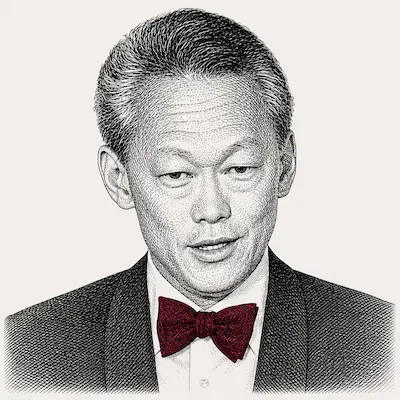
Lee Kuan Yew
Will argue: Selective immigration based on economic utility, with strict integration requirements and clear frameworks for social cohesion, can satisfy both economic needs and popular concerns about control.
Singapore's documented success in managing controlled immigration for economic development while maintaining social cohesion and national identity provides the most relevant small-state model.
Margaret Thatcher
Will argue: National sovereignty and democratic mandate must not be subordinated to economic expediency; popular control over immigration is a legitimate democratic right that cannot be overridden by demographic projections.
Her documented tension between economic liberalism and national sovereignty concerns, plus her experience with EU labour mobility pressures, directly parallels the Netherlands' current dilemma.
Konrad Adenauer
Will argue: Temporary, managed labour programmes can address demographic needs while maintaining democratic legitimacy through clear frameworks, integration with European partners, and transparent public process.
His experience managing Germany's post-war labour shortage through the Gastarbeiter programme while building European integration provides documented precedent for managed labour migration.
Considered but not selected
Helmut Schmidt: Not selected because his energy/resource security framework, while relevant to sovereignty questions, does not directly address demographic-labour policy - Mahathir Mohamad, Not selected because his framework centres developing country resistance to external economic pressure, not developed country management of necessary immigration - Indira Gandhi, Not selected because her framework addresses continental-scale governance rather than the specific challenge of small European states managing selective migration