The Long Council
Who was selected, and why
How can Europe develop a long-term strategy for climate and conflict migration that combines humane reception with social stability?
The central tension
The fundamental analytical conflict between immediate humanitarian obligations to displaced populations versus long-term institutional capacity and social cohesion in receiving societies.
Selected members
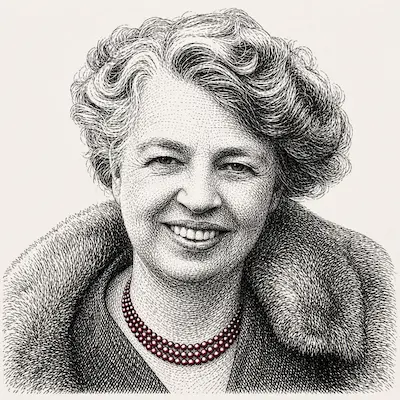
Eleanor Roosevelt
Will argue: That Europe has binding legal and moral obligations to displaced populations, and that international cooperation through strengthened institutions is the only durable solution to mass displacement.
Architect of the international human rights framework that established the legal obligations underlying refugee protection and statelessness as a fundamental governance problem.
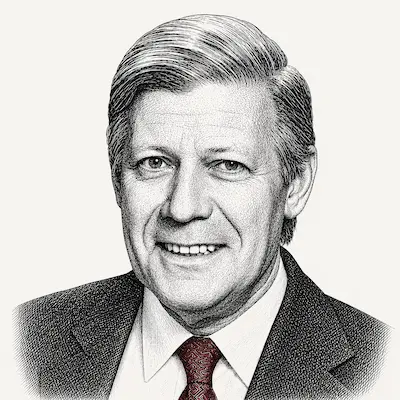
Helmut Schmidt
Will argue: That migration strategy must prioritise European institutional stability and burden-sharing arrangements, with reception capacity scaled to sustainable integration rather than humanitarian demand.
Governed through energy crises and managed complex coalition politics while maintaining European stability; experienced in balancing humanitarian commitments with sovereign capacity constraints.
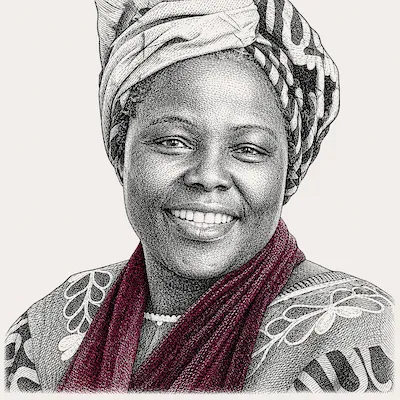
Wangari Maathai
Will argue: That sustainable migration solutions require addressing environmental and governance failures in origin countries, not just managing arrivals in destination countries.
The only member who systematically analysed the relationship between environmental degradation, conflict, and displacement, with documented understanding of root causes in the Global South.
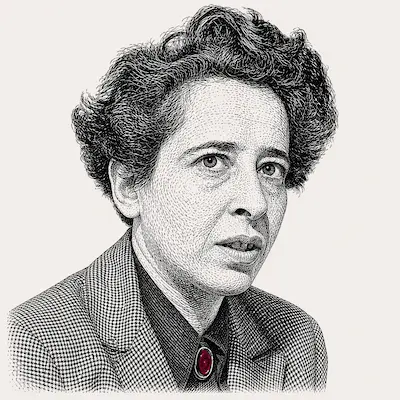
Hannah Arendt
Will argue: That mass displacement threatens the political communities required for democratic governance, and that sustainable solutions must preserve the capacity for political membership and citizenship.
The theorist of statelessness, totalitarianism's preconditions, and the relationship between mass displacement and political community breakdown.
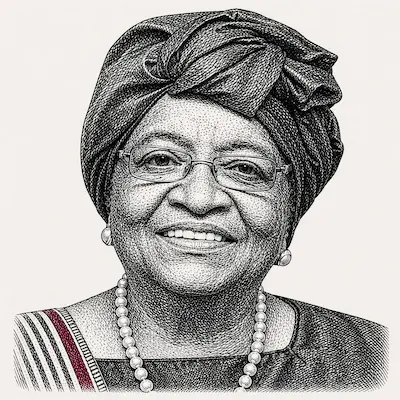
Ellen Johnson Sirleaf
Will argue: That long-term solutions require massive development investment in fragile states to address displacement at source, coordinated through reformed aid architecture that builds rather than undermines state capacity.
Managed post-conflict state reconstruction under severe resource constraints while maintaining international legitimacy; experienced in coordinating aid architecture with sovereignty requirements.
Considered but not selected
Nehru: Relevant experience with partition displacement but framework assumes continental-scale state capacity not available to European nation-states - Mandela: Post-conflict reconciliation expertise valuable but no documented framework for international migration management - Adenauer: Post-war reconstruction experience relevant but focuses on reconstruction within European context rather than South-North displacement