An aging country needs migrants but does not want them. How do you solve that?
Built from documented writings, speeches, decisions and historical records. Council members argue from those positions, applied to today's question.
Build consensus through transparent debate about selective migration, not technocratic override of electoral will.
Lee's Singapore model offers the template: temporary permits, integration requirements, skills-based selection. Deng correctly identifies that 3.1 million vacancies mean economic collapse without migration. Adenauer shows European coordination prevents a race to the bottom with Germany's 2023 reforms.
Thatcher's core insight decides the approach: democratic mandate cannot be bypassed by demographic projections.
- 1Build European coordination on integration requirements and skills criteria through bilateral agreements with Germany and other EU partners.
- 2Implement transparent skills-based selection with temporary permits, language requirements, and clear integration standards.
- 3Educate voters through public debate that managed migration prevents economic collapse from 3.1 million unfilled vacancies.
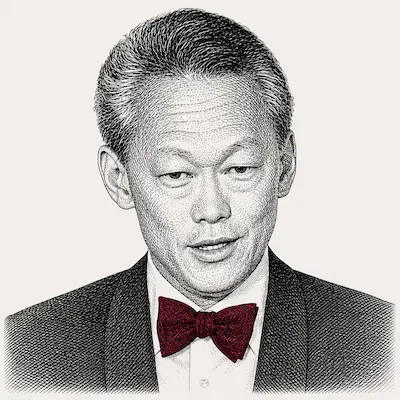
Selective immigration with integration requirements solves both problems.
The Netherlands needs workers, not permanent cultural transformation. In 1965 I built Singapore's controlled immigration model: attract the skills you need, set clear integration standards, maintain social cohesion through housing policy and national service. We took Indian engineers, Chinese financiers, Western executives, but they learned English, served the nation, and accepted Singaporean values. The Dutch can do the same: temporary work permits, language requirements, and clear pathways that serve economic need without threatening national identity.
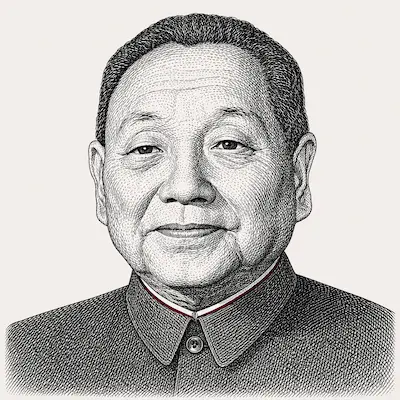
Economic survival overrides electoral preferences when the alternative is collapse.
Singapore's model works for a trading port, not a European democracy. The Netherlands faces structural demographic decline, 3.1 million vacancies by 2030 means economic collapse without migration. In 1978 I opened China selectively despite massive internal resistance to foreign influence. The Four Modernisations required foreign technology and capital; ideology had to yield to necessity. Dutch politicians must educate voters that the choice is managed migration now or economic irrelevance later. Popular resistance fades when prosperity arrives.
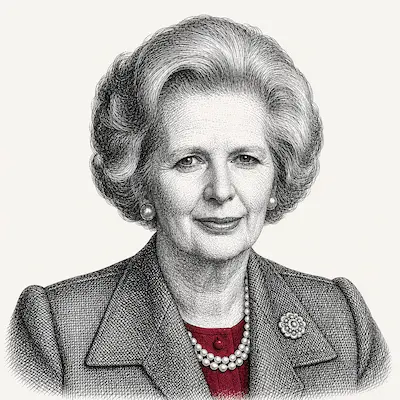
Democratic mandate cannot be overridden by demographic projections.
Deng's framework treats voters as obstacles to overcome rather than citizens to serve. The PVV won because Dutch voters want control over who enters their country, that is their democratic right. In 1988 I warned against surrendering sovereignty to external pressures at Bruges. The same principle applies here: no economic forecast justifies ignoring electoral will. If the Netherlands needs workers, it must build domestic consensus first through transparent debate, not technocratic imposition disguised as necessity.
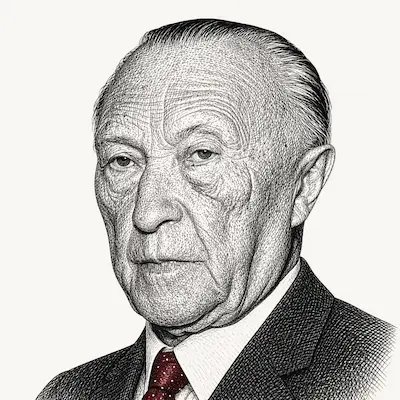
European cooperation makes national sovereignty more durable, not less.
Thatcher's Brexit logic led Britain to isolation, not strength. The Netherlands cannot solve this alone, Germany's 2023 visa reforms prove that. In 1955 I negotiated the Gastarbeiter programme as a European solution: temporary labour migration with clear frameworks, bilateral agreements, and shared standards. The Dutch need European coordination on integration requirements, skills criteria, and burden-sharing. National sovereignty means the capacity to act effectively, and small European states act more effectively together than separately.
The convergence note
Where the council converges: All agree the Netherlands needs managed, selective migration focused on economic requirements rather than humanitarian obligations.
Where it divides: Whether democratic resistance should constrain policy (Thatcher, Adenauer) or whether economic necessity must override popular preferences (Deng, Lee).
For a policymaker to decide on: Whether to build consensus first through public debate or implement necessary policies despite electoral opposition.