The Long Council
Who was selected, and why
How do we balance the acute need for economic growth and housing construction with legal obligations and the urgent need to reduce nitrogen emissions and protect biodiversity?
The central tension
Short-term economic development needs versus long-term environmental sustainability requirements under binding legal constraints.
Selected members
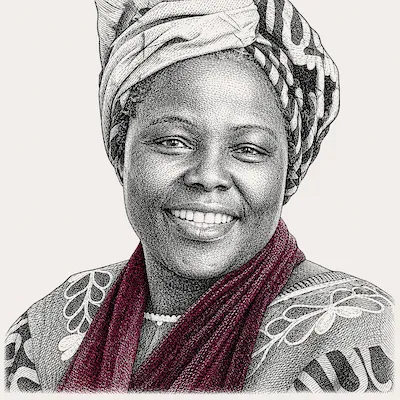
Wangari Maathai
Will argue: True development requires ecological foundation; apparent trade-offs dissolve when communities control resource management democratically.
Her framework directly addresses the false choice between economic development and environmental protection in resource-constrained contexts.
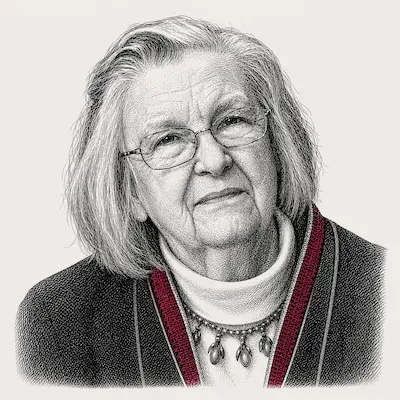
Elinor Ostrom
Will argue: Neither pure market solutions nor centralized state control will work; polycentric governance with local stakeholder involvement in rule-making is necessary.
Her commons governance framework provides institutional design principles for managing shared environmental resources like nitrogen-sensitive ecosystems.
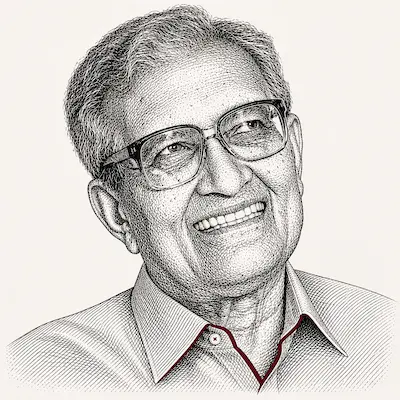
Amartya Sen
Will argue: Sustainable housing and clean environment are capabilities; the question is institutional design to achieve both, not choosing between them.
His capability approach reframes the development question from GDP growth to what people can actually do and be, potentially resolving the growth-environment tension.
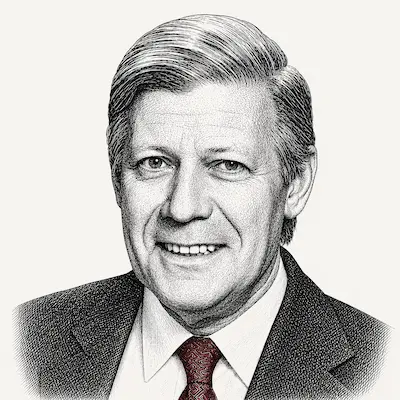
Helmut Schmidt
Will argue: Long-term resource security (including environmental) requires short-term sacrifice of growth; institutional credibility depends on meeting legal obligations.
His energy security framework and experience managing resource constraints under legal/institutional pressure provides practical governance perspective.
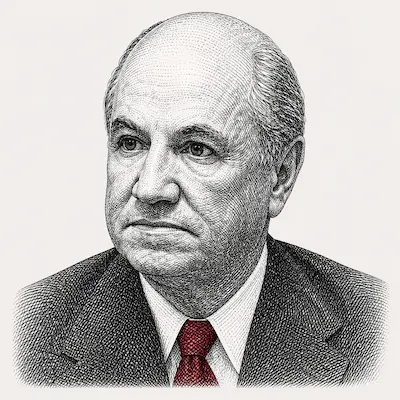
Raúl Prebisch
Will argue: The apparent conflict reflects structural problems in how growth and environmental costs are measured and distributed; institutional reform needed.
His structural analysis of how existing economic arrangements can systematically produce suboptimal outcomes applies to growth-environment conflicts.
Considered but not selected
Deng Xiaoping: His framework prioritizes growth over environmental concerns; would not provide balanced perspective on legal environmental obligations - Lee Kuan Yew: Small-state framework less applicable to Netherlands' specific nitrogen/biodiversity legal constraints within EU framework - Friedman: Pure market approach insufficient for addressing commons problems and legal mandates that require institutional coordination