The Long Council
Who was selected, and why
How can we solve an urgent problem like housing shortage?
The central tension
Market-driven development (relying on private investment and price signals to increase supply) versus state-directed intervention (using government resources and authority to directly provide or mandate housing provision).
The two poles
Market Solutions
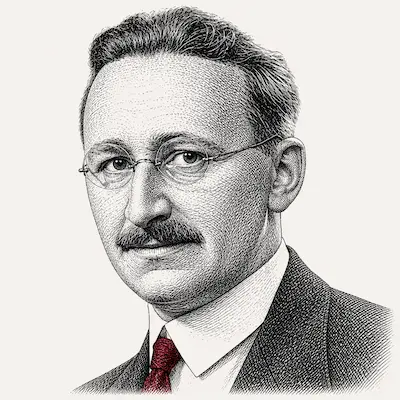 Friedrich Hayek
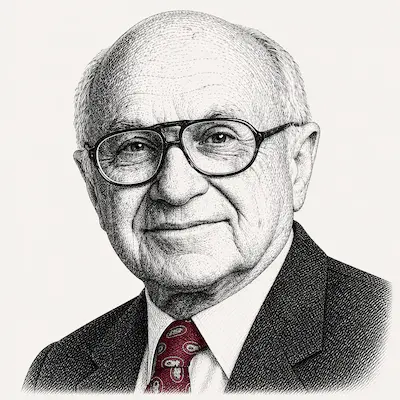 Friedman
State Intervention
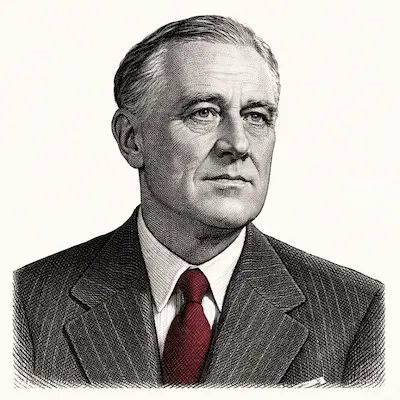 Franklin D. Roosevelt
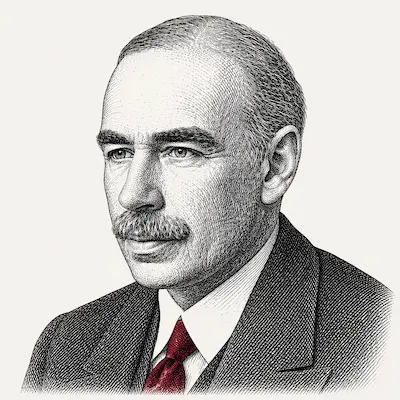 John Maynard Keynes
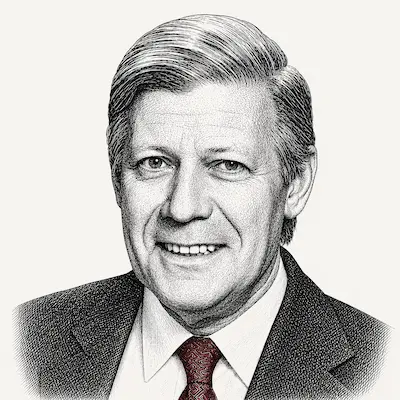 Helmut Schmidt
Selected members
Franklin D. Roosevelt
Will argue: Government must intervene directly in housing markets during crises, as market mechanisms alone cannot address urgent shortages at the scale and speed required
Successfully addressed the 1930s US housing crisis through federal intervention including public housing programs and mortgage guarantees
Friedrich Hayek
Will argue: Government intervention in housing creates distortions and prevents market mechanisms from efficiently allocating resources; deregulation and price signals will increase supply more effectively
His framework on spontaneous order and the knowledge problem directly applies to housing policy, markets aggregate dispersed information about housing needs better than central planning
John Maynard Keynes
Will argue: Housing shortages require government investment to break the cycle of insufficient supply; private markets under-invest in housing during uncertain conditions
Housing shortage represents a classic demand-supply gap that requires counter-cyclical government investment, especially when private investment is insufficient
Helmut Schmidt
Will argue: Housing policy requires long-term planning with fiscal discipline; government must invest strategically while maintaining financial credibility
Governed Germany during housing pressures and energy crises, with documented experience in managing resource constraints and infrastructure priorities under fiscal discipline
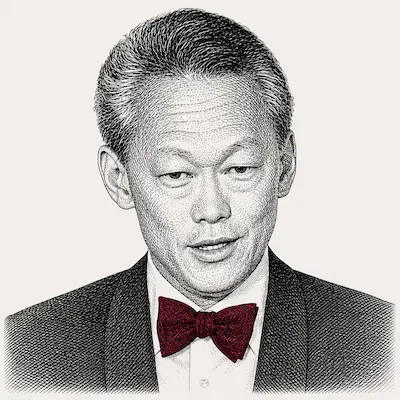
Lee Kuan Yew
Will argue: Government can solve housing shortages through direct provision combined with individual ownership; the key is long-term planning and quality execution
Singapore's Housing Development Board under LKY created one of the most successful public housing programs globally, housing 80%+ of the population
Considered but not selected
Margaret Thatcher: While her Right to Buy policy is relevant, her overall housing record includes reduced social housing stock, making her less suitable for addressing shortage - Ellen Johnson Sirleaf: Her post-conflict reconstruction experience is valuable but too specific to fragile state contexts - Deng Xiaoping: Chinese housing policy would be relevant but requires more extrapolation from his documented positions