The Long Council
Who was selected, and why
Is cutting a fuel deal with Russia a betrayal of Ukraine, or just realism?
The central tension
Should small, energy-dependent countries put their own cheap fuel and survival first, even if it funds the war against their neighbor?
Where they stand
Energy pragmatism and sovereignty
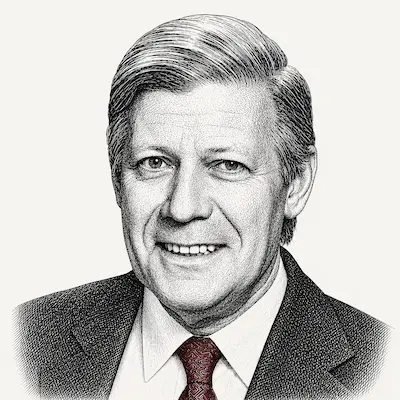 Helmut Schmidt
 Kautilya
Solidarity and sanctions discipline
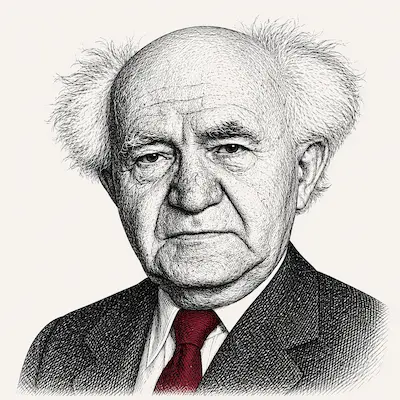 David Ben-Gurion
Structural diagnosis of dependency as the real trap
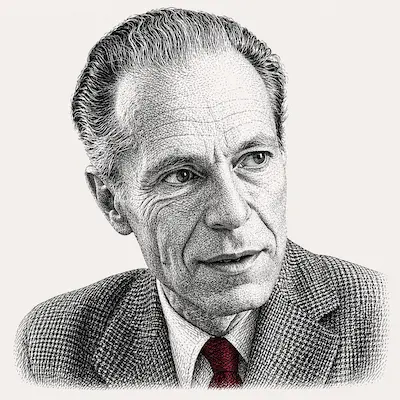 Albert O. Hirschman
swing/diagnostic voice)
Selected members
Helmut Schmidt
Will argue: Energy security must come first but dependency without diversification becomes a trap, so partial deals need strict limits.
He built German policy explicitly around the idea that energy interdependence with a geopolitical rival is a sovereignty question, not a moral one.
Kautilya
Will argue: A small state justifiably uses economic accommodation as one tool among several, judged purely by what strengthens its own position.
His mandala theory and statecraft framework directly address when a weaker or dependent state should ally, pressure, or accommodate a stronger neighboring power.
David Ben-Gurion
Will argue: Realism can justify deals with distasteful partners, but abandoning an ally under attack for cheap fuel corrodes the coalition's credibility and your own future security.
He is the council's sharpest documented voice on when pragmatic dealings with adversarial or distasteful powers are survival necessities versus betrayals of allies.
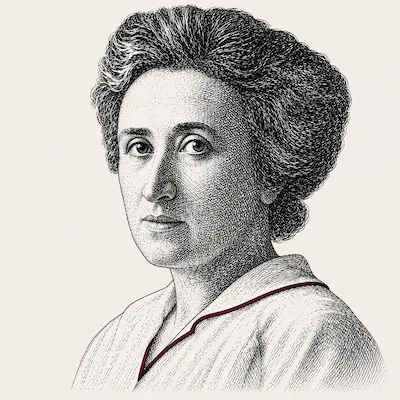
Rosa Luxemburg
Will argue: Continuing to buy Russian fuel is not neutral pragmatism, it materially sustains the war machine and is a structural betrayal of solidarity with Ukraine.
Her theory that capitalist and imperial competition over resources produces war provides the sharpest critique of treating energy trade with an aggressor as a neutral economic matter.
Albert O. Hirschman
Will argue: The real failure is the decades of pipeline dependency itself, and the current dilemma shows why irreversible infrastructure choices deserve more scrutiny before they are made.
His exit, voice, and loyalty framework and his work on irreversibility directly address whether countries can responsibly exit energy dependencies gradually versus being trapped by sunk infrastructure.
Considered but not selected
Margaret Thatcher: relevant on sovereignty and sanctions discipline but her documented record is Europe-and-Atlantic specific without direct engagement on this exact energy dependency question, risking overlap with Schmidt's stronger documented material. Deng Xiaoping, pragmatism over ideology is relevant in the abstract but his framework concerns domestic development sequencing, not third-party alliance behavior during an active war, so the fit is weaker than Kautilya's. Hannah Arendt, her work on legitimacy and power could speak to sanctions coalition credibility, but she has no documented position on energy policy or interstate economic dependency, making the application too extrapolated for this seat.