The Long Council
Who was selected, and why
Is entrepreneurship a better engine for African prosperity than state intervention?
The central tension
Private entrepreneurship and market-driven growth versus state-led industrial policy and public investment as development strategies.
The two poles
Market-led development
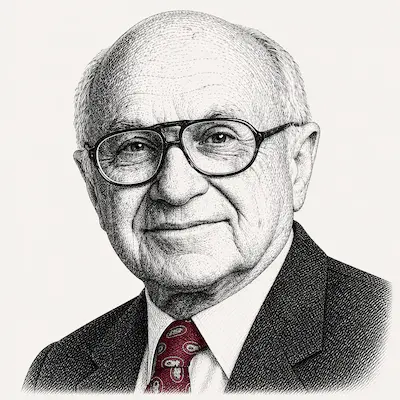 Milton Friedman
State-led development
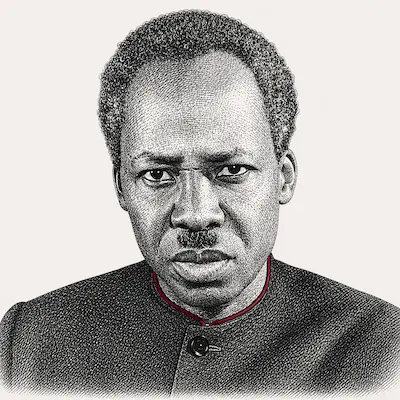 Julius Nyerere
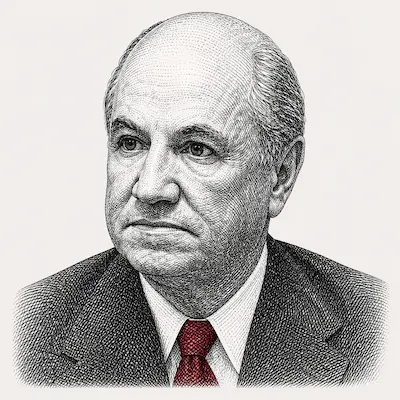 Raúl Prebisch
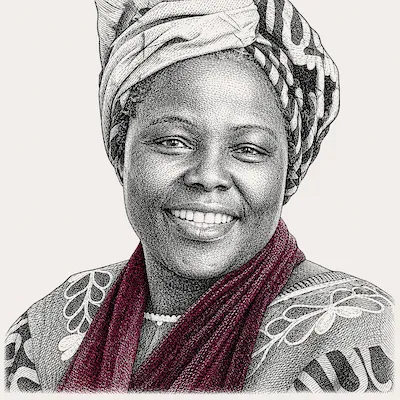 Wangari Maathai
Selected members
Julius Nyerere
Will argue: State intervention is necessary to address structural disadvantages but must avoid the documented failures of his own forced collectivisation approach
Documented practitioner of African state-led development through Ujamaa and self-reliance policies, with candid acknowledgment of failures
Milton Friedman
Will argue: Entrepreneurship and free markets are superior engines of prosperity, but must address his Chile experience and its human costs
Leading advocate for market mechanisms over state intervention, with documented positions on development economics
Raúl Prebisch
Will argue: African countries need strategic state intervention to overcome structural disadvantages in global trade, while acknowledging ISI's documented limitations
Founder of dependency theory with documented analysis of why free trade disadvantages developing countries
Wangari Maathai
Will argue: Neither pure entrepreneurship nor pure state intervention addresses Africa's core problem of democratic accountability and resource governance
African practitioner-theorist with documented critique of both authoritarian state and extractive market models
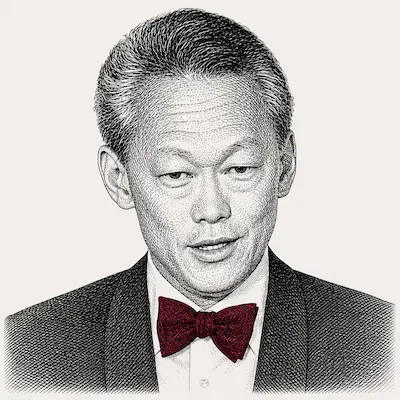
Lee Kuan Yew
Will argue: The optimal path combines state strategic direction with entrepreneurial execution, but will address whether his small city-state model applies to continental African contexts
Documented successful state-guided development model with strong entrepreneurial elements
Considered but not selected
Deng Xiaoping: His authoritarian development model lacks the democratic accountability that Maathai's framework identifies as essential for African contexts - Mahathir Mohamad, Similar to Deng but for middle-income Malaysia rather than post-colonial Africa; LKY covers the Asian developmental state perspective more directly - Ellen Johnson Sirleaf, Her post-conflict reconstruction experience is relevant but overlaps with the state intervention debate without adding a distinct analytical tradition