The Long Council
Who was selected, and why
Should social media be regulated in the EU?
The central tension
The fundamental conflict between protecting democratic discourse and individual privacy versus preserving platform innovation and free expression in digital spaces.
Selected members
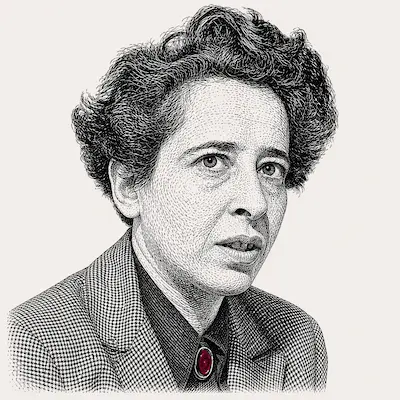
Hannah Arendt
Will argue: That social media regulation must focus on preserving genuine public spaces for political deliberation, as platforms currently fragment citizens into isolated bubbles that undermine democratic capacity.
Her analysis of how totalitarian movements destroy the public realm through the manipulation of truth and the atomization of citizens is directly applicable to social media's impact on democratic discourse.
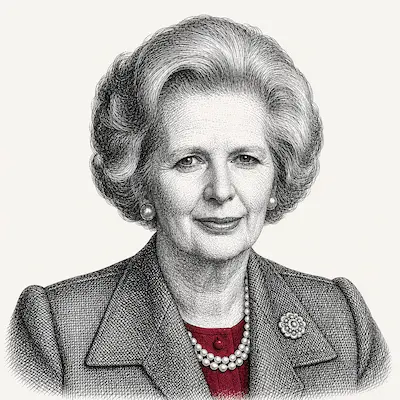
Margaret Thatcher
Will argue: That social media regulation represents dangerous EU overreach into both national sovereignty and market freedom, and that competitive markets will self-correct platform problems better than bureaucratic intervention.
As the architect of market-oriented governance who championed both economic freedom and national sovereignty, she provides the strongest framework for opposing comprehensive EU social media regulation.
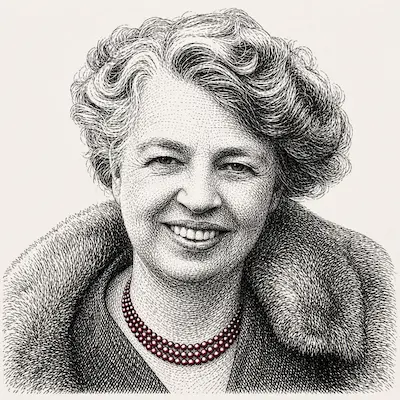
Eleanor Roosevelt
Will argue: That regulation must protect both individual privacy rights and the conditions for democratic participation, requiring careful institutional design that protects rights without stifling legitimate expression.
As the architect of international human rights frameworks, she brings essential analysis of how to balance individual rights protection with institutional authority in new domains.
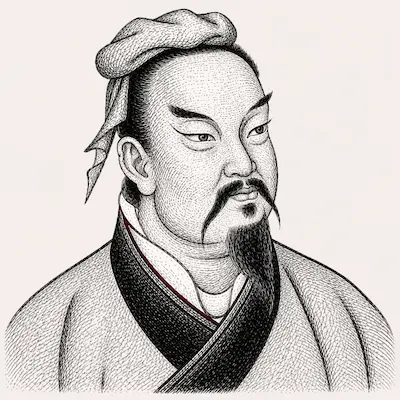
Sun Tzu
Will argue: That unregulated social media platforms are strategic vulnerabilities that hostile powers can exploit to destabilize democratic societies, requiring defensive regulation.
His framework on information warfare and the strategic manipulation of perception is directly relevant to how social media platforms become instruments of geopolitical competition.
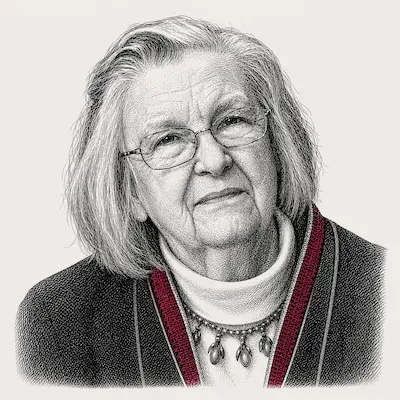
Elinor Ostrom
Will argue: That social media governance requires polycentric approaches combining platform self-regulation, user community governance, and targeted regulatory oversight rather than comprehensive top-down control.
Her analysis of how communities can successfully govern common pool resources without pure privatization or state control provides a framework for governing digital commons.
Considered but not selected
Hayek: Excluded because his framework assumes functioning market competition, but social media platforms operate as network monopolies where his spontaneous order arguments don't clearly apply.
Rawls: Excluded because this is primarily an institutional design question requiring practical governance experience rather than ideal theory about just institutions.
John Locke: Excluded because while relevant to free expression questions, his framework lacks the technological and institutional sophistication needed for digital platform governance.