The Long Council
Who was selected, and why
Does Israel have the right to build settlements in the West Bank?
The central tension
The conflict between Israel's security imperatives and demographic/strategic goals versus Palestinian territorial sovereignty and international legal frameworks prohibiting settlement in occupied territory.
Selected members
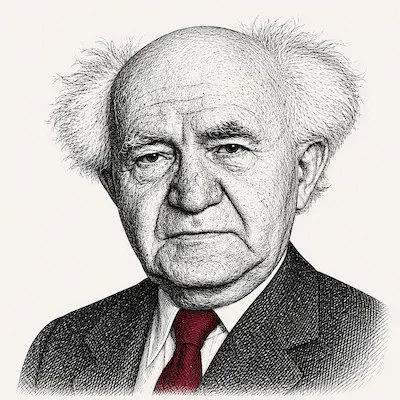
David Ben-Gurion
Will argue: Security requirements may justify territorial control when facing existential threat, but must balance strategic necessity against international legitimacy
Architect of Israeli state-building doctrine and strategic thinking on borders, security, and sovereignty

Eleanor Roosevelt
Will argue: International law prohibiting settlements must be upheld universally; rights violations cannot be justified by security concerns alone
Architect of international human rights law and the UN framework under which Resolution 2334 was passed
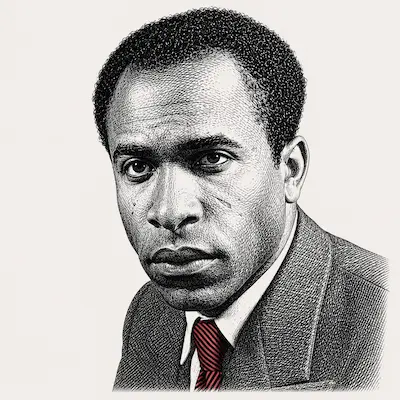
Frantz Fanon
Will argue: Settlement construction constitutes colonial domination that systematically destroys Palestinian political agency and must be opposed
Theorist of colonial settlement and its psychological/political effects on colonised populations
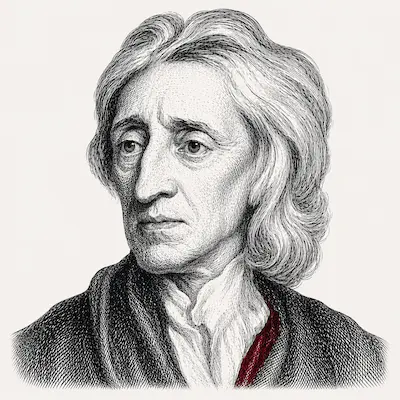
John Locke
Will argue: Property rights require legitimate acquisition and cannot be established through force against existing inhabitants' consent
Theorist of property rights, legitimate government authority, and the right of resistance

Niccolò Machiavelli
Will argue: Territorial expansion may serve state interests but risks creating permanent instability unless it can be legitimately consolidated
Analyst of state survival strategies and the relationship between power, legitimacy, and territorial control
Considered but not selected
Hannah Arendt: Strong on statelessness and rights, but her framework focuses more on totalitarianism and political community than territorial sovereignty - Jawaharlal Nehru: Post-colonial experience relevant, but his non-aligned framework less applicable to this direct territorial dispute - Kautilya: Strategic framework relevant, but ancient context requires too much extrapolation for modern international law questions