The Long Council
Who was selected, and why
Which global institutions should exist to prevent an arms race in dangerous technologies like AI?
The central tension
Whether effective technology governance requires supranational authority with enforcement power versus preserving national sovereignty over strategic technological capabilities.
Selected members
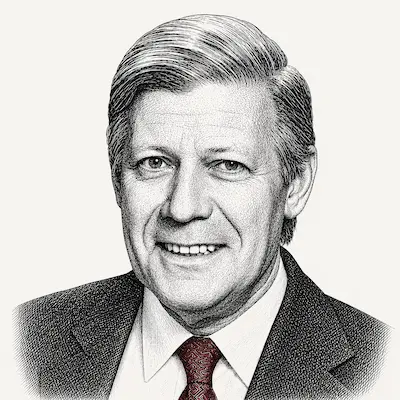
Helmut Schmidt
Will argue: Effective technology governance requires coalition-building among democracies first, not universal institutions that include authoritarian competitors
Managed nuclear proliferation and technology competition during the Cold War, with documented experience balancing alliance coordination with national sovereignty

Eleanor Roosevelt
Will argue: Universal institutions with moral authority are more durable than enforcement mechanisms, and technology governance must include all major powers to be effective
Architect of international human rights institutions who navigated great power competition while building universal frameworks
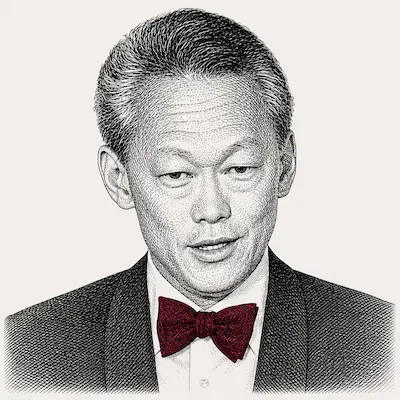
Lee Kuan Yew
Will argue: Small and medium powers need institutional frameworks that prevent technology becoming a tool of great power dominance, but enforcement must be realistic about power imbalances
Managed technology development and international competition as a small state dependent on maintaining access to advanced technology
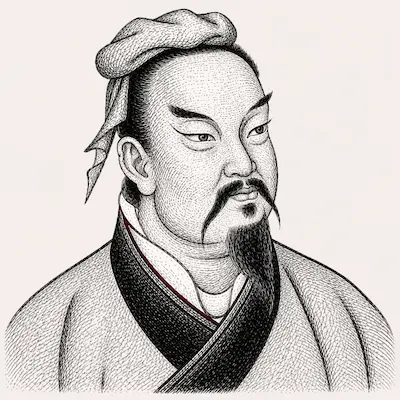
Sun Tzu
Will argue: Effective governance requires managing adversary perceptions and maintaining strategic ambiguity, not transparent enforcement mechanisms
Strategic framework for managing adversarial competition and preventing escalation through information management and strategic signaling

Elinor Ostrom
Will argue: Polycentric governance with multiple overlapping institutions at different scales is more robust than single global authority for technology governance
Theorist of collective action problems and polycentric governance for managing shared resources and common pool problems
Considered but not selected
Deng Xiaoping: Technology policy record too thin for this specific question - Konrad Adenauer: Nuclear-era experience relevant but framework too Atlanticist for global technology governance including China - Franklin D. Roosevelt: Institution-building experience relevant but technology governance requires different framework than post-war economic institutions