The Long Council
Who was selected, and why
As China prospers, will its population demand democracy or greater freedoms?
The central tension
[Whether economic development inevitably produces pressure for political liberalization or whether authoritarian systems can deliver prosperity while maintaining political control]
Selected members
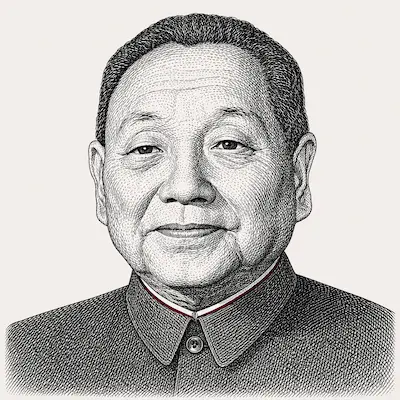
Deng Xiaoping
Will argue: Economic development strengthens rather than weakens party legitimacy; political stability is a precondition for continued prosperity, not its inevitable consequence
Architect of China's reform model explicitly designed to deliver economic growth while maintaining Communist Party political control
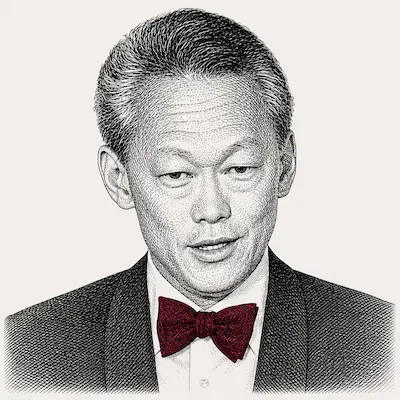
Lee Kuan Yew
Will argue: Different societies require different governance models; economic success validates political arrangements regardless of their conformity to Western democratic norms
Developed and defended the most successful alternative to the Western democratic development model, explicitly rejecting the premise that prosperity requires democracy
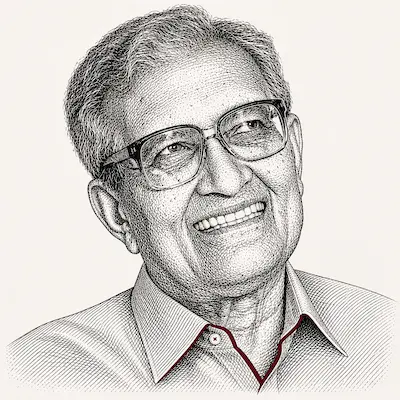
Amartya Sen
Will argue: Economic development without political freedom is incomplete development; democratic participation is both a means to and an end of human flourishing
Nobel economist whose capability approach and analysis of development as freedom directly challenges authoritarian development models
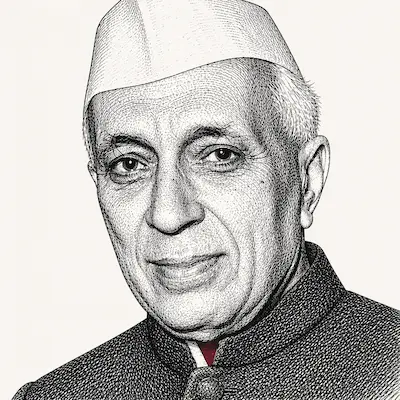
Jawaharlal Nehru
Will argue: Democracy enhances rather than constrains development by improving policy quality through accountability; China's model is unsustainable without democratic legitimacy
Led the world's largest democracy through its founding decades, explicitly choosing democratic institutions as compatible with rapid development in a poor, diverse society
Tocqueville
Will argue: Economic development inevitably produces educated middle classes who demand political participation; authoritarian modernization contains the seeds of its own political transformation
Theorist of how prosperity and social change interact with demands for political participation and equality
Considered but not selected
Sun Tzu: His framework addresses strategic competition but not domestic political legitimacy or development theory - Confucius: While relevant to Chinese governance traditions, his framework predates modern questions of economic development and democratic participation - Roosevelt: His experience is with democratic responses to economic crisis rather than authoritarian development models