The Long Council
Who was selected, and why
Should Taiwan aggressively strengthen their military capabilities in order to fend off China?
The central tension
Whether deterrence through military strength reduces conflict probability or whether military buildups provoke the escalation they seek to prevent.
Selected members
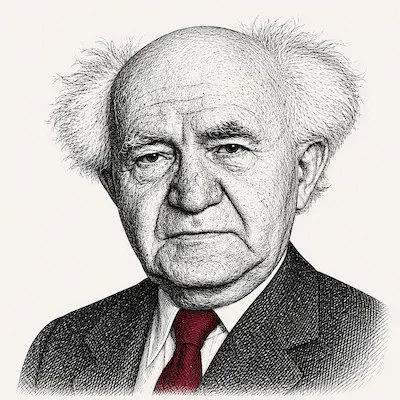
David Ben-Gurion
Will argue: Taiwan must build credible deterrent capability while seeking external security guarantees, as survival trumps concerns about provocation
Architect of Israeli security doctrine for a small state under existential threat from larger hostile neighbors
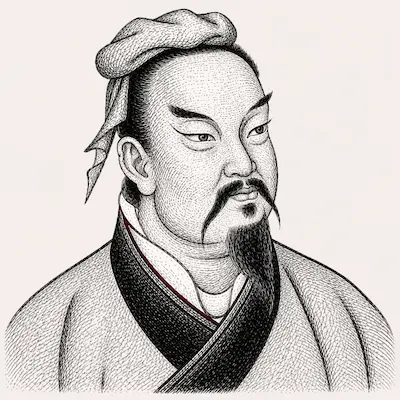
Sun Tzu
Will argue: Military strength must be coupled with strategic ambiguity and intelligence capabilities; deterrence requires credible force but victory requires avoiding the fight entirely
Strategic theorist on deterrence, perception management, and asymmetric positioning against superior force
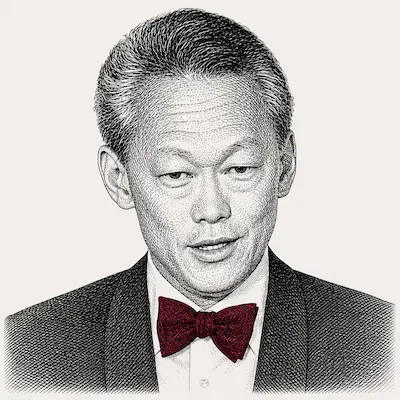
Lee Kuan Yew
Will argue: Military capability necessary but insufficient; Taiwan must simultaneously build deterrence and economic/technological indispensability to both US and global economy
Singapore's model of small-state survival through strategic utility to multiple great powers while maintaining defensive capability
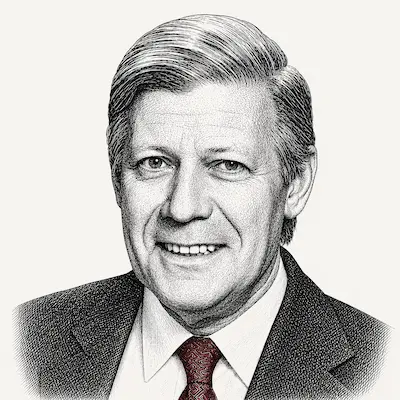
Helmut Schmidt
Will argue: Military buildup must be embedded in credible alliance framework; unilateral deterrence by small state against superpower is inherently unstable
NATO double-track decision architect who balanced deterrence with alliance management under Soviet pressure
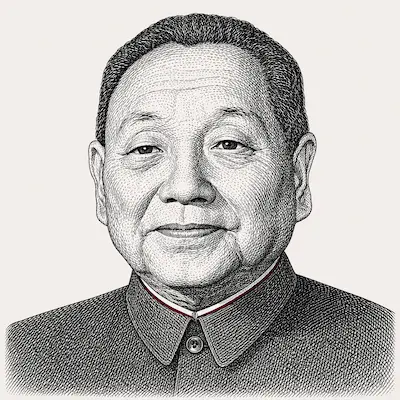
Deng Xiaoping
Will argue: Military escalation serves no one's interests; economic integration and strategic patience more effective than confrontation
Chinese strategic perspective on Taiwan question and gradual approach to territorial reunification
Considered but not selected
Kautilya: His mandala theory relevant but lacks modern great power context - Thatcher, Falklands experience with territorial defense but insufficient Asian geopolitical context - Machiavelli, Strategic principles applicable but framework too general for specific military-technical questions