The Long Council
Who was selected, and why
Should China take control of Taiwan by military force?
The central tension
Strategic necessity versus catastrophic risk, whether achieving political objectives through force justifies the enormous military, economic, and human costs versus finding alternative pathways that preserve core interests without devastating consequences.
Selected members
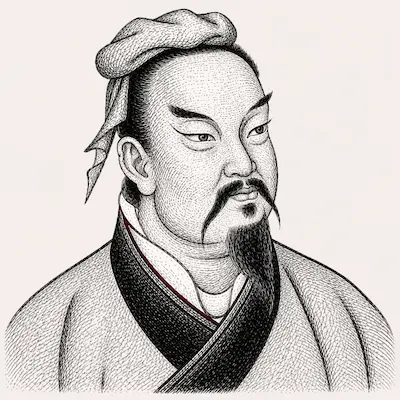
Sun Tzu
Will argue: That military action should only be considered if political objectives cannot be achieved through other means, and that the costs of invasion likely outweigh the benefits
The foundational strategic theorist on when force achieves objectives and when it destroys them
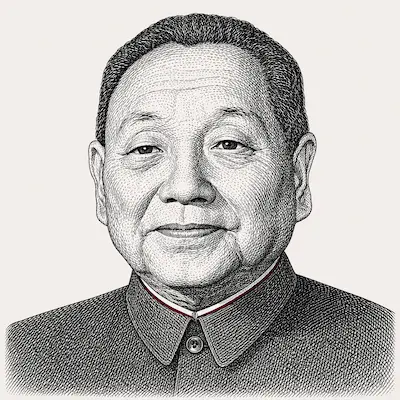
Deng Xiaoping
Will argue: That China should focus on internal development and long-term strategic positioning rather than premature military action that could derail China's rise
Architect of modern China's strategic doctrine including "hide your strength, bide your time" and the One China policy framework
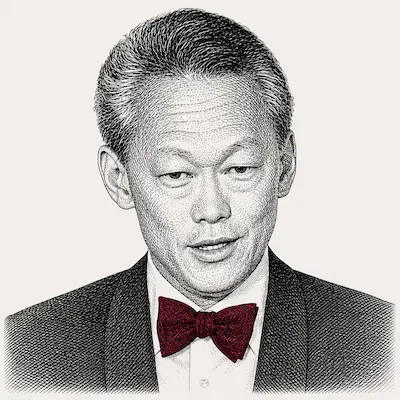
Lee Kuan Yew
Will argue: That military action would destabilize the entire region and force other Asian states to choose sides, ultimately weakening China's position
Small state survival strategist with deep understanding of US-China competition and regional stability dynamics
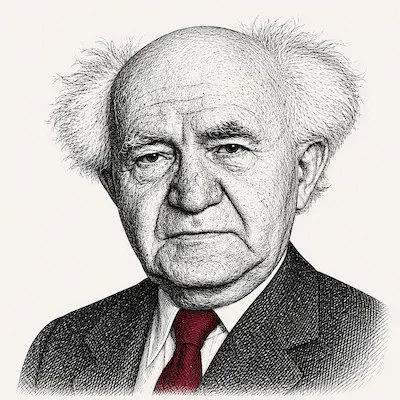
David Ben-Gurion
Will argue: That while security imperatives are paramount, successful state-building requires international legitimacy that military aggression would destroy
Practitioner experience in existential conflict, state-building under threat, and the relationship between military capability and diplomatic legitimacy
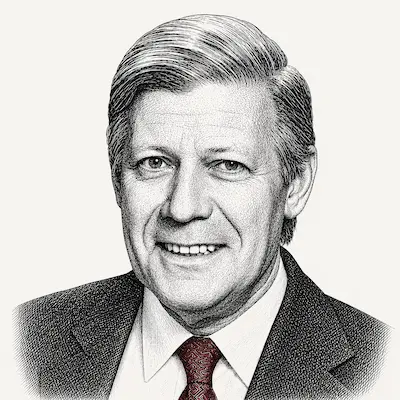
Helmut Schmidt
Will argue: That the interconnected nature of modern economies makes military conflict economically catastrophic for all parties, requiring diplomatic solutions
Crisis management expert who navigated great power competition while maintaining alliance relationships and economic interdependence
Considered but not selected
Xi Jinping: Not included in the council roster as a living leader - Henry Kissinger: Would provide balance on great power realism but his framework overlaps substantially with Schmidt's crisis management approach - Thatcher: Her experience is primarily with middle-power projection rather than great power territorial disputes