The Long Council
Who was selected, and why
Who should bear the main cost of climate disaster recovery?
The central tension
Should the people who caused climate damage and profit from fixing it pay for recovery, or should costs be spread more broadly through states and markets?
The two poles
Polluter pays and wealth taxation
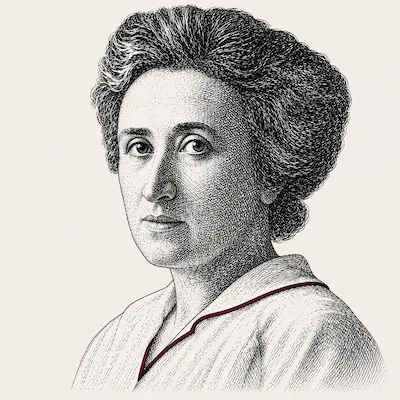 Rosa Luxemburg
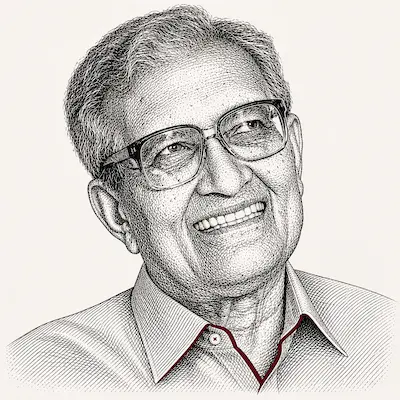 Amartya Sen
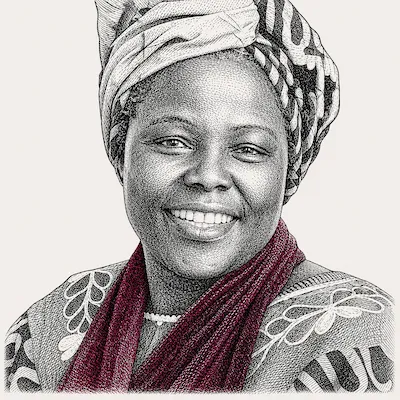 Wangari Maathai
Market-based and state-fiscal distribution
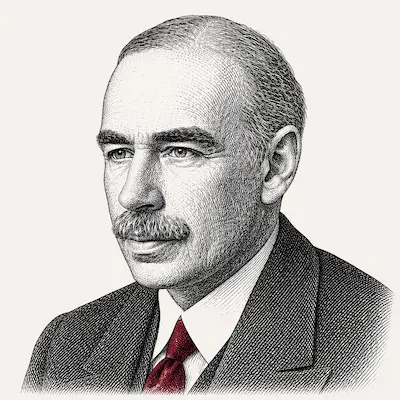 John Maynard Keynes
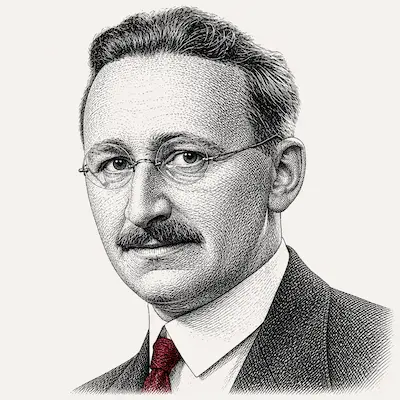 Friedrich Hayek
Selected members
Amartya Sen
Will argue: Climate deaths among the poor are an entitlement failure that rich emitters have a direct obligation to correct.
Sen's capability framework and entitlement theory directly test whether climate deaths and disaster losses are failures of distribution, not just scarcity.
Rosa Luxemburg
Will argue: Disaster recovery markets prove capital reproduces itself by monetizing the very destruction it causes, requiring structural not charitable correction.
Her theory of capital accumulation and crisis explains why profiting from both causing and repairing disaster is not an aberration but capitalism's structural logic.
Wangari Maathai
Will argue: Recovery financing that bypasses democratic accountability in affected communities will reproduce extraction under a green label.
Her framework ties environmental harm, democratic accountability and Global South governance directly to who bears climate costs in practice.
John Maynard Keynes
Will argue: Recovery costs should be managed through international risk-pooling and fiscal mechanisms, not moralized as individual guilt.
His insurance-under-uncertainty logic and international architecture work speak directly to how recovery costs should be structurally distributed and financed.
Friedrich Hayek
Will argue: Taxing the wealthy to fund recovery is defensible as a floor but centrally earmarking blame-based climate reparations risks poor targeting and unintended harm.
His knowledge problem and spontaneous order arguments challenge whether a targeted "who pays" mandate can be centrally designed without distorting incentives and investment.
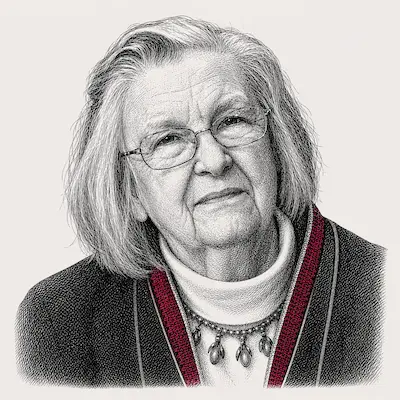
Elinor Ostrom
Will argue: No single payer design works at this scale; durable solutions require nested, polycentric institutions that include affected communities, not only global wealth taxes.
Climate is the paradigm global commons problem and Oxfam's framing of who profits from both harm and repair is precisely a collective-action design question.
Considered but not selected
Milton Friedman: would largely duplicate Hayek's market-skepticism pole without adding a distinct line of reasoning on this specific question. Franklin D. Roosevelt, his crisis-state-intervention framework is relevant but Keynes already covers the insurance/redistribution-through-institutions position with more direct applicability. Ellen Johnson Sirleaf, strong on post-disaster reconstruction practice but the article's claim is about global wealth and emissions distribution, not post-conflict state-building specifically; she would add a case but not a new pole.