The Long Council
Who was selected, and why
How can Australia resolve the issue of indigenous poverty and elevate indigenous culture as a proud emblem of Australian identity?
The central tension
Whether indigenous advancement requires transformative state intervention and cultural restructuring versus whether it can be achieved through existing institutional frameworks without fundamentally challenging settler colonial structures.
Selected members
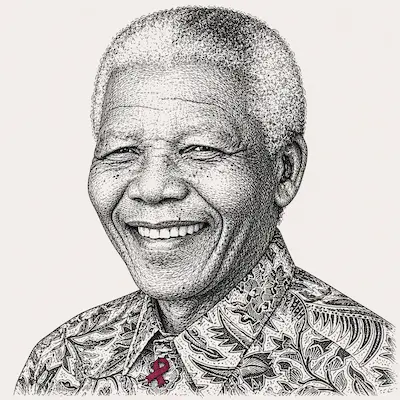
Nelson Mandela
Will argue: That reconciliation requires symbolic transformation alongside material redistribution, and that inclusive national identity must actively incorporate previously marginalised cultures as central, not peripheral, to national legitimacy.
The most complete documented case of transforming racial hierarchy into inclusive national identity while maintaining institutional stability.
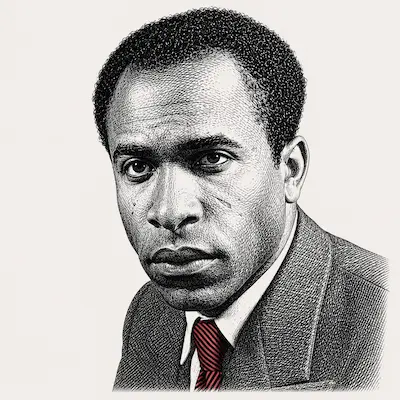
Frantz Fanon
Will argue: That indigenous poverty is not a welfare problem but a structural consequence of ongoing colonial relationships, and that cultural recognition without economic decolonisation transfers symbolic power while maintaining material extraction.
The essential voice on how colonial structures reproduce psychological and material disadvantage, and why institutional transplants fail without addressing structural inheritance.
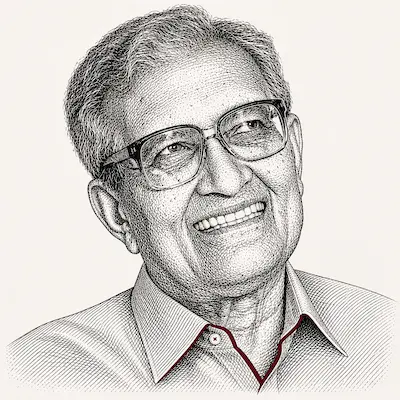
Amartya Sen
Will argue: That indigenous advancement requires expanding capabilities, health, education, political participation, cultural expression, and that cultural recognition is itself a capability essential to human flourishing, not separate from material development.
Provides the capability framework for understanding indigenous disadvantage as deprivation of substantive freedoms, not merely income inequality.
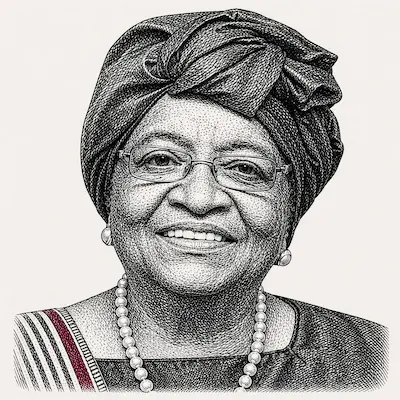
Ellen Johnson Sirleaf
Will argue: That transformation requires acknowledging historical harm without allowing accountability processes to paralyse institutional function, and that external frameworks (UN Declaration on Rights of Indigenous Peoples) must be adapted to specific national contexts, not imposed wholesale.
Documented experience of post-conflict reconstruction that required balancing historical accountability with institutional stability, and managing external pressure while building local legitimacy.
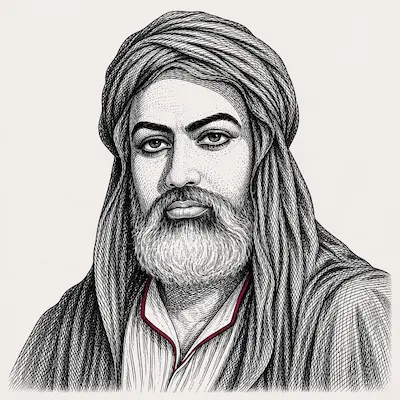
Ibn Khaldun
Will argue: That indigenous cultural strength is not an obstacle to integration but a precondition for it, that policies which strengthen indigenous asabiyya (cultural cohesion) will be more effective than policies that require its dissolution as the price of inclusion.
His asabiyya framework explains how group cohesion and cultural identity relate to political power, and why policies that weaken group solidarity often fail to achieve their redistributive goals.
Considered but not selected
John Rawls: His justice framework is relevant to redistributive questions but his ideal theory approach is poorly equipped for addressing historical injustice and cultural recognition in non-ideal conditions. - Lee Kuan Yew: His multicultural management framework is relevant but his documented approach emphasises assimilation over cultural preservation, making him the counter-argument rather than the constructive voice. - Mustafa Kemal Atatürk: His documented approach to cultural transformation was top-down and assimilationist, which would contradict rather than advance indigenous cultural elevation.