The Long Council
Who was selected, and why
Should societies celebrate cultural differences, or require newcomers to assimilate?
The central tension
Multicultural recognition versus assimilationist integration, whether diverse societies thrive by celebrating and accommodating cultural differences or by requiring newcomers to adopt shared civic and cultural standards.
The two poles
Multiculturalism
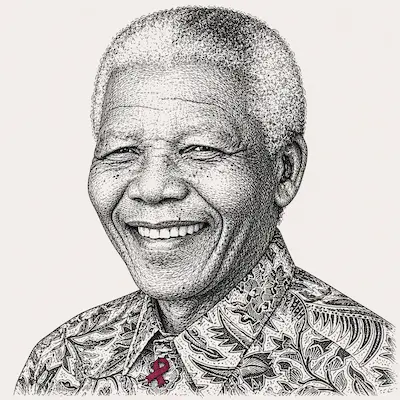 Nelson Mandela
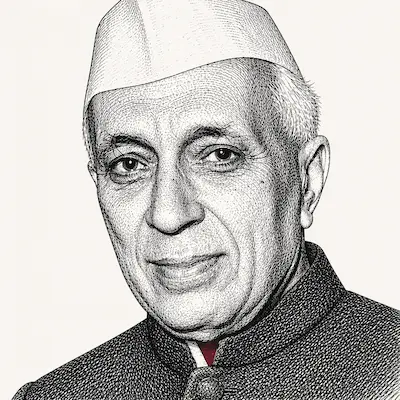 Jawaharlal Nehru
Assimilation
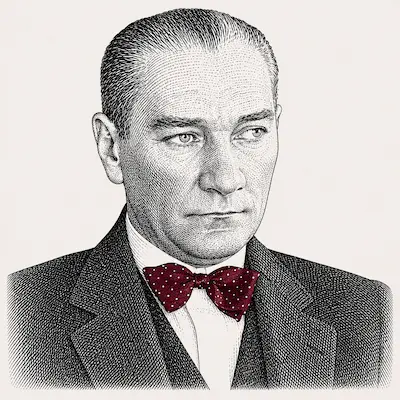 Mustafa Kemal Atatürk
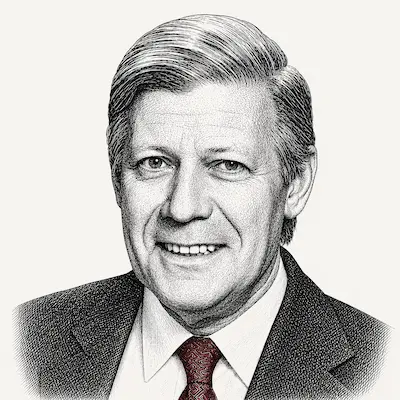 Helmut Schmidt
Selected members
Mustafa Kemal Atatürk
Will argue: That rapid cultural transformation is necessary when traditional arrangements prevent national cohesion and development; gradual accommodation preserves divisions that must be overcome
The most radical documented case of imposed cultural transformation, replacing Islamic/Ottoman identity with secular Turkish nationalism
Nelson Mandela
Will argue: That legitimacy requires inclusion and that societies are stronger when they accommodate rather than eliminate cultural differences
Architect of post-apartheid South Africa's "rainbow nation" model celebrating diversity within shared institutions
Jawaharlal Nehru
Will argue: That secular institutions can unite diverse populations without requiring cultural homogenisation
Managed India's extraordinary linguistic and religious diversity through secular pluralism while building national identity
Helmut Schmidt
Will argue: That successful integration requires newcomers to accept core civic values and that cultural relativism undermines social cohesion
His late-career statements about multiculturalism's failure and concerns about Muslim integration represent pragmatic European skepticism
Considered but not selected
Eleanor Roosevelt: Her human rights framework addresses universal dignity but not the specific tension between cultural difference and civic unity Lee Kuan Yew, His managed multiculturalism in Singapore is relevant but his framework assumes state control over cultural expression rather than addressing voluntary integration Confucius, His emphasis on social harmony and cultural transmission is relevant but his framework predates modern immigration and voluntary cultural contact