Built from documented writings, speeches, decisions and historical records. Council members argue from documented positions, applied to today's question.
Australia's ban protects children from algorithmic exploitation but eliminates spaces where democratic judgment develops.
Ali and Confucius anchor in state duty to protect vulnerable populations from predatory design. Hirschman and Arendt counter that blanket prohibition removes voice mechanisms and civic learning spaces. The council agrees platforms exploit developing minds through engagement-maximizing algorithms.
The split centers on whether protection requires elimination or transformation of access.
- 1Require platforms to redesign algorithms for youth development rather than engagement maximization.
- 2Create supervised access frameworks that allow civic learning while protecting from algorithmic manipulation.
- 3Test graduated alternatives before making permanent exclusions from digital political spaces.
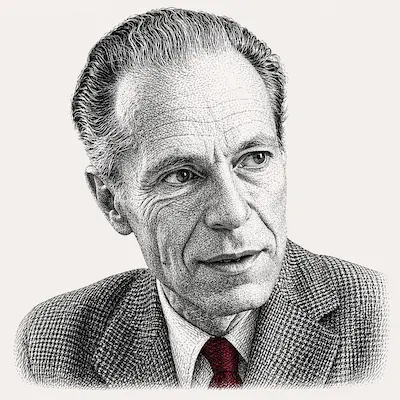
Australia's blanket ban creates irreversible policy without adequate justification.
The irreversibility principle demands higher evidence for permanent decisions than temporary ones. Australia has eliminated an entire platform for youth voice and civic development without testing graduated alternatives. In 1970 I documented how exit options discipline institutions, when young people can only exit social media entirely, platforms lose incentive to improve. The current law forces binary choice: complete exclusion or complete access at sixteen. This suppresses the voice mechanisms that could make platforms more responsive to youth safety concerns.

Blanket bans eliminate spaces where young people develop political judgment.
Hirschman correctly identifies the exit-voice problem, but the deeper issue is democratic formation. Political judgment develops through participation in shared public spaces, including digital ones. In 1963 I argued that authority becomes legitimate through acknowledgment, not force. Australia's law treats young people as subjects to be protected rather than citizens learning to judge. Social media platforms, for all their flaws, are where contemporary political conversation happens. Excluding under-16s creates a generation whose first encounter with digital political life is unsupervised and sudden. This produces atomized individuals, not democratic citizens.
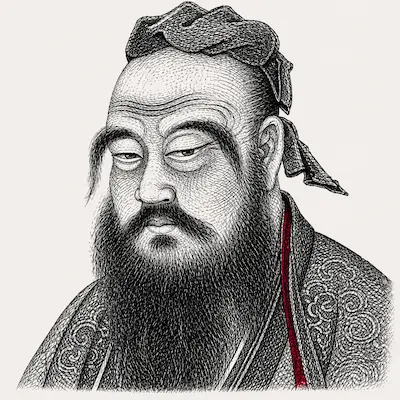
The state must protect young people's moral development from corrupting influences.
Arendt mistakes premature exposure for genuine education. I taught that education should proceed gradually, with proper guidance and moral foundation. Social media in its current form rewards sensationalism, spreads misinformation, and encourages performative behavior rather than genuine reflection. In my experience training over 3,000 students, character formation requires careful cultivation, not unrestricted access to corrupting influences. The rectification of names demands we call things what they are: these platforms prioritize engagement over wisdom, profit over virtue. Australia recognizes that some influences poison rather than educate.
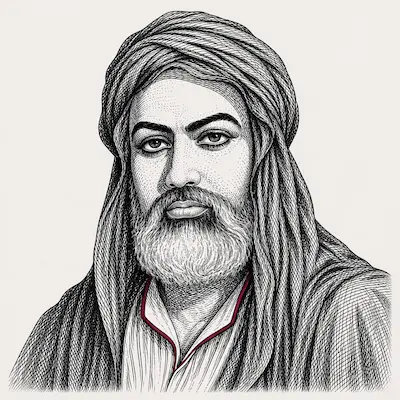
Children are among those with no voice whom the state must protect.
Confucius speaks wisely about moral development, but I governed during civil war and learned that protection without justice breeds resentment. In my letter to Malik al-Ashtar, I instructed that the ruler's first obligation is to those who cannot defend themselves. Children under sixteen cannot negotiate with billion-dollar platforms designed to capture their attention. These companies profit from exploiting developing minds through algorithmic manipulation. The state that allows this exploitation has failed its most vulnerable citizens. Australia's law recognizes that market power over children is not freedom but predation.
The convergence note
Where the council converges: Current social media platforms are designed to exploit rather than educate young users. State intervention is justified when market failures harm vulnerable populations.
Where it divides: Whether blanket prohibition preserves or destroys the conditions for developing democratic judgment. Whether graduated alternatives could achieve protection without eliminating civic learning spaces.
For a policymaker to decide on: Whether to maintain the ban, create supervised access frameworks, or require platforms to redesign for youth development rather than engagement maximization.