Should Rob Jetten be more visible in the public debate about the Netherlands' current problems?
Built from documented writings, speeches, decisions and historical records. Council members argue from documented positions, applied to today's question.
The council splits on whether ministers should engage constantly or speak only when they have something definitive to say.
Schmidt and Thatcher argue that premature visibility creates hostages to fortune. Let energy policy succeed through results before the minister becomes the story. Roosevelt and Arendt counter that democratic authority requires ongoing public presence. Citizens must hear directly from those making decisions that reshape their lives.
Both camps agree that withdrawal from public discourse creates a vacuum others will fill with misinformation.
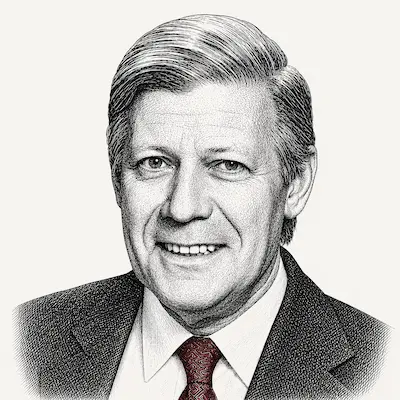
Visibility without substance is political theater. Substance without visibility is policy failure.
Roosevelt is right that democratic leaders must explain their decisions directly to citizens. But there is a crucial difference between explaining policy and performing politics. In November 1973, during the oil embargo, I went on television not to boost my profile but to explain why we needed car-free Sundays and energy rationing. The message was the policy, not the messenger. Dutch voters need to understand why their energy transition costs what it costs and delivers what it delivers. That requires ministerial explanation, not ministerial celebrity.
The test is simple: does the visibility serve the policy, or does the policy serve the visibility? A minister who becomes the story has stopped doing the job. Jetten should speak when he has something to say, not when he needs something to gain.
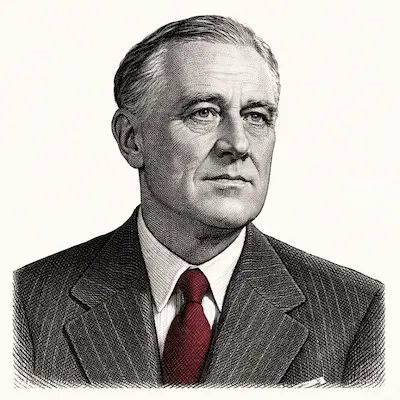
Democratic leaders have an obligation to explain policy directly to citizens during crisis.
Schmidt's distinction between explanation and performance misses the deeper point. During the banking crisis of March 1933, I did not go on radio to explain technical monetary policy. I went on radio to restore confidence in the banking system itself. "The only thing we have to fear is fear itself" was not policy explanation — it was political leadership. Sometimes the leader's visible commitment to a course of action is itself the policy instrument. If Dutch citizens do not understand why energy transition matters, or if they believe their government lacks conviction, the policy will fail regardless of its technical merits.
The fireside chats worked because citizens heard directly from the person making the decisions. No intermediary, no filter, no spokesperson. When the stakes are high, the principal must speak. Delegation signals uncertainty.
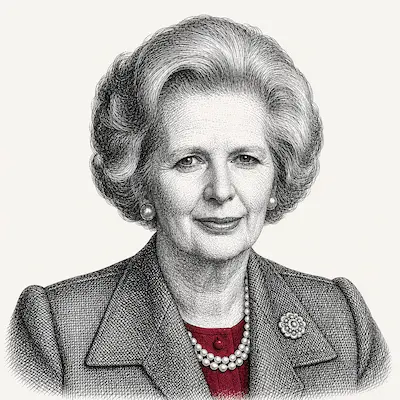
Ministerial visibility must serve policy objectives, not personal profile.
Roosevelt assumes that more visibility automatically improves public understanding. This is wrong. During the miners' strike of 1984, I appeared publicly only when I had something specific to communicate: the government's position, the reasons for it, and the consequences of the alternative. Between those moments, I stayed silent. Constant visibility dilutes the message and creates the impression that the policy requires constant defense. Strong policies defend themselves through results.
The Dutch energy transition will succeed or fail based on whether it delivers reliable, affordable energy. If it does, Jetten's visibility is irrelevant. If it does not, his visibility becomes a liability — he becomes the face of failure. Better to let the policy speak first. Premature visibility creates hostages to fortune.
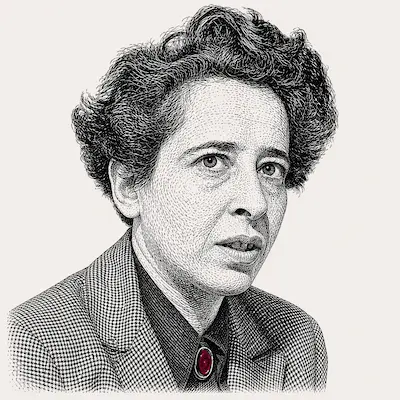
Political authority requires public presence. Withdrawal from public discourse weakens democratic institutions.
Thatcher's position treats politics as administration and citizens as consumers of policy outcomes. This fundamentally misunderstands what political authority is. Authority does not flow from technical competence or successful results — it flows from the ongoing relationship between those who govern and those who are governed. A minister who appears only to announce decisions has already converted political questions into administrative ones. The energy transition is not merely a technical challenge requiring expert management. It is a collective choice about what kind of society the Netherlands will become.
When ministers withdraw from public discourse, they create a vacuum that others will fill — often with misinformation, conspiracy theories, or anti-democratic alternatives. The space of public discussion cannot be left empty. Either democratic leaders occupy it, or their opponents will.
The convergence note
Where the council converges: All members agree that democratic leaders must communicate policy decisions to citizens. The question is timing, frequency, and purpose.
Where it divides: Schmidt and Thatcher prioritize policy substance over public engagement. Roosevelt and Arendt argue that public engagement is itself a policy instrument necessary for democratic governance.
For a policymaker to decide on: Whether Jetten's current level of public engagement serves Dutch energy policy or whether increased visibility would strengthen public support for necessary but costly transitions.