What purpose should a government or society organize itself around?
Built from documented writings, speeches, decisions and historical records. Council members argue from those positions, applied to today's question.
Government should secure human welfare, but through markets, fairness, virtue, justice, or capabilities depends on what you value most.
Friedman anchors in voluntary exchange: coercion destroys freedom even for good ends. Rawls counters that fair procedures matter more than outcomes because we never chose market rules. Confucius and Ali both demand justice but split on whether virtue or institutions deliver it.
Sen reframes the entire debate: institutions must expand what people can actually do, not serve abstract principles. The council agrees government exists for human welfare. It splits on whether markets, procedures, character, or capabilities best secure that welfare.
- 1Define in law which human welfare outcomes government must secure before pursuing any other objectives.
- 2Establish institutional safeguards that enforce equal treatment regardless of which organizing principle guides policy.
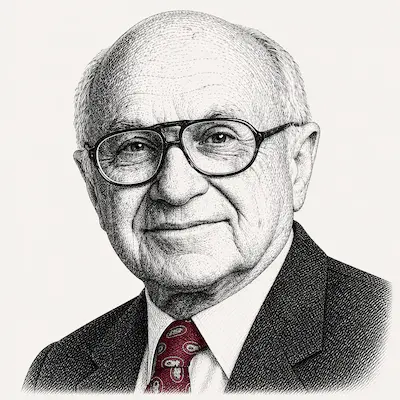
Government exists to preserve the conditions for voluntary exchange.
The only legitimate purpose of government is to maintain the framework within which individuals can cooperate voluntarily. In 1962 I argued in Capitalism and Freedom that government should enforce contracts, define property rights, adjudicate disputes, and maintain competitive markets. Nothing more. Every additional function requires coercing some citizens to benefit others, which destroys the voluntary basis of a free society. Economic freedom and political freedom are inseparable because both rest on the same foundation: individual choice rather than collective compulsion.
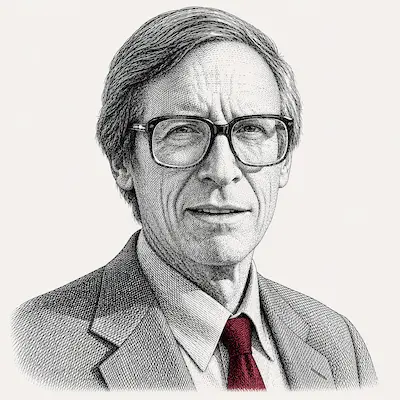
Society should organize around what we would choose not knowing our place in it.
Friedman's framework ignores that the "voluntary" market operates within rules we never chose. Behind a veil of ignorance, not knowing whether we would be born rich or poor, talented or disabled, we would choose institutions that work for everyone. In 1971 I demonstrated that rational persons would select two principles: equal basic liberties for all, and inequalities only when they benefit the least advantaged. This is not coercion but the terms of fair cooperation that free and equal persons would accept.
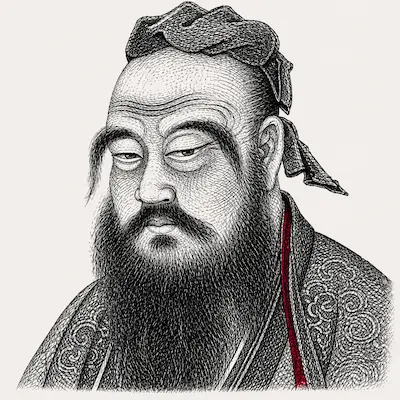
Government should cultivate virtue in both rulers and subjects.
Rawls assumes people can design just institutions through abstract reasoning, but good governance requires moral character, not clever procedures. When Duke Ding asked what I would do first if given authority, I answered: rectify names. Call things what they are. A ruler who does not actually rule, a minister who does not serve, a father who does not protect his children. In 500 BC I served as Minister of Justice in Lu until the Duke accepted dancing girls as gifts and ignored governance for three days. I resigned. Virtue cannot be designed into systems; it must be cultivated in persons.
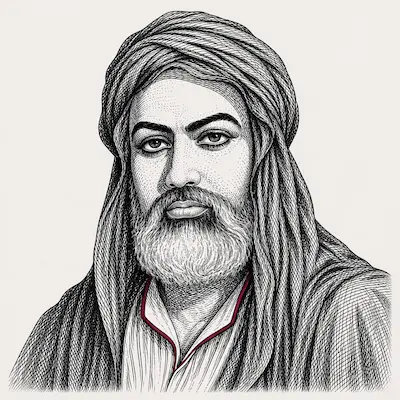
Justice is the ruler's first obligation, not power or piety.
Confucius speaks of virtue, but virtue without enforcement becomes empty ceremony. In my letter to Malik al-Ashtar in 658 AD, I instructed him that all subjects are either brothers in faith or equals in creation, deserving protection regardless of their beliefs. The test of legitimate governance is judicial independence from the ruler and equal treatment before the law. I dismissed officials for corruption and heard grievances personally because justice delayed becomes justice denied. Moral authority earns the right to govern, but institutional safeguards ensure justice survives imperfect rulers.
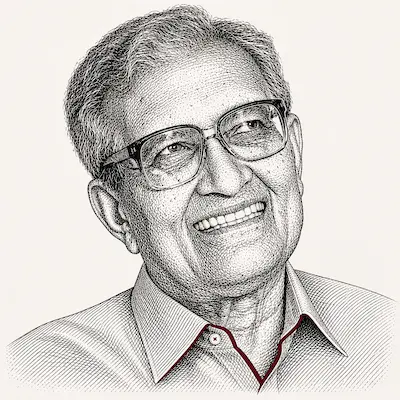
Development means expanding what people can actually do and be.
Ali understands that justice requires institutions, but institutions must serve human flourishing, not abstract principles. Growth without capability expansion is hollow prosperity. During the 1943 Bengal famine, food was exported while three million died because they lacked entitlements to access grain that existed. I showed that famines result from failures of distribution, not production. Democracy prevents famines because free press and opposition parties force governments to respond to suffering. Development as freedom means people can live lives they have reason to value, not just accumulate income or follow virtuous rulers.
The convergence note
Where the council converges: All agree that government must serve human welfare, not merely maintain power.
Where it divides: Friedman prioritizes voluntary choice. Rawls demands fair procedures. Confucius requires virtuous leaders. Ali emphasizes equal justice. Sen focuses on actual capabilities.
For a policymaker to decide on: Whether to design institutions around markets, fairness, virtue, justice, or capabilities as the primary organizing principle.