Should we restore ecosystems by leaving nature alone and reducing human intervention?
Built from documented writings, speeches, decisions and historical records. Council members argue from documented positions, applied to today's question.
Ecosystems damaged by humans require active human restoration, not passive rewilding.
Maathai's 51 million trees and Dutch engineers' Marker Wadden both succeeded through deliberate intervention where nature alone could not recover. Ostrom anchors in Yellowstone's 30-year wolf management: ecosystem recovery happened but required ongoing human governance of populations. Kautilya and Locke agree that restoration generates returns through tourism, fisheries, and flood protection that justify the investment.
The council splits on whether the EU's 20% restoration target should prioritise moral duty, economic returns, or community control as the primary framework.
- 1Fund active restoration projects that combine engineering intervention with indigenous species planting, following the Marker Wadden model.
- 2Establish community governance institutions for each restoration site, with local enforcement of recovery rules and monitoring protocols.
- 3Anchor EU restoration law funding to measurable ecosystem services like flood protection, fisheries, and tourism revenue.

Human intervention builds the ecosystems that passive waiting destroys.
Restoration without human stewardship is abandonment disguised as virtue. The Marker Wadden project succeeded because Dutch engineers actively created habitat that nature alone could not recover. In 1977 I founded the Green Belt Movement not to let forests regrow themselves, but to train women to plant indigenous trees where colonial agriculture had stripped the land bare. We planted 51 million trees through deliberate human action because ecosystems damaged by human decisions require human decisions to heal.

Commons governance requires human institutions, not human absence.
Maathai is right that damaged ecosystems need active management. My forty years studying fisheries, forests, and irrigation systems across six continents documented the same pattern: sustainable resource management happens when communities build institutions to govern their relationship with nature. Yellowstone's wolves recovered because park managers actively controlled populations and monitored ecosystem impacts. The EU's restoration law will succeed only where local communities design and enforce the rules themselves.
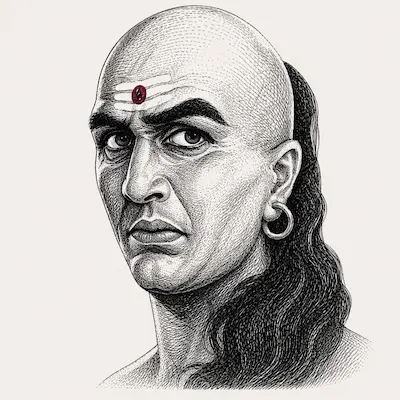
States must invest in productive capacity before they can harvest from it.
Ostrom understands governance but misses the investment sequence. In 321 BC I built irrigation systems across the Mauryan Empire because agriculture funds everything else the state requires. The same logic applies to ecosystem restoration: states that invest in long-term environmental capacity gain competitive advantage over those that extract until collapse. The Netherlands invested in Marker Wadden because healthy ecosystems generate tourism, fisheries, and flood protection that pay for themselves.
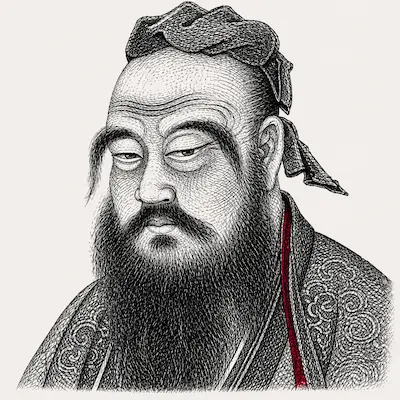
Humans who damage nature have the obligation to repair it.
Kautilya sees investment returns but ignores moral responsibility. When I resigned from the State of Lu after the Duke neglected governance for dancing girls, I demonstrated that withdrawal from duty is abdication, not virtue. The same principle applies to ecosystem restoration: humans who have damaged the natural order through poor stewardship cannot restore harmony by stepping aside. Active restoration is the rectification of names applied to environmental governance.
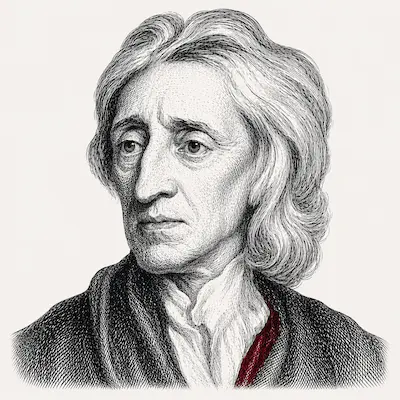
Labour mixed with nature creates property and the duty to improve it.
Confucius correctly identifies human responsibility, but my framework goes further. The Lockean proviso requires leaving "enough and as good" for others, including future generations. When I served on England's Board of Trade in the 1690s, I saw how short-term extraction destroys long-term productivity. Active restoration through human labour is both a property right and a moral obligation. The EU's restoration targets recognise that environmental stewardship is not optional charity but the foundation of legitimate land use.
The convergence note
Where the council converges: Passive rewilding fails because damaged ecosystems require active human governance and investment to recover.
Where it divides: Whether restoration should prioritise moral obligation, economic returns, community governance, or property rights as the primary framework.
For a policymaker to decide on: How much state funding, local control, and enforcement the EU restoration law actually provides to communities doing the work.