The Long Council
Who was selected, and why
Should we restore ecosystems by leaving nature alone and reducing human intervention?
The central tension
Passive conservation philosophy versus active restoration management as approaches to ecological recovery.
Selected members
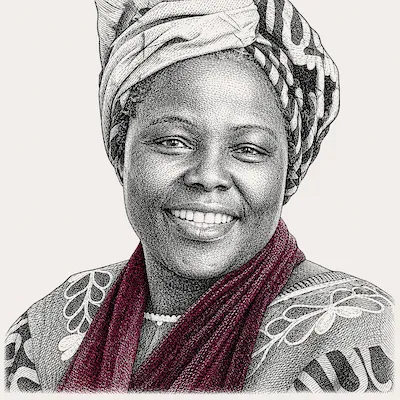
Wangari Maathai
Will argue: Active restoration requiring human stewardship and community participation is essential, ecosystems cannot recover without addressing the governance failures that damaged them
The only council member with documented experience in large-scale ecological restoration through active human intervention
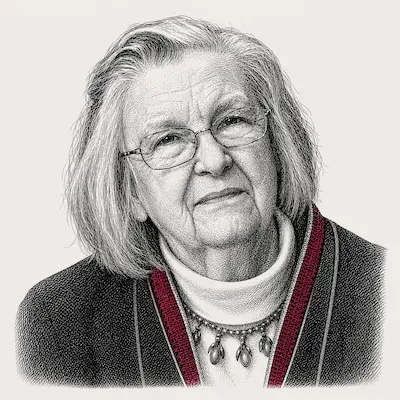
Elinor Ostrom
Will argue: The choice between human management and passive approaches depends on specific institutional conditions, some ecosystems require active governance, others recover through managed withdrawal of human pressure
Her commons framework addresses when and how human communities successfully manage shared natural resources versus when management systems fail
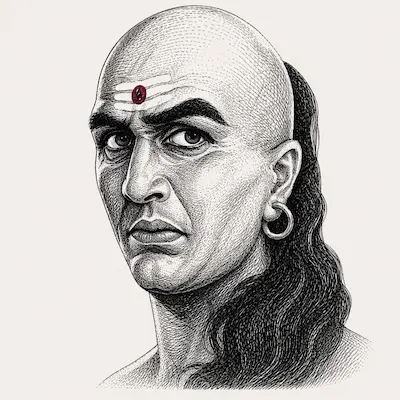
Kautilya
Will argue: Active human management is necessary because systems left ungoverned invite degradation, but intervention must be designed to enhance long-term productivity, not maximize short-term extraction
His framework treats investment in productive capacity (including agriculture and water management) as preceding extraction, with documented positions on sustainable resource management
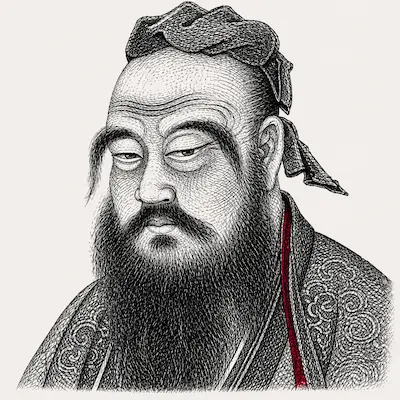
Confucius
Will argue: Humans have a responsibility to actively restore what human action has damaged, withdrawal from stewardship responsibilities is abdication, not restoration
His framework emphasizes harmony between human action and natural order, with humans as responsible stewards rather than passive observers
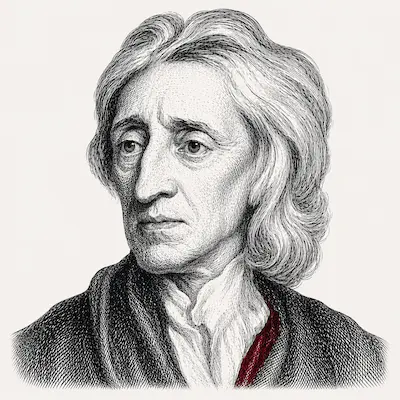
John Locke
Will argue: Active restoration through human labor is both a right and obligation, but only when it serves to repair damage and improve long-term sustainability, not when it continues extractive practices under a new name
His framework addresses the relationship between human labor, natural resources, and responsible stewardship, including the Lockean proviso about leaving "enough and as good" for others
Considered but not selected
Hayek: Excluded because his spontaneous order framework, while potentially applicable to ecological systems, lacks documented positions on environmental management specifically
Schmidt: Excluded because his framework focuses on geopolitical and economic sovereignty rather than environmental restoration, though his energy security concerns touch the issue peripherally
Rousseau: Excluded because his framework on natural goodness versus social corruption, while philosophically relevant, lacks the practical resource management focus this issue requires