The Long Council
Who was selected, and why
Should UK PM Starmer resign?
The central tension
The tension between democratic accountability (responding to loss of public confidence) and institutional stability (maintaining continuity of governance).
Selected members
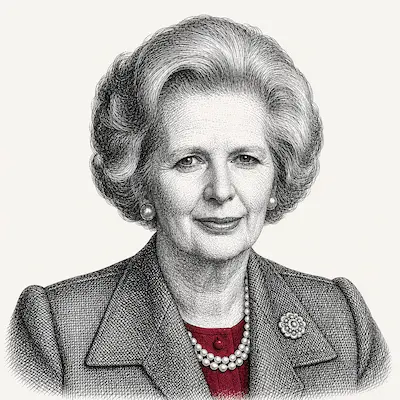
Margaret Thatcher
Will argue: That a Prime Minister who has lost the confidence of their party and/or parliament should resign to preserve democratic legitimacy and party governance.
Experienced the process of losing party confidence and forced resignation in 1990, providing documented precedent for UK prime ministerial departures under pressure.

Helmut Schmidt
Will argue: That leaders who can no longer deliver on their mandate should step aside rather than cling to office, prioritising institutional health over personal position.
Lost a constructive vote of no confidence in 1982 and chose not to contest the subsequent election, demonstrating principled acceptance of democratic defeat.

Nelson Mandela
Will argue: That leadership legitimacy depends on public trust and that leaders should step down when they can no longer serve effectively, prioritising institutional health over personal tenure.
Made the documented decision to serve only one term and established norms of voluntary power transfer, relevant to questions of when leaders should step down.
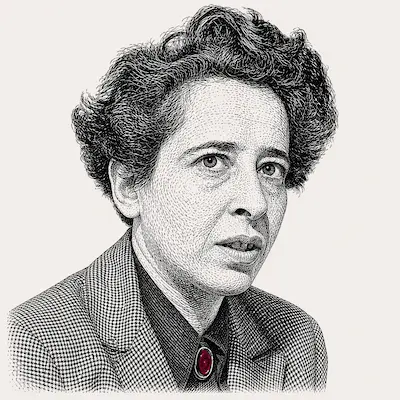
Hannah Arendt
Will argue: That political authority cannot be sustained through institutional position alone, when genuine support is withdrawn, resignation may be the only way to preserve institutional legitimacy.
Theorist of legitimate authority and the conditions under which political power is lost; her distinction between power (arising from collective action) and violence/force is relevant to assessing political legitimacy.
Considered but not selected
Franklin D. Roosevelt: His experience is with maintaining power through crisis, not with resignation decisions, and his four-term presidency provides limited guidance on stepping down. - Indira Gandhi, Her Emergency period and eventual electoral defeat offer some parallels, but the Indian parliamentary system differs significantly from the UK's Westminster model. - John Locke, While his consent theory is relevant to legitimacy questions, this issue requires practical experience with parliamentary systems and resignation decisions rather than theoretical frameworks.