The Long Council
Who was selected, and why
Has the Dutch Polder Model become a brake on innovation and growth, and should it be dismantled?
The central tension
Consensus-building versus speed of decision-making, whether deliberative governance that achieves broad stakeholder buy-in is compatible with rapid innovation and growth in competitive global markets.
Selected members
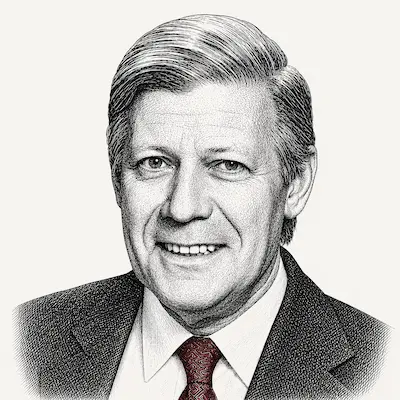
Helmut Schmidt
Will argue: Consensus can work but requires strong executive leadership to prevent paralysis; gradual reform preferable to dismantling
Governed a consensus-oriented European economy while maintaining competitiveness and navigating energy crises
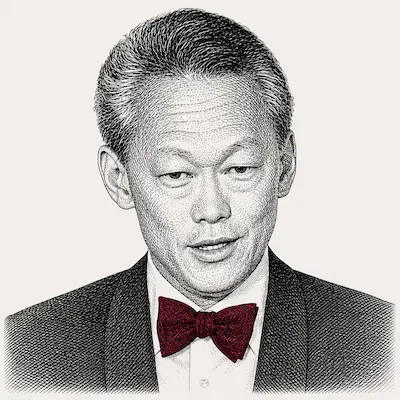
Lee Kuan Yew
Will argue: Consensus models are luxury goods for wealthy societies; competitive pressure requires swift, merit-based decisions
Built a competitive economy through decisive, technocratic governance that explicitly rejected consensus-seeking as inefficient
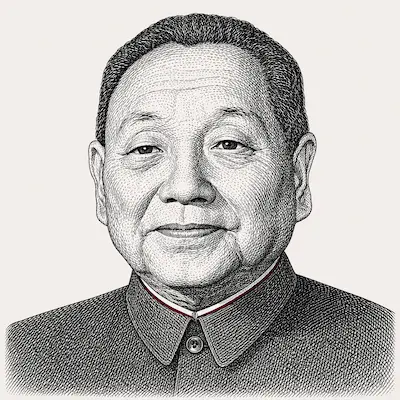
Deng Xiaoping
Will argue: Keep what works, change what doesn't; ideological attachment to consensus is less important than economic results
Successfully reformed a command economy through experimental, pragmatic approaches while maintaining political stability
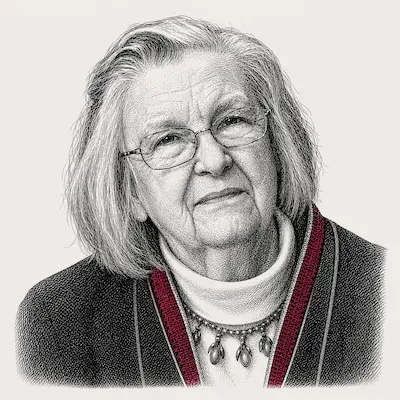
Elinor Ostrom
Will argue: The question isn't consensus versus speed, but whether Dutch institutions retain capacity for adaptation and error-correction
Her framework on collective action provides analytical tools for understanding when consensus-building enhances versus hinders economic performance
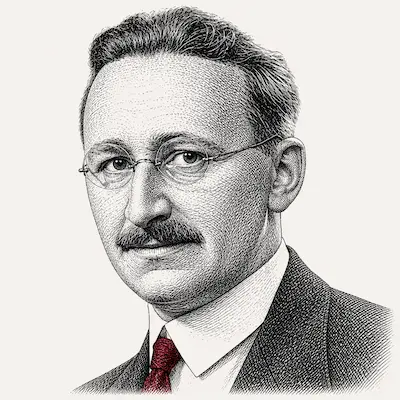
Friedrich Hayek
Will argue: Consensus models suppress the price signals and entrepreneurial discovery that drive innovation; should embrace competitive market processes
His knowledge problem and spontaneous order arguments directly challenge the premise that coordinated consensus can allocate resources efficiently
Considered but not selected
Konrad Adenauer: Rebuilt German consensus institutions but in post-war context very different from Netherlands' current innovation challenge - Margaret Thatcher: Would advocate dismantling but lacks direct experience with northern European social partnership models - John Maynard Keynes: Monetary/fiscal focus doesn't directly address institutional governance questions