The Long Council
Who was selected, and why
How can AI companies be regulated without hindering innovation?
The central tension
The trade-off between precautionary regulation (to prevent AI harms) and permissive frameworks (to enable beneficial innovation), whether these are genuinely in conflict or can be made complementary.
Selected members
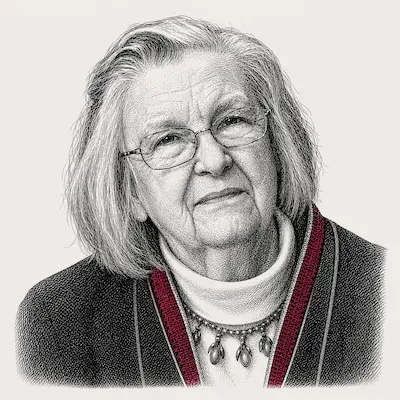
Elinor Ostrom
Will argue: That effective AI governance requires polycentric institutions (multiple overlapping authorities), user participation in rule-making, and graduated sanctions rather than binary approve/prohibit frameworks.
Her framework for governing commons applies directly to AI as a shared technological resource with positive and negative externalities.
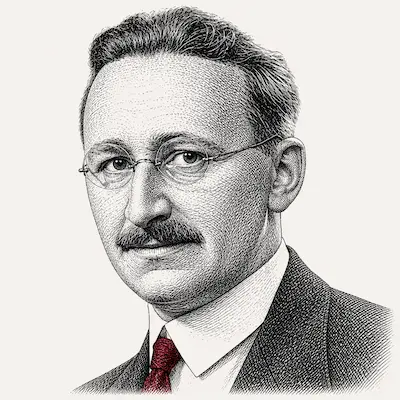
Friedrich Hayek
Will argue: That innovation cannot be planned from above; that regulatory uncertainty is more harmful than regulatory permissiveness; and that competition will solve AI safety problems more effectively than government oversight.
His knowledge problem and spontaneous order arguments directly address whether centralized regulation can effectively govern rapidly evolving technology.
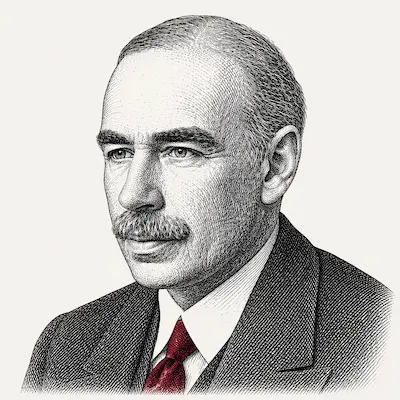
John Maynard Keynes
Will argue: That under genuine uncertainty about AI impacts, the correct approach is to insure against worst-case scenarios rather than optimize for expected outcomes.
His framework for decision-making under genuine uncertainty applies to AI regulation where risks and benefits cannot be calculated with confidence.
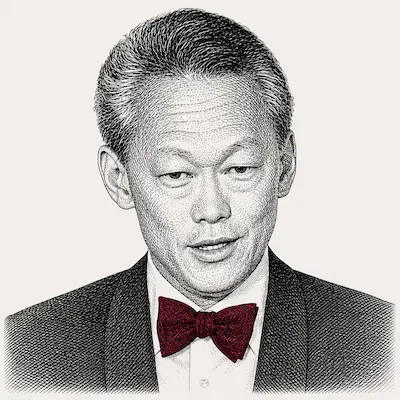
Lee Kuan Yew
Will argue: That governments should actively shape AI development through strategic investment and selective regulation rather than relying on either pure markets or comprehensive prohibition.
His approach to governing emerging technologies while maintaining economic competitiveness provides a tested framework for balancing innovation and control.
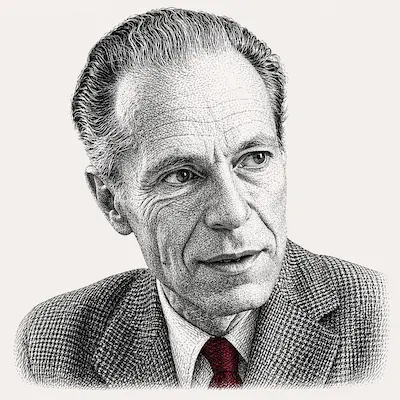
Albert O. Hirschman
Will argue: That regulatory frameworks should preserve exit options (reversibility), enable voice (stakeholder feedback), and accept that some beneficial innovations require initial regulatory ambiguity.
His exit/voice framework and hiding hand principle directly address how to design regulatory institutions that can adapt to technological surprises.
Considered but not selected
Margaret Thatcher: Her deregulatory framework is relevant but too blunt for the nuanced balance required between innovation and safety in AI governance. - Deng Xiaoping, His developmental state model is relevant but his framework lacks specific guidance on technological risk management. - John Rawls, His justice framework could address AI's distributional impacts but doesn't provide operational guidance for governing technological uncertainty.