Should societies celebrate cultural differences, or require newcomers to assimilate?
Built from documented writings, speeches, decisions and historical records. Council members argue from those positions, applied to today's question.
Newcomers must accept core civic values but should keep their cultural practices.
Atatürk's forced assimilation created unity but bred lasting resentment among minorities. Mandela's accommodation worked because South Africa's constitution made civic equality non-negotiable while protecting cultural difference. Nehru proved secular institutions can unite diverse populations when everyone accepts the democratic framework. Schmidt anchors the principle: you can pray in any language but cannot invoke religious law to override civil law.
The split is on speed versus patience. Rapid civic integration prevents parallel societies but risks backlash from displaced communities.
- 1Define in law which civic values are non-negotiable for all residents: constitutional principles, rule of law, gender equality.
- 2Protect cultural practices through constitutional rights while maintaining secular institutions that remain neutral on heritage.
- 3Reject any policy that allows religious or traditional law to override civil law in democratic societies.
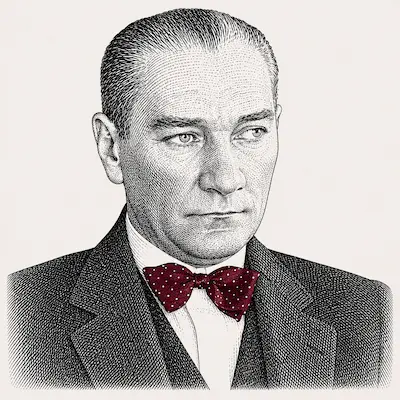
Successful integration demands shared civic standards, not cultural celebration.
Turkey in 1923 inherited Ottoman subjects speaking dozen languages, following different legal codes, loyal to different authorities. I replaced Arabic script with Latin alphabet, Islamic law with European civil codes, religious courts with secular institutions. The result: a unified nation capable of self-governance. Cultural diversity without shared civic foundation produces fragmentation, not strength. In 1928 I personally toured Anatolia teaching the new alphabet because literacy in your own script is the foundation of citizenship.
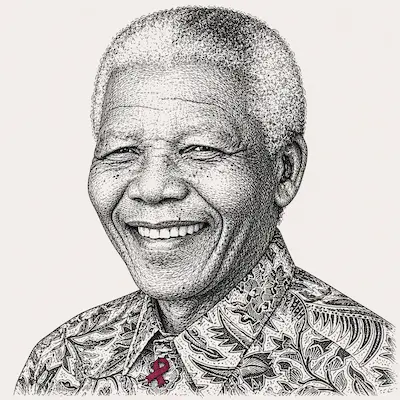
Inclusion builds stronger institutions than forced conformity ever could.
Atatürk's speed created unity, but at enormous cost to those forced to abandon their heritage. In 1994 I chose the opposite path: eleven official languages, multiple legal systems for personal matters, constitutional protection for cultural diversity. The Government of National Unity included my former oppressors because legitimacy requires that people see themselves in their institutions. South Africa's constitution works because it accommodates difference rather than eliminating it. Forced assimilation creates resentment that undermines the very unity it seeks.
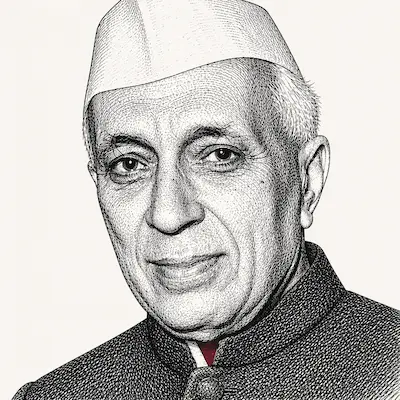
Secular institutions can unite diverse populations without cultural homogenisation.
Mandela's rainbow nation works for South Africa, but India's scale demanded different tools. With 350 million people speaking hundreds of languages and following different religions, forced assimilation would have meant civil war. Instead, I built secular institutions: parliamentary democracy, universal adult suffrage, constitutional fundamental rights. The state remains neutral on culture while enforcing common civic obligations. In 1950 I chose Hindi as an official language but refused to impose it, adding English as a bridge. Unity comes from shared institutions, not shared culture.
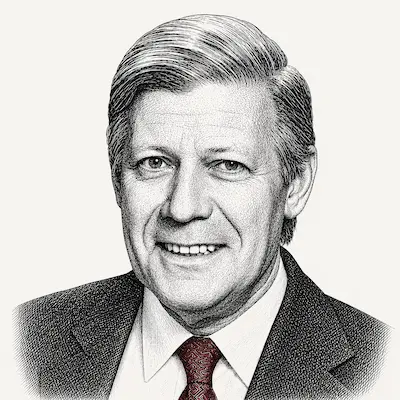
Successful integration requires newcomers to accept core civic values, not abandon their heritage.
Nehru's secular pluralism works when everyone accepts the secular framework, but that acceptance cannot be assumed. In 1973 Germany welcomed Turkish guest workers who we expected would return home. They stayed, brought families, built communities. The question became: do they accept German constitutional principles, rule of law, gender equality? Cultural diversity is compatible with social cohesion only when core civic values are non-negotiable. You can pray in any language, but you cannot invoke religious law to override civil law.
The convergence note
Where the council converges: All agree that some form of integration is necessary. Pure separation produces parallel societies that cannot govern together.
Where it divides: Speed versus accommodation. Atatürk and Schmidt demand rapid civic conformity. Mandela and Nehru trust inclusive institutions to create unity over time.
For a policymaker to decide on: Which civic standards are non-negotiable for newcomers. Which cultural practices deserve constitutional protection versus democratic debate.