Is democracy possible without a strong cultural and artistic sphere?
Built from documented writings, speeches, decisions and historical records. Council members argue from documented positions, applied to today's question.
Democracy can survive without high culture, but it cannot survive without a civic sphere where citizens name, argue, and appear to each other.
Arendt and Confucius agree that stripped institutions produce coercion, not self-governance. Sen anchors this in evidence: India's 1975 Emergency strangled public reasoning before it touched the ballot box. Maathai shows the floor, not the ceiling. Kenyan women planting trees and speaking publicly about land built twenty-five years of democratic resilience without elite aesthetic culture.
Locke holds that functioning courts, protected speech, and genuine elections constitute democracy regardless of cultural content. The council's majority replies: those procedures assume citizens already shaped to use them honestly, and that shaping is civic culture's work.
- 1Protect public reasoning spaces, including community assemblies, local media, and civic education, before protecting formal electoral procedures.
- 2Reject state cultural programs that impose elite aesthetic content; fund instead civic participation rooted in local community life.
- 3Codify protected speech and assembly rights as preconditions for civic culture, not substitutes for it.
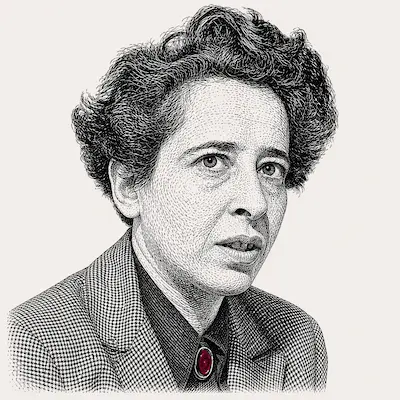
Without art and culture, citizens cannot appear to each other as free.
Democracy is not a procedure. It is a shared world, and that world must be built. I watched the Nazis dismantle cultural life before they dismantled political life, the sequence was not accidental. When the public realm shrinks, people stop appearing to one another as equals and become interchangeable units. Art and culture are not decorations on democratic institutions; they are the medium through which citizens exercise the political judgment that self-governance requires. A democracy without that medium is already hollowing out.
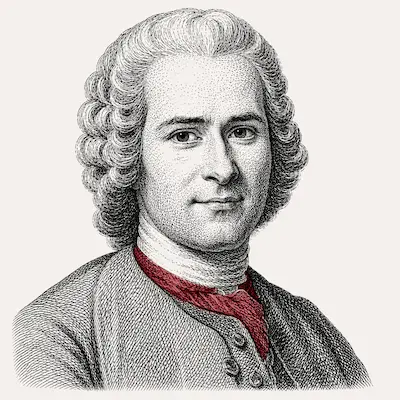
Elite artistic culture poisons the civic solidarity democracy actually needs.
Arendt is right that democracy requires a shared world, but she mistakes which world. The salons of Paris in my time produced wit, refinement, and spectacular inequality. The arts flourished while the people starved and the general will dissolved into private vanity. What democracy needs is not aesthetic culture but civic solidarity, the kind that forms in common festivals, shared labour, and public ceremony. I saw luxury corrupt republics in Rome and in France. The question is never whether culture matters but which culture serves the common good.
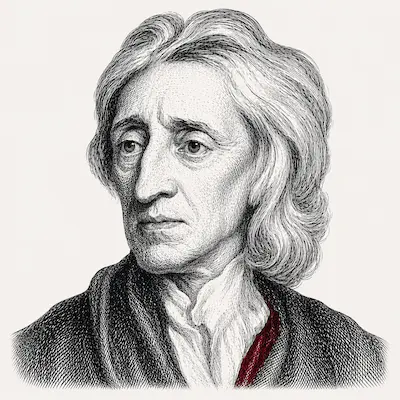
Consent and protected rights constitute democracy; culture is what free people choose.
Rousseau mistakes the cause for the condition. The English Parliament that emerged from the Glorious Revolution of 1689 was not built on shared festivals or civic ritual. It was built on consent, on law, on the protection of rights against arbitrary power. A democracy with thin cultural life but functioning courts, protected speech, and genuine elections is still a democracy. The moment the state appoints itself guardian of the cultural content citizens must share, it replicates the same overreach as a state church. Let individuals and voluntary associations produce culture freely.
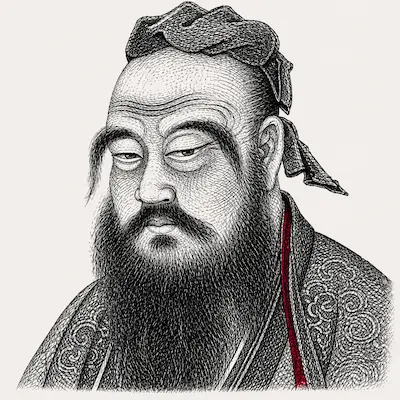
Governance without cultural form is an engine without a road.
Locke's framework rests on procedures, but procedures require people already shaped to use them honestly. I served the State of Lu and watched governance collapse not when laws failed but when the rites decayed, when rulers stopped performing the ceremonies that reminded everyone of their obligations to one another. In Analects 3, I documented music and ritual as the actual substance of political community, not its decoration. A ruler who governs by virtue is like the North Star; the people orient themselves without being compelled. Strip away the cultural forms and you strip away that orientation. What remains is coercion.
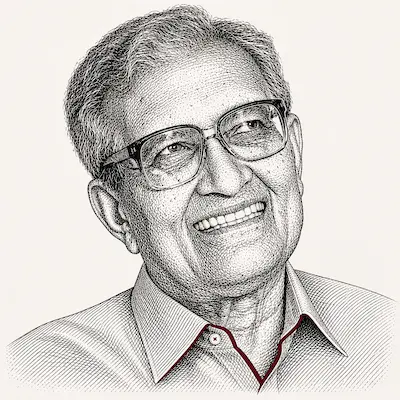
Cultural impoverishment is a capability deprivation that cripples democratic participation.
Confucius identifies something real, but the question is not which cultural forms a democracy must have. It is whether citizens have the actual capability to participate in cultural life at all. In my work on famines and entitlements, I showed that people starve not because food is absent but because their access to it is structurally blocked. The same logic applies here. A citizen denied education, denied exposure to plural ideas, denied the means to form and express independent judgment, cannot participate democratically, whatever institutions surround her. India's 1975 Emergency demonstrated this: Indira Gandhi did not abolish elections first, she strangled the public reasoning space that gave elections meaning.
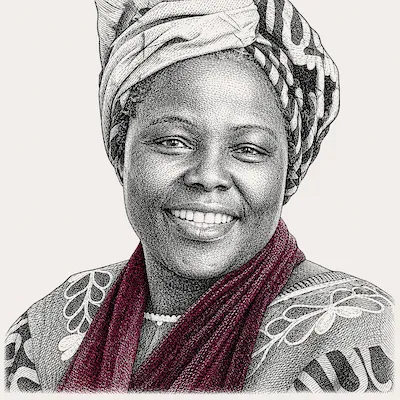
Grounded civic culture, not high culture, is what democracy actually grows from.
Sen is right that capability matters, but the question Sen leaves open is: capability for what kind of culture, produced where? When I organised women in the Kenyan highlands in 1977, I did not teach them Western aesthetic culture or Confucian rites. I taught them to plant indigenous trees, to name what was being taken from them, and to speak in public about land and water. That was civic culture. It was enough to challenge Daniel arap Moi's authoritarian regime for twenty-five years. The Green Belt Movement built democratic resilience from the ground up, using practices rooted in community life, not imported from elite institutions. The debate between Arendt's public realm and Locke's procedural rights misses the practitioners entirely. Democracy does not need a strong aesthetic sphere. It needs a strong civic sphere, and that sphere must be rooted in the actual lives of the people doing the governing.