Built from documented writings, speeches, decisions and historical records. Council members argue from those positions, applied to today's question.
- 1The Student List, a leaderless movement, won Serbia's parliamentary election on 26 October 2026, defeating Aleksandar Vučić's party.
- 2The Student List fielded 250 candidates, 134 with PhDs and 44% women, with 135-140 projected to enter parliament.
- 3The student movement began with faculty occupations and blockades in Novi Sad in 2024 and 2025, before forming any joint programme.
- 4Most opposition parties running against Vučić's party did not win enough votes to meet the electoral threshold.
The council treats these as reported facts, not settled truth. The members supply the reasoning; the asker supplied the sources.
The Novi Sad movement's horizontal structure won the election; it will not survive governing without naming who leads.
Arendt and Ostrom locate the movement's real power in the 2024 to 2025 occupations, where people acted together without obeying any hierarchy. Ostrom points to self-governed commons that outlasted their founding moment only by building explicit rules: who proposes, who is monitored, who is sanctioned. Hirschman separates the cost of walking away from a blockade from the cost of staying inside a parliamentary coalition through a lost vote. Nyerere draws on the 1967 Arusha Declaration: TANU's unnamed collective leadership hardened into a bureaucracy no voter could remove.
Machiavelli names the asymmetry Vučić's loss does not erase: his party lost the vote but kept the judiciary and security services, all commanded by people who can be named. A movement of 135 to 140 members that will not say who decides hands those entrenched interests a target without building one of its own.
- 1Name who proposes bills and who is accountable for failures within the Student List before parliament convenes.
- 2Publish the identity of whoever controls committee chairs and the whip so voters can see them before the next election.
- 3Build explicit internal rules for monitoring and sanctioning members, not just the horizontal structure that won the election.
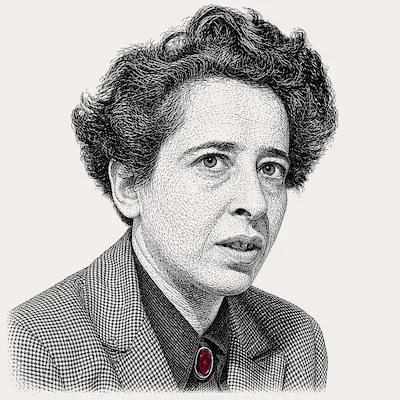
Power arose the moment they acted together in Novi Sad.
I have watched what happens when people act in concert. It is not the same as organisation, and it is not the same as leadership. When those students occupied faculties in 2024, they generated power the way I always said power is generated: by acting together, not by obeying a hierarchy. The vote on 26 October confirms it reached beyond the campus. But power that arises from concerted action can disappear the instant people disperse to govern separately. Parliament now tests whether it dissolves.
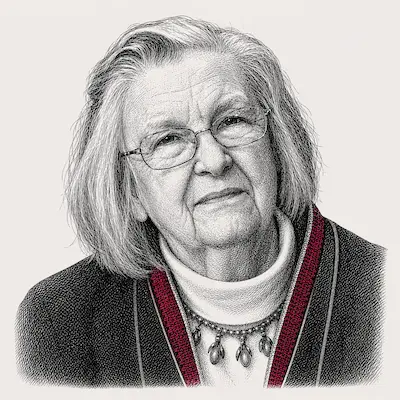
Durable governance needs rules, not just the absence of bosses.
Arendt is right that something real happened in those squares. But I have studied hundreds of self-governed commons, and the ones that lasted all built something beyond the moment of unity: clear boundaries, monitoring, graduated sanctions, a way to change the rules. A Swiss alpine village did not stay leaderless, it built institutions its members controlled directly. The Student List now needs the same thing inside parliament: who proposes bills, who is accountable when one fails. Horizontal origin does not require horizontal operation forever.
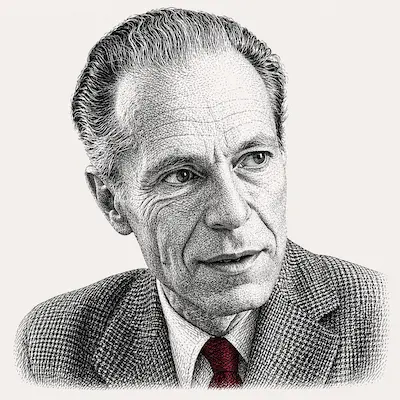
Blockades mastered voice; governing requires loyalty voice cannot replace.
Ostrom asks about exit, and that is exactly the hinge. In 1970 I argued that voice only works when loyalty makes the cost of staying and fighting worth it. A blockade is pure voice with low cost of exit, you can walk away from an occupied lecture hall tomorrow. A parliamentary seat is different. It demands sustained loyalty to colleagues, to compromise, to slow institutional work that produces no immediate vindication. Four hundred people with that could easily choose exit back into protest the first time a vote disappoints them.
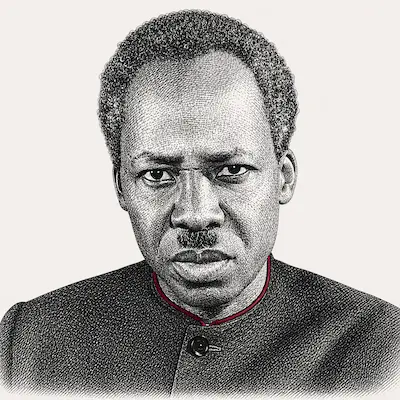
Someone always governs; better the public can name them.
Hirschman's worry is my own history. In 1967 I wrote the Arusha Declaration believing collective leadership could substitute for personal accountability. It could not. TANU's informal hierarchies hardened into a bureaucracy nobody could vote out, because nobody had agreed who was in charge to begin with. A movement that elects 135 to 140 members without a declared leader will still produce someone who controls the whip, the committee chairs, the actual decisions. The only question is whether voters can see that person's name before the next election.
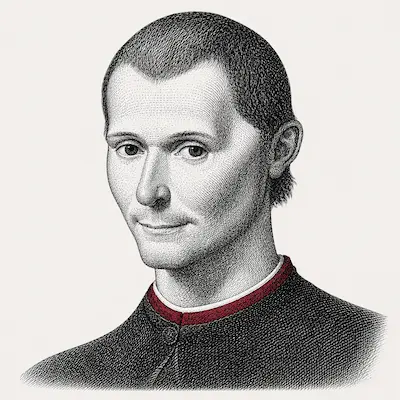
A new order without a visible leader will be eaten alive.
Nyerere names the danger correctly. I wrote that nothing is harder to establish than a new order, because its defenders are lukewarm while the old order's beneficiaries are desperate and organised. Vučić's party lost the vote, not the ministries, the judiciary, the security services built over years. Those entrenched interests are not leaderless. They know exactly who commands them. A movement that cannot say who decides, who takes blame, who strikes back, hands its enemies a target they lack and denies itself one entirely.
The convergence note
Where the council converges: Something genuine happened when students acted together without appointed leaders, and that collective power is real, not illusion.
Where it divides: Arendt and Ostrom believe institutions can be built to sustain that power; Hirschman, Nyerere, and Machiavelli doubt leaderlessness survives contact with governing and committed opponents.
For a policymaker to decide on: Whether the Student List should formalise visible, accountable leadership roles before taking office, or risk informal hierarchies forming without transparency.