How can democracies govern for the long term instead of the next election?
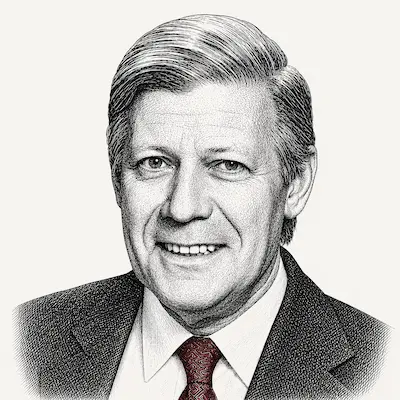
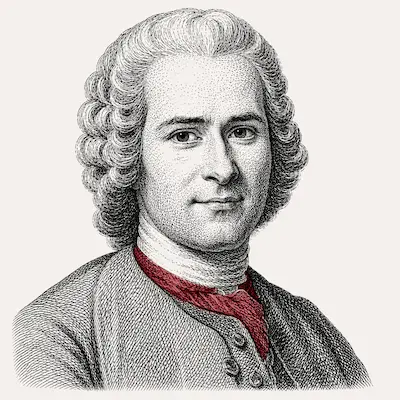
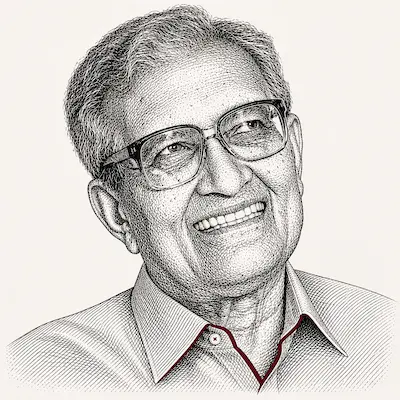
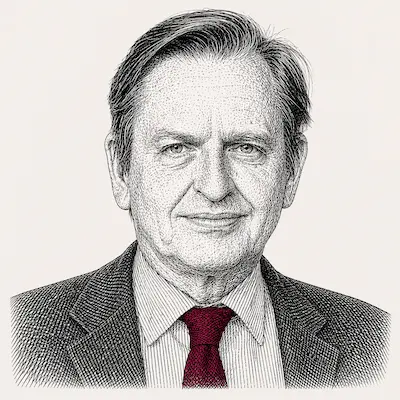
Built from documented writings, speeches, decisions and historical records. Council members argue from documented positions, applied to today's question.
Democracies govern long term when short-termism carries a price beyond losing the next election.
Rawls argues constitutional rules must make raiding pension funds and accumulating debt costly before any vote is cast. Schmidt adds that in 1978, the European Monetary System held only because specific leaders absorbed short-term political damage to protect it. Sen points to Bengal 1943: three million died while food was exported, and a free press would have ended it in weeks by making failure visible.
Palme's Sweden offers the clearest mechanism. The Rehn-Meidner model embedded unions, employers, and government in negotiations that took three years to build. No single election could undo them. When civil society holds institutional power, a government that loots the future loses the next bargaining round, not just the next vote.
The council splits on where to start. Rawls and Schmidt back independent fiscal councils and constitutional commitments. Rousseau, Sen, and Palme argue that insulating decisions from voters treats the symptom; building civic reasoning capacity and organised civil society changes what voters demand in the first place.
- 1Embed civil society organisations, specifically unions and employer bodies, in budget negotiations so raiding pension funds costs the next bargaining round, not just the next election.
- 2Establish independent fiscal councils with constitutional standing, making debt accumulation and long-term disinvestment formally costly before any vote is cast.
- 3Expand public access to honest fiscal information and free press scrutiny so governments cannot hide long-term failures from voters.
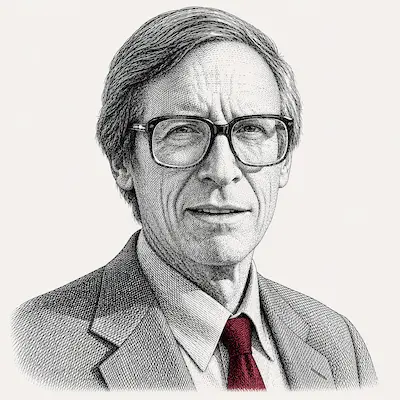
Design institutions as if you do not know which generation you inhabit.
The problem is not that voters are selfish. It is that institutions hand them no other choice. Behind a veil of ignorance, no rational person would design a system where pension funds are raided, forests logged, and debts accumulated because an election falls in three years. I watched the United States in the 1970s gut long-term investment for short-term stimulus, generation after generation. The fix is constitutional: independent fiscal bodies, mandatory intergenerational impact assessments, and basic structures that make short-termism costly before any vote is cast.
The convergence note
Where the council converges: Electoral cycles alone cannot produce long-term governance. All five agree that the problem is structural, not merely a matter of individual political will.
Where it divides: Rawls and Schmidt place primary weight on independent institutions and executive courage. Rousseau, Sen, and Palme disagree: Rousseau insists civic character must precede institutional design; Sen argues that expanding public reasoning capacity is the lever; Palme holds that organised civil society, not just individual voters or heroic leaders, is what makes long-termism durable.
For a policymaker to decide on: Should a government invest first in insulating specific decisions from electoral pressure, through independent fiscal councils or constitutional commitments, or in building the deliberative and civil society infrastructure that makes voters themselves demand long-term outcomes? These are not the same reform, and budgets rarely fund both at once.