As China prospers, will its population demand democracy or greater freedoms?
Built from documented writings, speeches, decisions and historical records. Council members argue from documented positions, applied to today's question.
China's prosperity will generate demands for greater freedoms, but not necessarily Western-style democracy.
Deng and Lee anchor in survival logic: economic results buy consent when governments deliver rising living standards and social mobility. Sen counters with famine research: no democracy with free press has experienced major famine because accountability forces government response. Thatcher identifies the structural contradiction: market prosperity creates demands for broader freedoms that political control cannot contain indefinitely.
The council splits on timing and form. Authoritarian modernizers see political opening as destabilizing before prosperity is secure. Democratic developmentalists argue voice improves policy quality and makes growth sustainable.
- 1Prepare institutional mechanisms for controlled political participation before educated middle classes demand it outright.
- 2Establish accountability systems that deliver government responsiveness without full democratization, as Sen's famine research suggests.
- 3Expand property ownership and economic freedoms gradually, recognizing Thatcher's point about their connection to political demands.
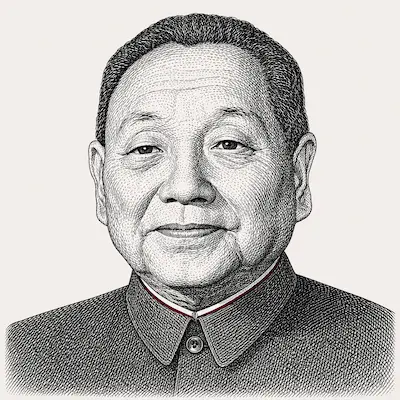
China's growth buys consent, not voice.
Prosperity strengthens the Party's legitimacy rather than undermining it. In 1989 I authorised the Tiananmen crackdown because political liberalisation would have destroyed the stability that enables development. Students demanded democracy, but democracy without economic foundation produces chaos. I opened China to foreign investment and technology while maintaining political control because that combination delivers results. The Four Modernisations succeeded precisely because we separated economic reform from political reform. Citizens accept competent governance over empty promises.
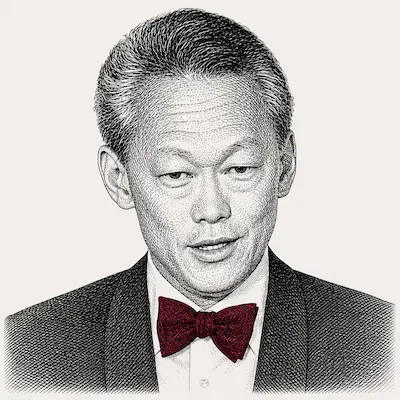
Results matter more than ballots when survival is at stake.
Deng is right about separating economic and political reform. In 1965 I separated Singapore from Malaysia because racial politics threatened collapse. Survival came first, democracy second. We built meritocracy, delivered housing to 90% of families, and created visible prosperity. Citizens judge governments by outcomes, not processes. China's scale allows the same logic: as long as Beijing delivers rising living standards and social mobility, democratic pressure stays manageable. The Western assumption that prosperity automatically generates democratic demands ignores Asian experience.
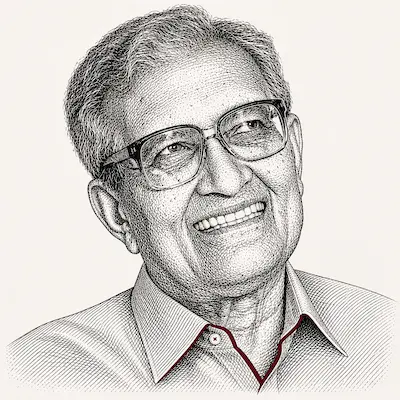
Development without voice is incomplete development that breeds its own pressures.
Lee underestimates what genuine development requires. Prosperity without political freedom creates educated populations who eventually demand participation in decisions affecting their lives. My capability approach shows that human development means expanding what people can actually do and be. Economic growth alone cannot deliver this. In my famine research, I documented that no democracy with a free press has ever experienced a major famine because accountability mechanisms force governments to respond. China's model may deliver GDP growth, but it cannot deliver the full range of human capabilities indefinitely.
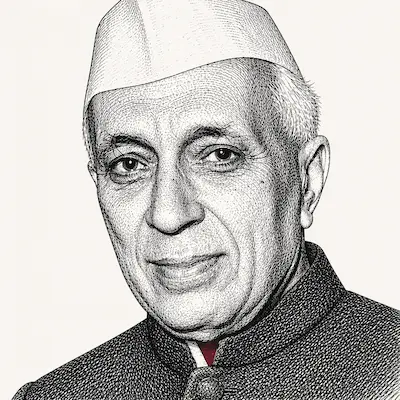
Democracy and development strengthen each other when institutions channel popular energy constructively.
Sen correctly identifies the connection, but Nehru's India proves democracy works. At independence in 1947 I chose parliamentary democracy with universal suffrage for 350 million people, most illiterate. Critics said it was impossible. We held free elections, built the Planning Commission, and launched five-year plans while maintaining competitive politics. Democracy improved policy quality through feedback mechanisms and gave citizens stake in the development process. China's model may deliver faster growth short-term, but educated populations eventually demand the political participation that makes development sustainable.
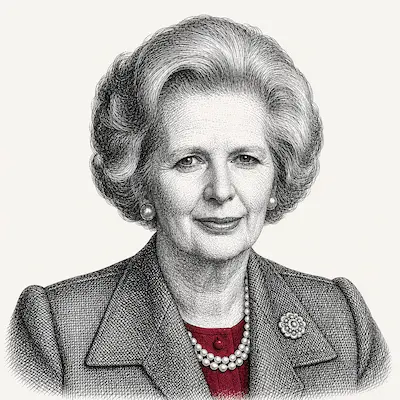
Economic freedom and political freedom are inseparable in the long run.
Nehru's planning created the licence raj that strangled Indian growth for decades. Democracy without economic freedom produces stagnation; economic freedom without political freedom proves unstable. I privatised British Telecom, British Gas, and housing because property ownership creates personal responsibility and political engagement. China's contradiction is structural: market prosperity generates demands for broader freedoms that cannot be indefinitely contained by political control. The students at Tiananmen represented exactly this pressure. Deng's crackdown bought time, not a permanent solution.
The convergence note
Where the council converges: Economic development requires political stability. Prosperity changes popular expectations and demands.
Where it divides: Whether political freedom is a precondition of genuine development or a luxury that comes after economic growth.
For a policymaker to decide on: Whether to risk political opening during economic transition or maintain control until prosperity is secure.