Built from documented writings, speeches, decisions and historical records. Council members argue from those positions, applied to today's question.
- 1In 1966, Republicans successfully linked wartime spending to the rising price of pork chops as a political attack.
The council treats these as reported facts, not settled truth. The members supply the reasoning; the asker supplied the sources.
Rising prices alone rarely swing elections. They swing elections once a party names the cause and an alternative exists.
Friedman locates the trigger in the mechanism itself: inflation taxes voters without a vote, and they feel it at the register. Keynes, Hirschman, and Arendt counter that pain needs translation. In 1966 Republicans built the link from Vietnam spending to pork chop prices; without that bridge, voters absorb the pain and move on. Palme adds the missing variable: Sweden ran high inflation in the 1970s without matching backlash because universal insurance spread the cost.
The split is over what actually does the work. Friedman sees the price rise itself as the punishment; the others see the punishment arriving only when a political story and a sense of unfair burden attach to it.
- 1Build an explicit narrative linking price rises to a named cause before expecting voters to punish incumbents over inflation.
- 2Strengthen universal social insurance and labour market protections so price shocks are shared rather than dumped on the vulnerable.
- 3Monitor whether a credible opposition exists to supply an alternative story, since inflation without one is absorbed rather than punished.
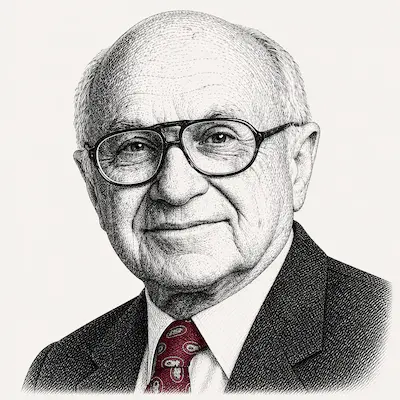
Inflation always punishes incumbents; that part is mechanical.
In 1966 wartime spending was already pushing prices up, and voters felt it at the butcher's counter before any economist explained why. I've said it plainly: inflation is a tax imposed without legislation, and the public senses theft even without the vocabulary for it. Pork chops rising is the Federal Reserve's and the Treasury's signature written onto a grocery bill. Republicans didn't invent that anger in 1966; they translated it. The mechanism is monetary, but the punishment at the ballot box is real and close to automatic when prices rise faster than wages.
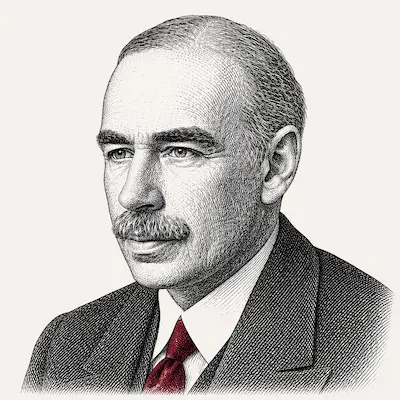
Prices move votes only once someone names the villain.
Friedman is right that inflation is a monetary wound, but a wound unnoticed heals quietly and one named becomes a scandal. In 1925 I attacked Churchill's return to gold not because deflation was abstractly wrong but because I could already see unemployment and strikes arriving, and I said so publicly before the General Strike proved it. The 1966 Republicans did not discover pork chop prices; they built the bridge from Vietnam spending to kitchen tables. Without that bridge, rising prices are background noise voters absorb and forget rather than an indictment they carry into the polling booth.
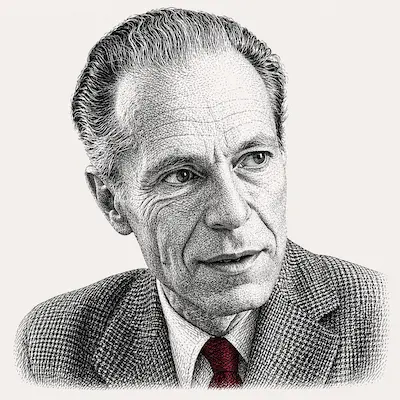
Grievance needs an exit route before it becomes a vote.
Exactly. Voice is not a reflex to pain; it is a calculated response that depends on whether an alternative exists and whether loyalty to the current arrangement has worn thin enough to break. I watched this in Colombia in the 1950s, where farmers tolerated terrible terms of trade for years because no credible alternative buyer or policy existed, then abandoned loyalty almost overnight once one did. In 1966 the Republican opposition supplied exactly that: a labelled alternative and a story connecting Vietnam spending to kitchen-table pain. Without an opposition capable of naming the cause, rising prices just get endured.
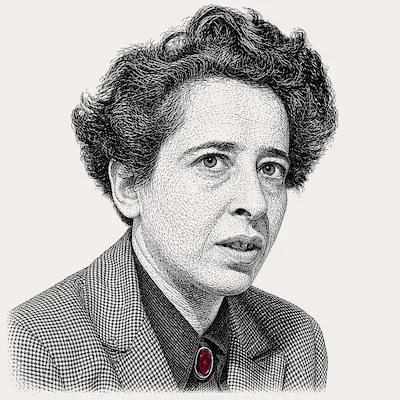
Prices become political only once woven into a story of blame.
Hirschman names the mechanism; I want to name what the mechanism actually produces. Economic pain by itself is not political action, it is suffering, and suffering can be endured in silence for generations. What turns it into a vote is the construction of a public narrative that assigns responsibility and makes action imaginable together with others. I watched, from exile, how economic collapse in Weimar Germany became catastrophic only once it was organized into competing stories about who had betrayed the nation. The 1966 pork chop argument worked because it converted private frustration into a shared, actionable political judgment.
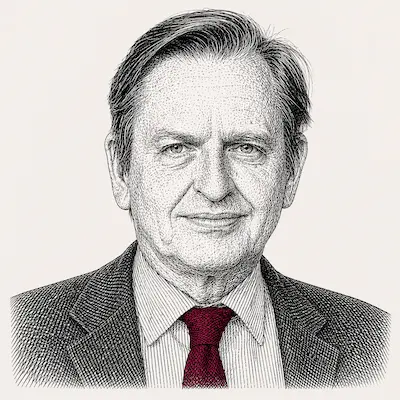
Voters forgive prices when they trust the system is fair.
Arendt is right that someone must tell the story, but the story lands differently depending on whether institutions have already earned trust. Sweden in the 1970s ran high inflation at times without producing the kind of electoral punishment Friedman's logic predicts, because our active labour market policy and universal social insurance meant price shocks were shared, not dumped on the vulnerable alone. The 1966 pork chop attack worked partly because Americans had no equivalent floor beneath them. Rising prices alone rarely decide elections; rising prices landing on people who already feel abandoned by their government decide elections.
The convergence note
Where the council converges: Rising prices never translate into votes automatically. They require a political actor to name a cause, an available alternative, and a sense that the pain is unfairly distributed.
Where it divides: Friedman treats punishment as near-mechanical once prices rise; Keynes, Hirschman, and Arendt insist a deliberate political narrative must intervene first. Palme adds that institutional trust, not narrative alone, determines whether that story sticks.
For a policymaker to decide on: Decide whether to manage inflation itself or manage the perception and fairness of its burden, since the council suggests both failures, not price levels alone, drive electoral backlash.