The Long Council
Who was selected, and why
Can rising prices alone decide how people vote in elections?
The central tension
Do voters punish governments mainly for bread-and-butter economic pain, or do deeper identity, trust and framing battles actually decide elections?
The two poles
Economic determinism
voters vote their wallets
Framing and legitimacy determine outcomes
prices alone don't decide
trust and narrative do
Selected members
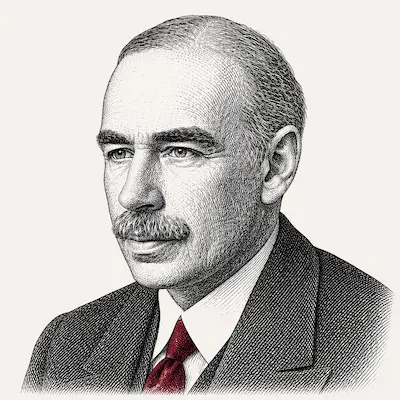
John Maynard Keynes
Will argue: Rising prices are a real material grievance that governments ignore at their peril but the political translation is not automatic.
He analyzed how inflation and economic pain translate into political instability and public anger at governments.
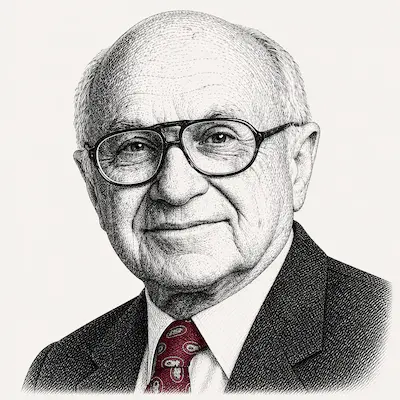
Milton Friedman
Will argue: Rising prices are a direct, almost mechanical punishment signal to incumbents because inflation is a visible tax imposed by poor policy.
His claim that inflation is always a monetary phenomenon gives him a strong economic basis for arguing prices are a powerful, measurable electoral signal.
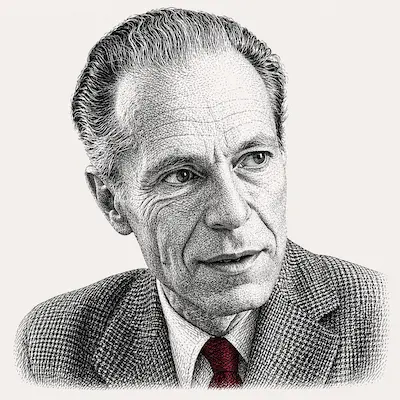
Albert O. Hirschman
Will argue: Prices alone rarely decide elections because voice requires a credible alternative and a narrative connecting grievance to blame.
His exit, voice and loyalty framework explains why economic grievance sometimes produces political voice and sometimes does not, depending on alternatives available to voters.
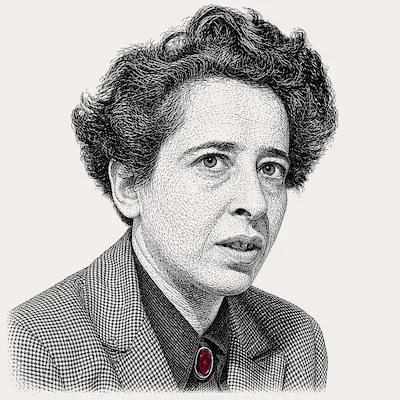
Hannah Arendt
Will argue: Economic hardship becomes politically decisive only when it is organized into a story about who is to blame and what is at stake.
Her work on how political legitimacy and public narrative shape mass political behavior challenges purely material explanations of voting.
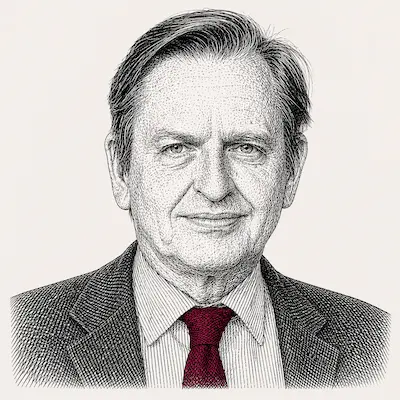
Olof Palme
Will argue: Voters punish governments less for prices themselves than for the sense that institutions are failing to share the burden fairly.
His governance model argued that institutional trust and perceived fairness, not raw price levels, determine whether economic pain turns into political backlash.
Considered but not selected
Margaret Thatcher: her inflation-fighting record is relevant but she is already well covered by Friedman on the economic determinism pole and her core expertise is more about policy response than voter psychology. Franklin D. Roosevelt, strong on crisis leadership and economic policy but the 1966 midterms and the voting-behavior question are better served by thinkers with explicit theories of political psychology. Ibn Khaldun, his taxation and dynastic decline framework is suggestive but requires heavy extrapolation to modern electoral behavior; less directly relevant than the selected voices.