Built from documented writings, speeches, decisions and historical records. Council members argue from documented positions, applied to today's question.
Government must build housing directly while removing barriers to private construction. Market signals fail when speculation dominates shelter.
Roosevelt and Lee anchor in state capacity: when private builders won't construct affordable units, government must fill the gap directly. Keynes identifies the mechanism: speculation breaks price signals, making profitable construction impossible at affordable levels. Schmidt and Hayek agree on removing zoning barriers like California's SB 9, but differ on whether regulatory reform alone can match the 3.8 million unit shortage.
The split centers on speed versus sustainability. Direct federal construction delivers units within years but creates permanent spending programs. Institutional reform through planning streamlining and mortgage market changes builds lasting capacity but takes decades to scale.
- 1Build federal housing programs directly, following Singapore's Housing Development Board model for state-directed construction at scale.
- 2Remove zoning restrictions that prevent supply response, implementing reforms like California's SB 9 across jurisdictions.
- 3Regulate investor purchases of residential properties to prevent speculation from displacing shelter demand.
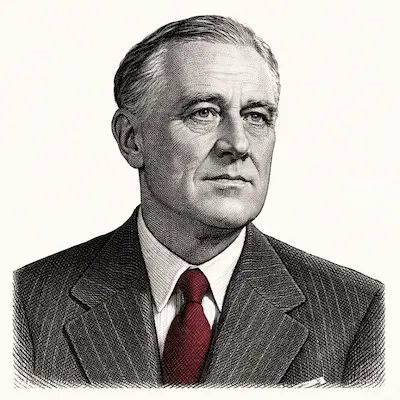
Housing shortages demand federal action when markets fail.
The private market built exactly zero affordable housing units during the Depression's worst years. In 1934 I created the Federal Housing Administration and public housing programs because waiting for market recovery meant families sleeping in cars. We built 180,000 public housing units and guaranteed millions of mortgages. When BlackRock buys 300,000 homes for investment portfolios, that's the same market failure, capital flowing to speculation, not shelter. The federal government must build directly and regulate investor purchases.

Price controls and public housing destroy the information markets need.
Roosevelt's approach attacks symptoms while worsening the disease. Housing shortages signal that demand exceeds supply at current prices, the market's way of calling forth more construction. When government caps prices or builds public housing, it eliminates the profit signals that would otherwise attract private builders. California's SB 9 shows the real solution: remove zoning restrictions that prevent supply response. The knowledge problem applies here: no planner can know where housing is needed better than prices can reveal it.
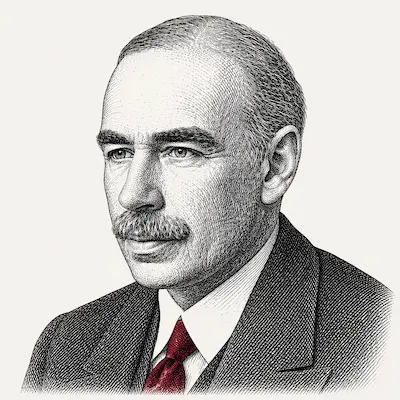
Private investment fails when uncertainty exceeds expected returns.
Hayek's price signals work in normal times, not in housing crises. When median home prices jump 40% in three years, that's not information, it's speculation feeding on itself. Private builders won't construct affordable housing because land costs have made it unprofitable. In 1940 I designed compulsory savings to finance Britain's war effort without inflation. Housing requires the same logic: government investment breaks the cycle when private capital won't move. Markets can stay irrational longer than families can stay homeless.

Housing policy requires long-term state capacity, not emergency spending.
Keynes underestimates the institutional requirements. In 1974 I inherited housing pressures from the oil shock but refused deficit spending without structural reform. We reformed mortgage markets, streamlined planning permissions, and built social housing through state development banks, not federal programs that create permanent spending constituencies. Singapore's Housing Development Board succeeded because Lee built institutions that could deliver quality at scale. America's 3.8 million unit shortage requires German-style state capacity: boring competence over decades, not New Deal dramatics.

Government must build housing directly or surrender sovereignty to landlords.
Schmidt assumes democratic politics allows long-term thinking. It doesn't. In 1960 we faced the same choice America faces now: let market forces price out citizens, or build state capacity to house them. We chose the Housing Development Board. Eighty percent of Singaporeans now live in public housing they own through the Central Provident Fund. This isn't socialism, it's state-directed capitalism. When BlackRock owns entire neighborhoods, tenants become subjects of a foreign corporation. That's not housing policy; it's abdication of governance.
The convergence note
Where the council converges: Market failures in housing require government intervention. Pure market solutions cannot address urgent shortages at the scale and speed required.
Where it divides: Direct government construction versus regulatory reform. Roosevelt and Lee advocate state building programs; Hayek and Schmidt prefer removing barriers to private construction.
For a policymaker to decide on: Whether to prioritize immediate federal housing construction or long-term institutional capacity building through reformed planning and finance systems.