The Long Council
Who was selected, and why
Should social media be banned for children?
The central tension
Should we act now to protect kids from possible harm, or wait until the evidence is actually clear?
Where they stand
Precaution now
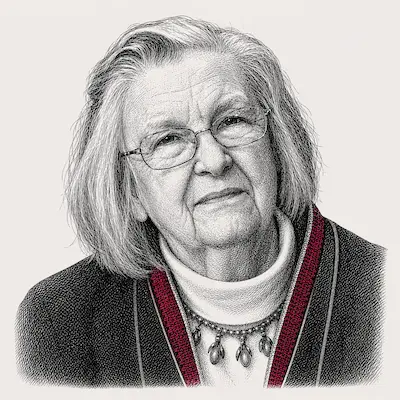 Elinor Ostrom
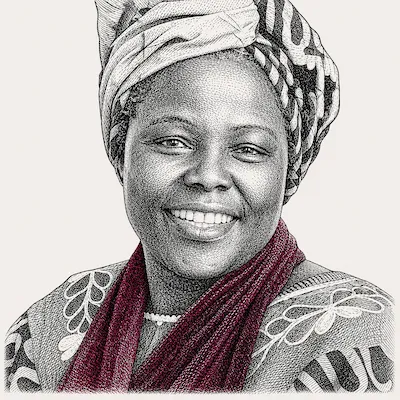 Wangari Maathai
Evidence first, caution about overreach
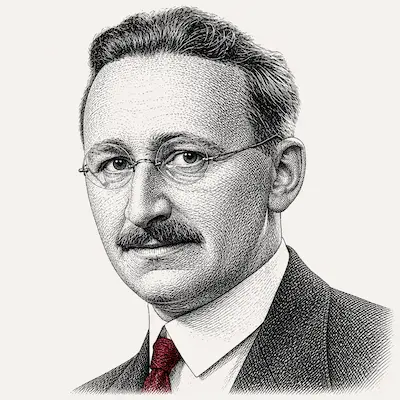 Friedrich Hayek
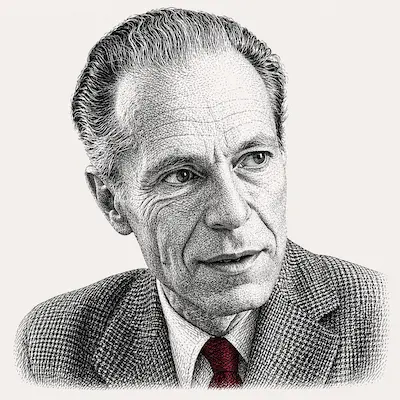 Albert O. Hirschman
Child welfare obligation as a duty regardless of proof
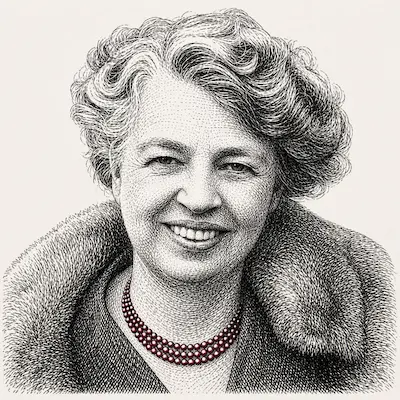 Eleanor Roosevelt
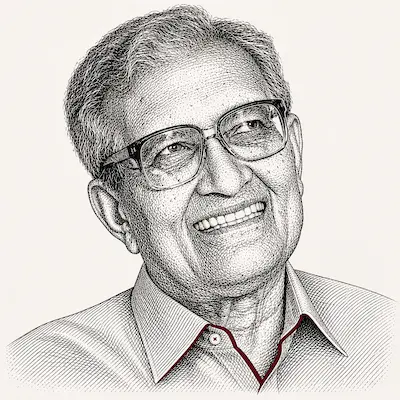 Amartya Sen
Selected members
Elinor Ostrom
Will argue: Blanket bans are a panacea solution and the real question is what local, adaptable rules platforms, schools and families could co-design.
Social media is a shared information commons facing a collective action problem with no obvious market or state fix.
Amartya Sen
Will argue: Uncertainty in the data does not excuse inaction when children's long-term capability to develop freely may be at stake.
The issue is fundamentally about what capabilities children need to flourish, not just about measured harms in studies.
Eleanor Roosevelt
Will argue: Waiting for perfect evidence while children are demonstrably exposed to harm is itself a moral and institutional failure.
She built the international rights framework that explicitly treats children's welfare as a state and societal obligation, not merely a private matter.
Friedrich Hayek
Will argue: A government ban based on disputed science risks confident intervention built on knowledge nobody actually possesses, with unpredictable side effects.
He is the sharpest documented voice for epistemic humility against sweeping interventions justified by incomplete and contested knowledge.
Albert O. Hirschman
Will argue: Given contested evidence, less drastic reversible measures should be tried before committing to an irreversible ban.
A ban is a hard-to-reverse structural decision, and his irreversibility principle demands a higher bar of justification than the article's evidence currently provides.
Wangari Maathai
Will argue: Durable protection for children requires building community and parental capacity to govern technology use, not just a state ban imposed from above.
Her integrated framework links the wellbeing of the vulnerable, grassroots agency and accountability, offering a model for empowering families and communities over top-down bans.
Considered but not selected
Milton Friedman: his market-freedom framework would echo Hayek's epistemic caution without adding a genuinely distinct line of reasoning on this specific issue. - Confucius, his moral cultivation and education-first framework is relevant but overlaps heavily with Sen's capability and Maathai's community-building arguments without a sharper documented edge on digital media specifically. - Hannah Arendt, her bureaucratic accountability and public realm concerns are suggestive but her documented record has no real engagement with childhood development or media regulation, requiring too much extrapolation.