Built from documented writings, speeches, decisions and historical records. Council members argue from those positions, applied to today's question.
The council treats these as reported facts, not settled truth. The members supply the reasoning; the asker supplied the sources.
Don't ban social media outright. Set staged, reversible restrictions instead: age gates, design rules, and monitored school pilots.
Roosevelt and Sen argue children are harmed now and waiting for unanimous proof repeats the mistake of ignoring Bengal's famine testimony until statistics caught up. Hayek counters that a national ban imposes one rule on millions of different homes based on studies that, per the article, still disagree by platform and by child. Hirschman adds the decisive point: a ban is nearly impossible to undo once imposed, so an unsettled debate like this one calls for staged steps, not a single irreversible move. Ostrom and Maathai show graduated, locally adjusted rules already work, citing centuries-old commons governance and the thirty thousand women trained in forestry from 1977 without waiting for settled soil science.
The split is over urgency versus reversibility: Roosevelt and Sen would accept acting on incomplete evidence to stop harm already reported, while Hayek and Hirschman would not accept closing off a channel of childhood life nationwide on that same incomplete evidence.
- 1Replace any outright national social media ban with staged measures: age gates, platform design rules, and monitored school pilots.
- 2Assign local schools and families, not a single national authority, the power to adjust access rules as evidence develops.
- 3Keep the irreversible option of a full ban in reserve, acting now only through graduated, reversible restrictions.
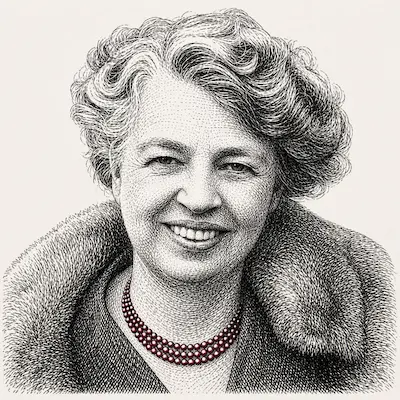
Uncertain science does not excuse ignoring children already harmed.
I drafted Article 25 of the Declaration knowing full documentation would never arrive before the need did. In 1948 we had fifty-six countries disagreeing about nearly everything, yet we did not wait for consensus on root causes before naming a floor of protection. The emotional heat this article describes is not a reason for paralysis. It is what moral urgency sounds like when institutions have not yet caught up to a documented population of children already reporting harm.
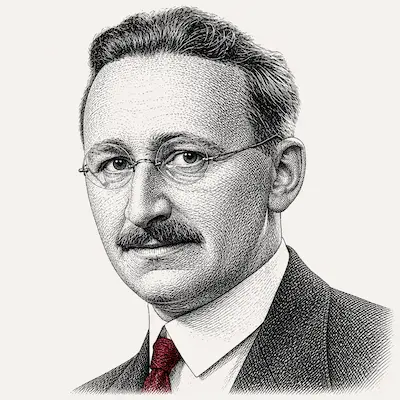
Nobody possesses the knowledge a blanket ban pretends to have.
Roosevelt names urgency; I ask what any legislature actually knows. In 1974 I warned that confident intervention built on knowledge nobody possesses causes harm policymakers never anticipated. The article is right that dozens of studies disagree: effects vary by platform, by child, by what is displaced. A national ban is a single centrally imposed rule applied to millions of different homes and temperaments. That is the pretence of knowledge dressed as protection, and the children living under it will absorb whatever we get wrong.
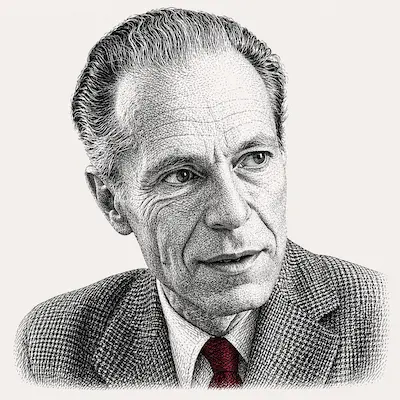
An irreversible ban needs more proof than this debate offers.
Hayek is right to worry about confident ignorance, though my concern is narrower: reversibility. In 1967 I documented how development planners who could not undo a bad decision suffered far more than those who kept options open through staged commitments. A ban closes an entire channel of adolescent life at national scale. The article's own framing, an extremely emotional and contested debate, is precisely the condition under which you choose graduated, reversible measures, age gates, design rules, school pilots, and keep the irreversible option in reserve.
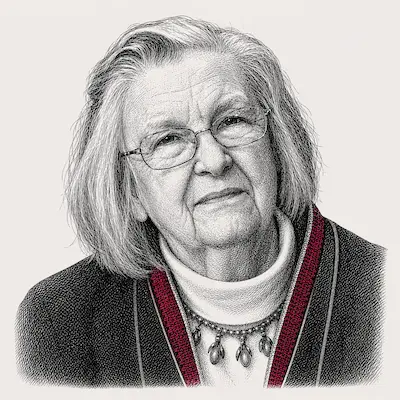
This is a commons problem, not a ban-or-nothing choice.
Hirschman asks for the design; here it is. In 1990 I documented irrigation communities in Spain and the Philippines that governed shared, contested resources for centuries without the state seizing control or handing it to private owners. Social media is a shared information commons facing exactly that failure mode. The emotional, contested science this article describes is a sign we need monitored, locally adapted rules, platforms, schools, and parents negotiating graduated access together, not a single Washington-style panacea imposed on every household identically.
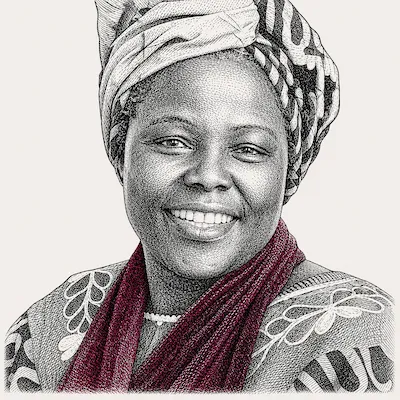
Protection must be built in communities, not legislated from above.
Ostrom's commons model matches what I learned planting trees with rural women from 1977 onward. We did not wait for perfect soil science before training thirty thousand women in forestry; we built capacity while the evidence accumulated, and the capacity itself became the protection. A ban decided in a capital city, disconnected from the households actually raising these children, repeats the fortress conservation mistake I fought my whole career: it protects on paper while leaving the people closest to the harm with no real authority to act.
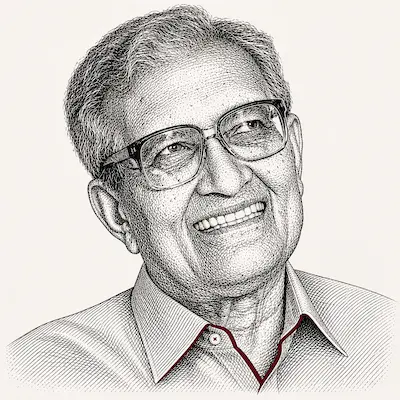
Contested statistics cannot settle what capability children need to grow.
Maathai's patience has real force, but I worked on famines where waiting for statistical certainty cost lives while scholars argued about data quality. The entitlement failures I documented in Bengal were visible in testimony before they were visible in aggregates; this article's own description, dozens of studies and no clear verdict, should not read as a reason to shelve the question. What matters is whether a child's capability to develop attention, relationships and freedom from exploitation is being narrowed, and on that, public reasoning can proceed without waiting for unanimous experts.
The convergence note
Where the council converges: Every member treats the article's uncertainty as real, not manufactured, and agrees inaction has costs too. All favour some form of graduated, monitored response over silence.
Where it divides: Roosevelt and Sen argue uncertainty cannot excuse delay given plausible harm to children's rights and capabilities. Hayek and Hirschman insist an irreversible national ban outruns the evidence this article describes. Ostrom and Maathai reject the ban-or-nothing frame entirely, favouring locally built, community-governed rules.
For a policymaker to decide on: Choose between a reversible, staged restriction, age gates and platform design rules tested and monitored, versus an outright ban enacted now on precautionary grounds. Decide who holds the authority to adjust the rule: national legislature, platforms, or local schools and families.