The Long Council
Who was selected, and why
Should governments ban or limit ultra-processed foods?
The central tension
Public health protection versus individual choice and market freedom, when do documented health harms justify state intervention in personal consumption decisions.
The two poles
Public Health Regulation
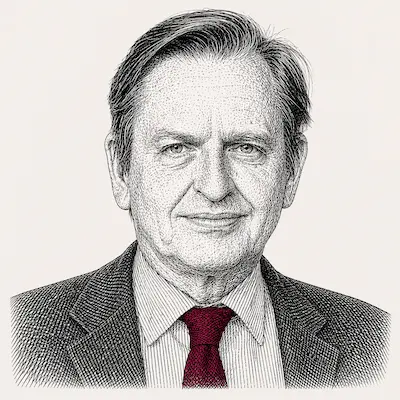 Olof Palme
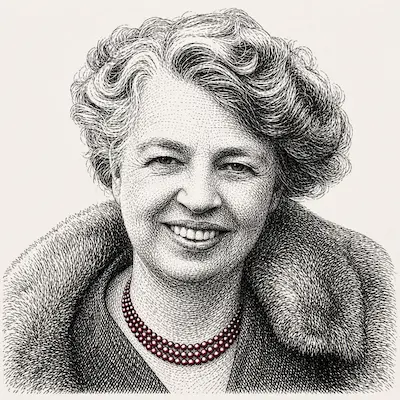 Eleanor Roosevelt
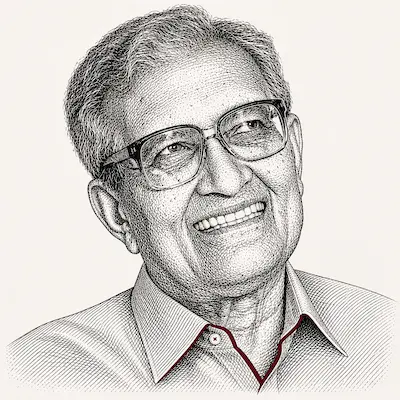 Amartya Sen
Market Freedom
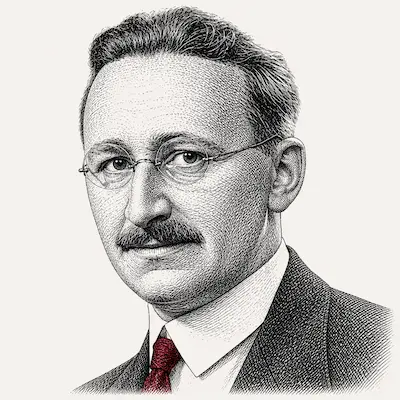 Friedrich Hayek
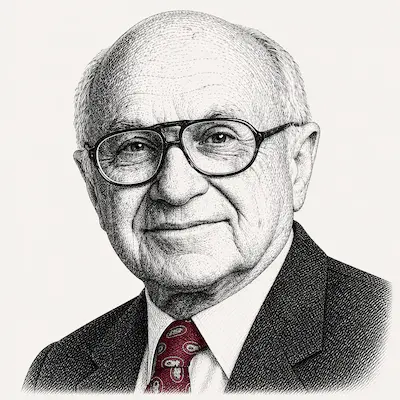 Milton Friedman
Selected members
Olof Palme
Will argue: Ultra-processed food regulation is justified social investment, protecting public health creates the human capital foundation for economic productivity, following Nordic welfare state model
Swedish social democracy's documented success combining individual freedom with collective welfare through active state intervention for public good
Eleanor Roosevelt
Will argue: Right to health includes protection from documented carcinogens, states have positive obligations to protect citizens' health through regulation when markets fail
Architect of international human rights framework including economic and social rights, particularly right to health and adequate nutrition
Amartya Sen
Will argue: True food freedom requires capability to access healthy nutrition, ultra-processed food proliferation constrains real food choices and reduces human capabilities
Capability approach framework and documented work on entitlements, particularly how market failures affect people's actual ability to access adequate nutrition
Friedrich Hayek
Will argue: Government cannot possess sufficient knowledge to determine individual dietary choices, market mechanisms and consumer information are superior to regulatory prohibition
Systematic framework for limits of government knowledge and spontaneous order, including documented positions on market mechanisms versus state direction
Milton Friedman
Will argue: Individual dietary choices are fundamental personal freedom, regulation produces unintended consequences and substitutes government judgment for individual preference
Documented framework on individual freedom and market mechanisms, including positions on government intervention and unintended consequences
Considered but not selected
John Stuart Mill: His harm principle is relevant but his framework predates modern public health evidence and regulatory state capacity - Confucius: His governance framework emphasizes virtue and rectification of names but lacks engagement with market regulation and individual rights tensions - Indira Gandhi: Her experience with emergency powers provides caution about state overreach but her documented policy record focuses on poverty elimination rather than consumption regulation