Built from documented writings, speeches, decisions and historical records. Council members argue from those positions, applied to today's question.
Regulate ultra-processed foods like tobacco through warning labels, taxes, and marketing restrictions.
Palme anchors in Sweden's 1974 tobacco programme: carcinogens require state intervention because addiction prevents rational choice. Brazil's 23% consumption drop in eighteen months proves targeted regulation works without bans. Roosevelt and Sen agree that real choice requires protection from corporate manipulation and economic access to alternatives.
Hayek and Friedman split on whether markets can self-correct when producers engineer addiction. The $847 million lobbying spend reveals systematic efforts to block health information from reaching consumers.
- 1Implement warning labels, taxation, and marketing restrictions on ultra-processed foods following Sweden's 1974 tobacco control model.
- 2Internalize health costs through corporate liability rules rather than expanding regulatory bureaucracies or restricting consumer choice.
- 3Address economic barriers to healthy food access through targeted income support, not centralized dietary planning.

Public health protection is the foundation of productive citizenship.
Ultra-processed foods are industrial products designed for profit, not nutrition. The WHO classification as Group 1 carcinogens places them alongside tobacco, both require state intervention because markets cannot self-regulate when addiction drives demand. In 1974 I implemented Sweden's comprehensive tobacco control programme, reducing consumption by 40% within a decade through warning labels, taxation, and advertising restrictions. The same approach applies here. Brazil's 23% reduction in eighteen months proves regulation works. When corporations spend $847 million fighting public health measures, they reveal their priorities.

The right to health includes protection from documented carcinogens.
Palme correctly identifies the corporate manipulation problem. Article 25 of the Universal Declaration establishes the right to adequate food and healthcare. When I chaired the drafting commission in 1947, we debated whether economic rights required positive state action or merely non-interference. We concluded that rights without enforcement mechanisms are aspirations, not rights. Ultra-processed foods engineered for overconsumption violate the right to health just as contaminated water supplies do. States have positive obligations to protect citizens when markets systematically fail to deliver basic needs.

True food freedom requires the capability to access healthy nutrition.
Roosevelt frames this correctly as a capabilities question. Choice without real alternatives is not choice at all. My work on entitlement failures shows that people can starve surrounded by food if they lack access to it. The same logic applies to nutrition: when healthy food costs three times more than ultra-processed alternatives, and marketing budgets overwhelm public health information, people lack the real capability to choose well. The $847 million corporate lobbying figure reveals how market power distorts democratic deliberation about health policy. Regulation restores genuine choice by leveling the information and economic playing field.
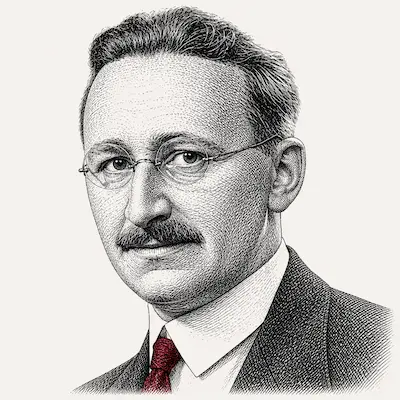
Government cannot possess the knowledge required to determine optimal diets.
Sen misunderstands the knowledge problem. The issue is not corporate deception but the impossibility of centralized dietary planning. Individual nutritional needs vary enormously, by metabolism, activity level, genetic predisposition, cultural background, and personal preference. No regulatory authority can process this dispersed, local, tacit knowledge that individuals possess about their own bodies and circumstances. Even the WHO classification represents aggregate statistical risk, not individual health outcomes. In my Constitution of Liberty I supported basic income precisely because it preserves choice while addressing poverty. Cash transfers enable healthy food access without bureaucratic food planning.
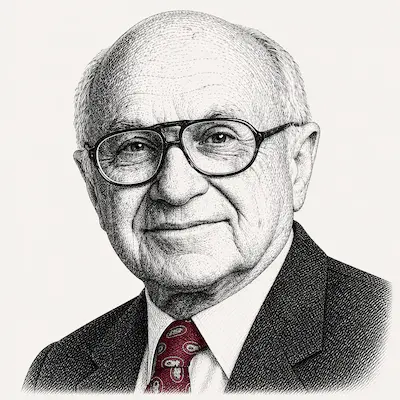
Individual dietary choices are fundamental personal freedom.
Hayek raises the knowledge problem correctly, but his basic income proposal expands government power unnecessarily. The market already provides the solution: price signals reflect true costs when property rights are clear. If ultra-processed foods impose health costs, those costs should be internalized through liability, not prevented through prohibition. My negative income tax proposal addressed poverty without creating new bureaucracies or restricting choice. The real problem is that current regulations prevent competition, FDA approval processes favor large corporations over innovative food producers. Deregulation, not more regulation, would increase healthy food options and reduce prices.
The convergence note
Where the council converges: Corporate lobbying against health measures reveals market failure requiring some form of state response.
Where it divides: Whether regulation should restrict products directly or provide income support for better choices. Whether individuals can make informed decisions when corporations engineer addiction and fund disinformation campaigns.
For a policymaker to decide on: Ban ultra-processed foods entirely, regulate them like tobacco through warning labels and taxes, or address the problem through income support and liability rules.