The Long Council
Who was selected, and why
Which country or countries will be the next world leader?
The central tension
Whether global leadership transitions through gradual economic/technological ascendance or requires deliberate strategic action and institutional reconstruction.
Selected members
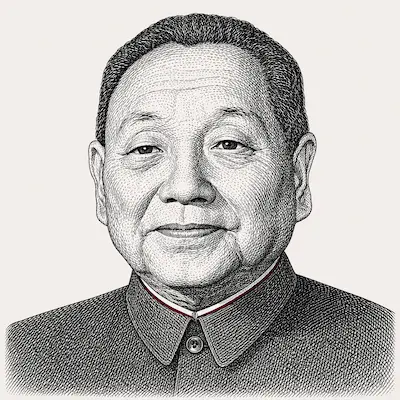
Deng Xiaoping
Will argue: Economic development must precede international ambition; premature assertion of global leadership destroys the domestic foundation required to sustain it
Architect of China's rise through state-directed development while maintaining strategic patience ("hide your strength, bide your time")
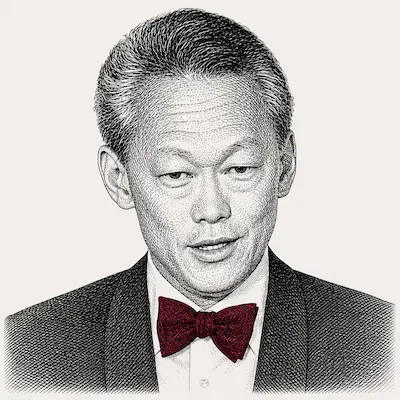
Lee Kuan Yew
Will argue: The next leader must make itself indispensable to multiple powers simultaneously; pure military or economic dominance alone is insufficient in a multipolar world
Theorist of small/medium state survival strategy and acute observer of US-China competition from Singapore's strategic position
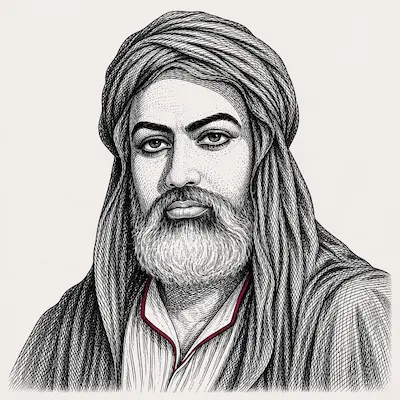
Ibn Khaldun
Will argue: Global leadership follows from internal strength and cohesion, not from external ambition; current powers showing signs of internal decay create opportunities for rising challengers
Theorist of dynastic cycles and the relationship between internal cohesion (asabiyya) and external power projection
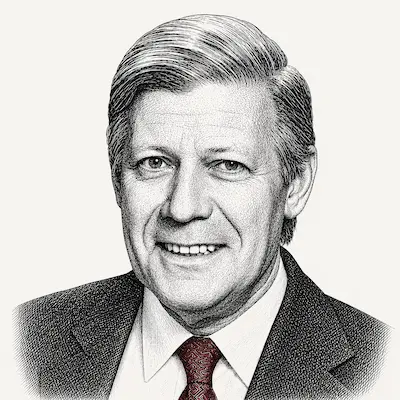
Helmut Schmidt
Will argue: The next world leader will be the power that solves the energy and resource security problems that currently constrain all major economies
European strategist who navigated the transition from US unipolar moment to multipolar competition, with deep experience of alliance management under shifting power dynamics
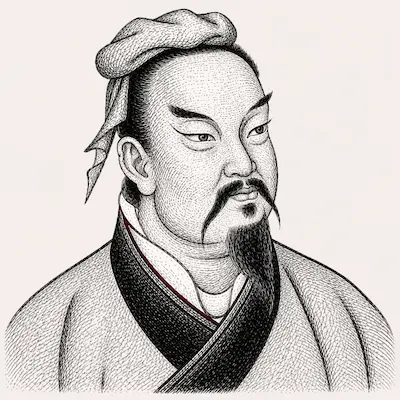
Sun Tzu
Will argue: The next world leader will be determined not by current strength but by superior strategic positioning and the ability to exploit the established power's own contradictions
Strategic theorist whose framework applies directly to great power competition and the conditions under which rising powers displace established ones
Considered but not selected
Kissinger: Would provide US perspective but his framework assumes US hegemony rather than analyzing its succession - Thatcher: Her framework is designed for medium power strategy within an established order, not for hegemonic transition - Kautilya: His mandala theory is relevant but requires substantial extrapolation to modern great power systems