Why is there so much unrest in France, and how could this be turned around?
- JR
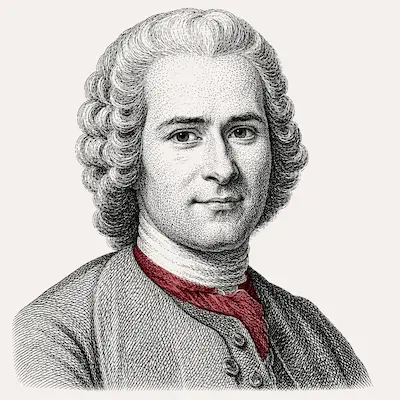 Jean-Jacques
Rousseau - NM
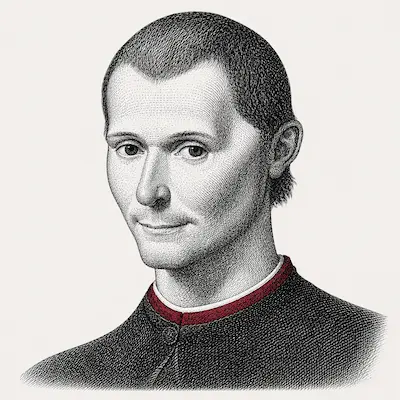 Niccolò
Machiavelli - MT
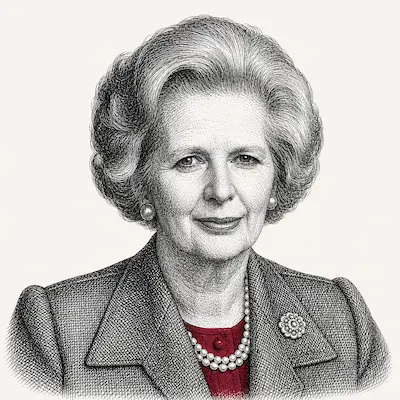 Margaret
Thatcher - OP
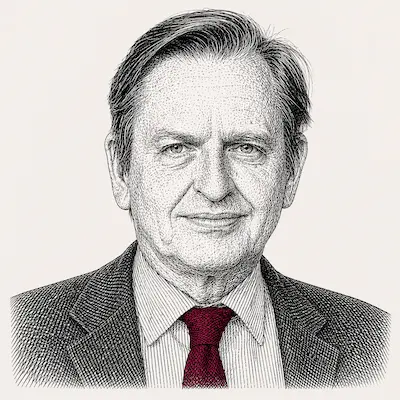 Olof
Palme - AOH
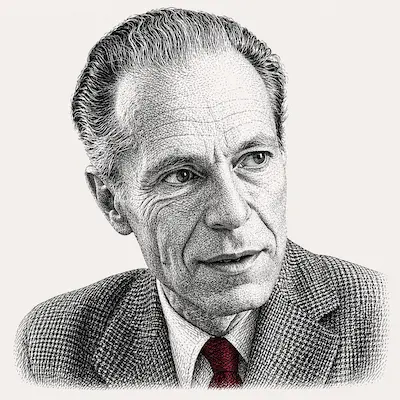 Albert O.
Hirschman - HS
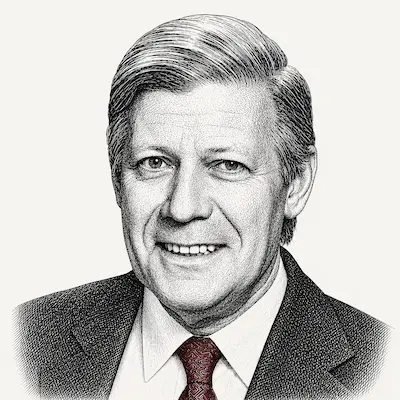 Helmut
Schmidt
Built from documented writings, speeches, decisions and historical records. Council members argue from those positions, applied to today's question.
- 1A weekend of clashes and looting marked France's most violent unrest in years, per the Associated Press.
- 2Macron blamed the violence on "radical far-left groups" aiming to "bring the Republic down," plus opportunistic looters.
- 3The protests began last month at a high school in Creteil over staff shortages before spreading nationwide.
- 4CGT labour union and "yellow vest" activists plan to join a major demonstration, with another day of action set for Nov. 5.
The council treats these as reported facts, not settled truth. The members supply the reasoning; the asker supplied the sources.
Macron must prosecute looters and fund the Creteil schools fix in the same week, not in sequence.
Rousseau and Hirschman trace the unrest to a cause, not a conspiracy: Creteil's staff shortages went unanswered until students, the CGT, and yellow vests converged. Thatcher and Machiavelli counter that hesitation reads as weakness, citing the 1984 miners' strike and Cesare Borgia's swift restoration of order in the Romagna. Schmidt's 1977 German Autumn shows both can run at once: he jailed terrorists without easing economic management. Palme adds that unfunded austerity, not school spending itself, is what turned a local complaint into nationwide cost of living anger.
The council splits on sequence, not substance. Thatcher and Machiavelli want order visibly restored before concessions are announced, while Rousseau, Palme, and Hirschman warn that delay past November 5th will read as confirmation the state only listens to the street.
- 1Publish costed education funding figures for Creteil schools this week, announced in the same week as looting prosecutions.
- 2Prosecute November 5th looters and arsonists as a distinct track, separate from the funding grievance being addressed.
- 3Drop "radical far-left" framing where it substitutes for naming genuine grievance channels that went unanswered.
A school funding protest exposed a broken general will, not a splinter group.
Macron blames radical factions, but factions only flourish when the social contract has already failed ordinary citizens. In 1755 I argued that private property creates inequality, and inequality destroys the civic equality that makes a general will possible. Creteil's teachers lacked resources while wealth concentrated elsewhere; that gap, not agitators, lit the match. When the CGT and yellow vests now converge with students, that is not contagion. That is citizens recognising a shared grievance the state refused to name.
Macron must act now, decisively, or lose the state entirely.
Rousseau mistakes diagnosis for strategy. I do not deny the grievance is real; I insist the prince who hesitates when disorder spreads is finished either way. In 1502 I watched Cesare Borgia crush rivals in the Romagna swiftly, then govern with calm authority once order was restored. Macron's "radical far-left" framing is half right and half weak: name the arsonists precisely, punish looting without mercy, and simultaneously announce concrete relief. Ambiguity, not firmness, is what invites the Fifth of November crowd to test him.
Order comes first; concessions to the street only buy more street.
Machiavelli is closer to right than Rousseau, but firmness without fiscal discipline is theatre. In 1984 I faced down the miners because conceding to Scargill's pickets would have taught every union that violence sets policy. France's unrest did not begin with looting; it began with a school funding complaint that the state should have answered through budgets, not vague promises. Now it has metastasised into cost of living rage because successive governments spent what they did not have. Restore order, then prove the state can govern its money honestly.
French unrest is the price of austerity without equality's efficiency.
Thatcher treats discipline as the whole answer; Sweden's record says otherwise. We ran active labour market policy and high taxation through the 1970s and achieved full employment with low inflation, because solidarity wages built trust rather than resentment. Creteil's staff shortages and the living cost anger that followed are what happens when a state lets inequality widen while blaming the people who notice. Capital controls and bans do not rebuild that trust. Investing visibly in schools and wages does, and it does not require surrendering fiscal sense.
Protest spread because ordinary voice channels had already gone silent.
Palme is right about equality, but the mechanism is simpler and more structural. When institutions ignore complaints, citizens do not stay loyal or exit quietly; they escalate voice until someone listens. Creteil's teachers almost certainly tried grievance channels before the street. I saw in Colombia how suppressed local consultation forces conflict into cruder forms once ordinary complaint fails. That the CGT and yellow vests now merge with students is not coordination by radicals; it is accumulated voice finally finding a shared megaphone because no smaller one worked.
Hold the line on violence while delivering real, costed relief fast.
Hirschman names the mechanism; governing requires doing both things in the same week. In 1977, during the German Autumn, I authorised force against terrorism without apology, but I never let security crowd out economic management, because a state that only represses loses legitimacy twice. Macron is right to isolate looters from genuine grievance, but "radical far-left" rhetoric alone will not survive November 5th if nothing concrete follows. Announce the school funding fix with real numbers this week, prosecute the arson separately, and do not confuse the two publics.
The convergence note
Where the council converges: Every member treats the Creteil spark as proof of a prior governance failure, not a sudden ideological contagion. Firm action against looting and clear, funded relief for grievances are both seen as necessary, not alternatives.
Where it divides: Thatcher and Machiavelli prioritise visible state authority before concession; Rousseau, Palme and Hirschman insist addressing inequality and voice must come first or order will not hold. Schmidt tries to force both onto the same timeline.
For a policymaker to decide on: Whether to announce costed education and living cost measures before or simultaneously with prosecuting the November 5th unrest, and whether "radical far-left" framing helps or undermines that credibility.