Built from documented writings, speeches, decisions and historical records. Council members argue from those positions, applied to today's question.
Germany should treat terrorism as a crime, prosecute it through courts, and keep emergency powers time-limited and specific.
Schmidt's 1977 Mogadishu operation shows that decisive force can resolve a crisis without dismantling the state. Machiavelli agrees: one sharp action, stopped, is not the same as permanent emergency rule. But Arendt's warning is grounded in German history. Weimar's Article 48 was used occasionally, then routinely, then fatally. Each invocation made the next easier.
Locke and Ibn Khaldun close the argument from opposite directions. Locke holds that detention without trial negates the compact the state was built to protect. Ibn Khaldun adds that surveillance and profiling fracture the social solidarity that makes a state hard to break. The RAF wanted Germany to suspend itself. A response that outlasts the crisis gives them that victory on a delay.
- 1Prosecute terrorist acts through existing German courts, not emergency tribunals, using Rechtsstaat procedures as the primary instrument.
- 2Codify strict sunset clauses on any expanded security powers, requiring Bundestag reauthorisation before renewal.
- 3Reject mass surveillance and ethnic profiling as counterterrorism tools; both fracture the social solidarity the state depends on.
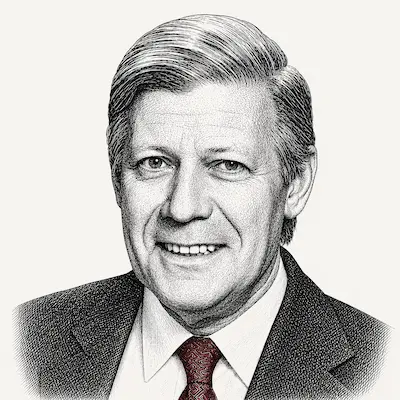
The state must act first and justify itself second.
In October 1977, when the RAF held Hanns-Martin Schleyer and hijacked Lufthansa Flight 181, I did not convene a seminar on proportionality. I authorised GSG9 to storm the aircraft at Mogadishu and I refused to release the prisoners. Forty-three days of crisis ended in one night. The Rechtsstaat survived because I defended it without hesitation. A government that deliberates while hostages die has already lost. Speed and resolve are not the enemies of constitutional order, they are its precondition.
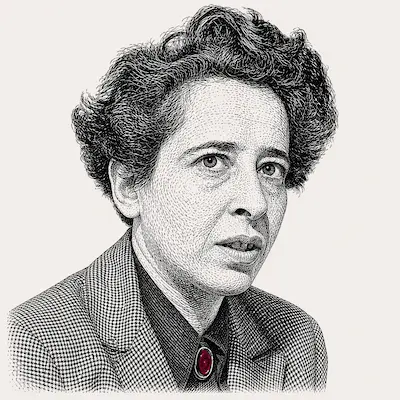
Emergency powers normalise faster than the emergency passes.
Schmidt asks whether resolve becomes tyranny. I watched that happen in Germany before he governed it. The Weimar Republic did not collapse because its enemies were strong. It collapsed because Article 48 emergency powers became routine, each invocation making the next easier, until the constitutional order was a shell that anyone could wear. The RAF wanted exactly this: a state that suspends itself in the act of defending itself. Mogadishu succeeded militarily. The question is what the Schleyer crisis's legal residue cost the Grundgesetz.
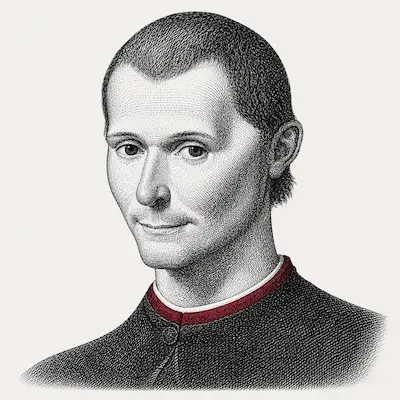
Cruelty used once, decisively, and stopped is not cruelty.
Arendt asks about cruelty toward citizens. I distinguish the question. The RAF were not citizens exercising political voice. They were armed men attempting to dissolve the state's monopoly on force. In Book Three of the Discourses I wrote that when the safety of the republic is at stake, no consideration of justice or humanity should be allowed to prevail. This is not a license for permanent emergency. It is a recognition that the republic that flinches at its own defense will not survive to practice the virtues it postponed.
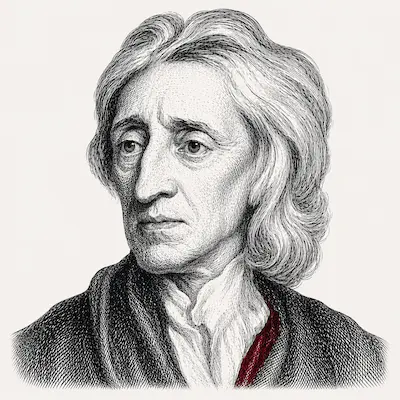
A government that dissolves rights to save them dissolves itself.
Machiavelli poses this cleanly, so I will answer it directly. In the Second Treatise I argued that wherever law ends, tyranny begins. A government holds authority only so long as it acts within the compact that created it. Detention without trial, suspension of due process, the apparatus of emergency that outlasts the emergency, these are not defenses of the constitutional order. They are its negation. The Rechtsstaat is not a tactical asset to be spent in a crisis. It is the thing being defended.
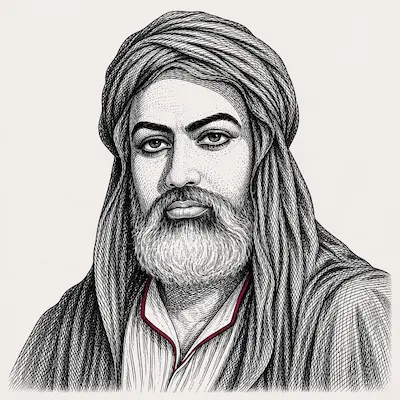
The response that fractures solidarity hands victory to the adversary.
Locke asks about legitimacy. I ask about durability. When Timur besieged Damascus in 1401, I watched how external pressure revealed the internal condition of a society. A group with strong asabiyya, genuine social cohesion, consolidates under threat. A group already fractured by internal grievance splinters further. The RAF were not merely attacking German citizens. They were testing whether the Federal Republic's solidarity was real. A government that responds with mass surveillance, ethnic profiling, or the suspension of civil equality does not defeat this test. It fails it, on the adversary's terms.
The convergence note
Where the council converges: The German state had both the right and the obligation to respond to RAF terrorism with force. No member disputes this.
Where it divides: Schmidt and Machiavelli hold that decisive executive action precedes constitutional justification; Arendt and Locke warn that emergency powers erode the very order they defend. Ibn Khaldun divides from all four: he asks not whether the response was legal or resolute, but whether it preserved or fractured the social cohesion that makes the state durable.
For a policymaker to decide on: Does the German government treat terrorism as a criminal matter governed by existing Rechtsstaat procedures, or authorise expanded executive and security powers that risk normalising emergency governance? Choose one, knowing the other's cost is real.