How should civil society organizations shift media coverage of Ukraine from military strategy to democratic values and human rights?
Built from documented writings, speeches, decisions and historical records. Council members argue from documented positions, applied to today's question.
Name the person, the article violated, and the town. Drop "democratic values" as the headline.
Roosevelt and Arendt converge on the same mechanism from different angles. Roosevelt argues that Article 9 (deportation) and Article 26 (school destruction) are harder to dismiss than broad values claims. Arendt adds that Russia is erasing the political community itself, not just harming individuals. Sen grounds both in evidence: democracies sustain coalitions longer and self-correct faster, so the values frame is also the strategic frame.
Machiavelli's warning is real but not decisive. Hirschman identifies it as a recognizable reactive objection, perversity, and the burden of proof lies with those claiming reframing will backfire, not those proposing it.
- 1Name the specific UDHR article violated, the individual harmed, and the town in every Ukraine story civil society organizations publish.
- 2Reframe Ukraine coalition arguments around democratic durability and self-correction, not military strategy alone; present this as empirical, not moral.
- 3Test each objection to rights-based framing against Hirschman's three patterns: perversity, futility, and jeopardy, before accepting it as fact.

Ukraine's human rights story needs names, articles, and addresses, not abstractions.
Civil society organizations must anchor their Ukraine coverage in the UDHR's specific architecture: name the article violated, name the person harmed, name the place. When I drafted the Declaration in 1948, I insisted on thirty concrete articles precisely because abstract moral claims dissolve under political pressure. The deportation of Ukrainian children violates Article 9. The destruction of schools violates Article 26. Concrete rights claims are harder to dismiss than "democratic values," and they create legal accountability that vague framing never can.
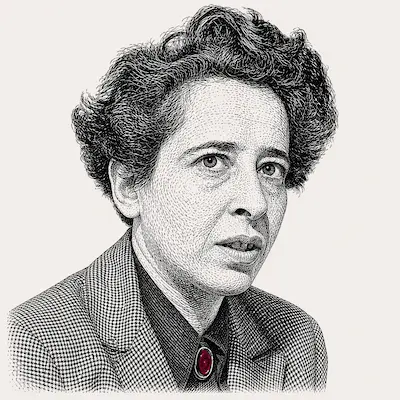
The real harm in Ukraine is to the conditions that make rights possible at all.
Roosevelt is right that specificity matters, but naming rights violations is insufficient if publics cannot see what is actually being destroyed. Russia is not merely harming individuals; it is erasing the political community itself: occupying governance structures, deporting children to sever generational continuity, abolishing civic institutions. I watched stateless people in 1940s Europe hold every right on paper and exercise none, because no political body was obligated to enforce them. Civil society must make visible the destruction of political membership, not only its symptoms.
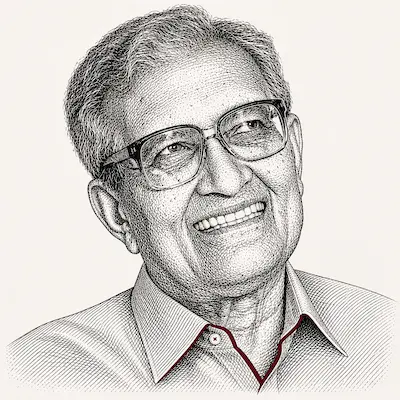
Democracy and security are the same argument, not competing ones.
Arendt's point about political membership is powerful, but I want to press its empirical dimension. The strategic-versus-values framing is a false choice. No democracy has suffered a famine, because democratic institutions generate the information governments need to correct failures. The same logic applies to security: democracies sustain coalitions better, self-correct faster, and produce more durable outcomes. Civil society organizations should argue this empirically, not just morally. In 1999 I made this case in the Journal of Democracy precisely because universalist claims require evidential grounding, not just philosophical assertion.

Political support depends on what audiences were cultivated to care about.
Sen asks whether reframing costs the coalition. The answer depends on which coalition. I served as envoy to Cesare Borgia in 1502 and watched him lose everything the moment his patron died, because he had built his position on a single sponsor's interest rather than multiple bases of support. Civil society organizations that shift from military framing to human rights framing risk the same error in reverse: abandoning audiences cultivated around strategic interest before building new ones around values. Reframing is not free. It has costs in coalition stability that must be calculated, not assumed away.
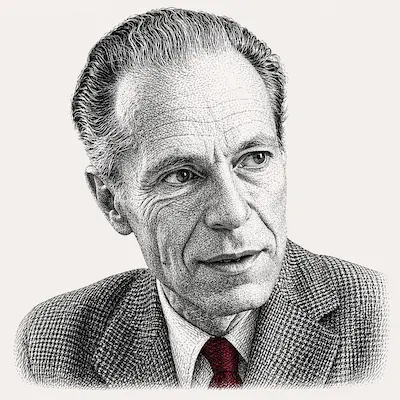
Objections to values framing fit recognizable patterns of reactive rhetoric.
Machiavelli names a real concern, but I want to test its analytical quality. In my work on the rhetoric of reaction, I identified three recurring moves against progressive reframing: perversity (it will backfire), futility (media won't change), and jeopardy (it will undermine existing support). All three appear in debates about Ukraine coverage. Each must be tested empirically, not accepted as obvious. I spent four years in Colombia from 1952 watching planners accept reactive objections as facts rather than hypotheses. Civil society organizations should ask: which objections are genuine analysis, and which are rhetorical weapons designed to prevent change?
The convergence note
Where the council converges: Concrete specificity beats abstraction: naming violations, people, and places produces more durable claims than invoking "democratic values" broadly.
Where it divides: Roosevelt, Arendt, and Sen hold that the values frame is itself strategic, because it grounds coalition legitimacy and sustains support. Machiavelli argues that reframing risks losing audiences cultivated around security interests before new audiences are built. Hirschman challenges whether the objections to reframing are genuine or rhetorical, but does not resolve whether the coalition risk is real.
For a policymaker to decide on: Should civil society organizations shift framing simultaneously across all audiences, or sequence the shift: maintaining security framing for governments and military donors while building rights framing for publics and international institutions?