The Long Council
Who was selected, and why
Should Groningen's gas fields remain open for emergency situations?
The central tension
Energy sovereignty versus environmental justice, the trade-off between national energy security and the safety of local communities bearing the concentrated risks of extraction.
Selected members
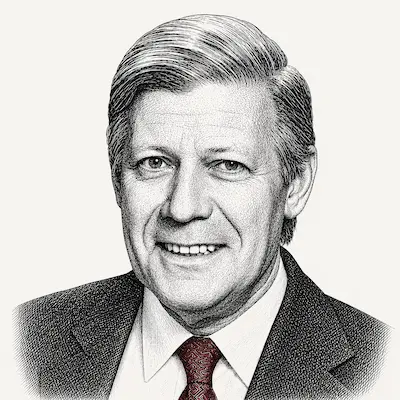
Helmut Schmidt
Will argue: Groningen should remain available for genuine emergencies because energy import dependency during crisis is an existential vulnerability for a small European state.
Schmidt's documented framework treats energy security as a sovereign imperative and resource dependency as a vulnerability requiring mitigation through domestic reserves.
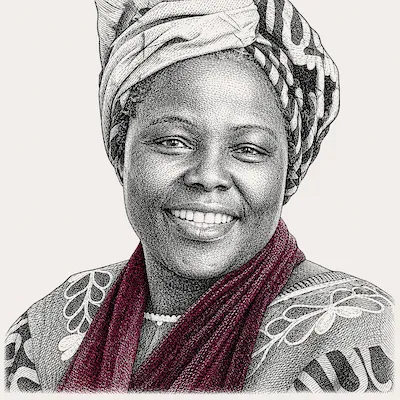
Wangari Maathai
Will argue: Keeping Groningen open perpetuates environmental injustice against local residents who face documented seismic risks for national energy security they don't control.
Maathai's framework addresses the environmental justice implications of resource extraction and the documented pattern of local communities bearing costs while distant populations receive benefits.

Elinor Ostrom
Will argue: The decision requires polycentric governance involving local communities in risk assessment and compensation, with clear rules for when emergency use is justified.
Ostrom's framework addresses the governance of common-pool resources under uncertainty and the design principles for sustainable resource management institutions.
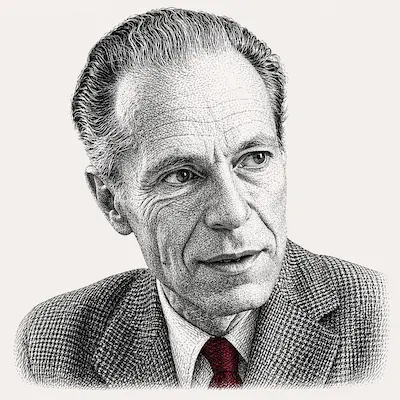
Albert Hirschman
Will argue: Closing Groningen permanently forecloses future options under unknowable scenarios; temporary suspension with emergency capability preserves flexibility while addressing current harms.
Hirschman's irreversibility threshold principle applies directly to permanent infrastructure decisions with long-term consequences.
Considered but not selected
Margaret Thatcher: Energy security advocate but lacks environmental governance framework for the local impact dimension - Lee Kuan Yew: Small state survival specialist but Singapore's resource-poor context doesn't translate to extraction decisions - Deng Xiaoping: Development-first approach but framework designed for authoritarian implementation rather than democratic consultation with affected communities