The EU must choose between deeper integration with stronger central authority or returning power to member states — the current hybrid cannot survive.
Adenauer and Bolívar argue that continental unions need concentrated authority to override local interests or they fragment. Thatcher and Rousseau insist that legitimate government requires popular consent, which the EU lacks at European scale. Ibn Khaldun sees the decay as natural — prosperity eroded the solidarity that war and crisis created.
The council agrees the current system fails but splits on the cure: more Europe or less Europe.
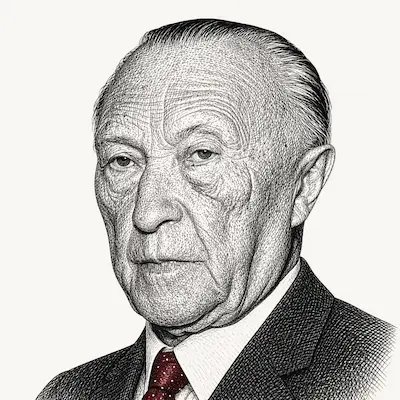
European integration requires accepting sovereignty constraints as the price of genuine sovereignty.
In November 1954 I told the Bundestag that West Germany would accept NATO membership and rearmament despite fierce opposition — because a Germany that remained defenseless would remain dependent. The choice was not between sovereignty and constraint. It was between pooled sovereignty and no sovereignty. A defeated nation rebuilds by making itself indispensable to its former enemies, not by asserting rights it lacks the power to defend.
The European Coal and Steel Community forced us to share control of our coal and steel — the very industries that had powered German aggression. Critics called this surrender. I called it the only path back to respectability. When you rebuild from rubble, you cannot afford the luxury of pure positions.
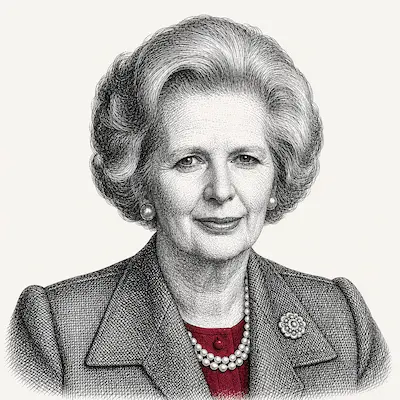
The EU's crisis stems from attempting political union without democratic legitimacy — either return power to nation-states or create genuine European democracy.
Adenauer misunderstands the nature of sovereignty. In 1988 I told the College of Europe in Bruges that we had not rolled back the frontiers of the state in Britain only to see them re-imposed at a European level. Sovereignty cannot be pooled — it can only be surrendered or retained. What Adenauer calls "earning sovereignty" is actually trading it away.
The EU's current crisis proves my point. Brussels imposes policies on peoples who never consented to them through institutions they cannot hold accountable. The European Parliament is a fig leaf — real power lies with the Commission and Council. When Greece was forced to accept bailout conditions its people rejected, that was not integration. That was imperial domination with a democratic veneer.
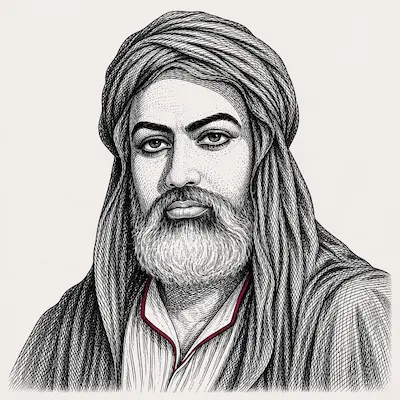
The EU exhibits the classic symptoms of institutional decay — prosperity has eroded the solidarity that enabled its creation.
Thatcher correctly identifies the democratic deficit, but she misdiagnoses the cause. In my observation of North African dynasties, I documented a consistent pattern: success destroys the conditions that produced success. The EU's founders had strong asabiyya — group solidarity forged by war, economic collapse, and external threat. Today's Europeans have known only prosperity and peace.
When I advised rulers in Granada and Cairo, I saw repeatedly that institutions built during crisis lose their binding power during stability. The EU's problem is not institutional design but the natural cycle of political decay. Prosperity makes populations comfortable, comfort makes them individualistic, individualism erodes collective commitment.
The sovereign debt crisis should have strengthened European solidarity — shared threat creates shared identity. Instead, Germans blamed Greeks and Greeks blamed Germans. This is the behavior of groups whose asabiyya has weakened beyond repair.
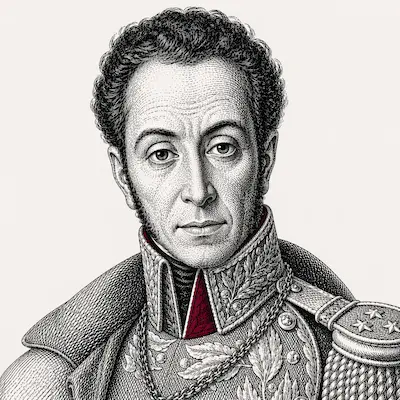
Continental unions require either strong executive authority to override local interests or they fragment under centrifugal pressures — the EU's democratic deficit may be a feature, not a bug.
Ibn Khaldun understands the dynamic perfectly. I built Gran Colombia from the ashes of Spanish rule, but within ten years it had splintered into Venezuela, Colombia, and Ecuador. The forces pulling it apart were stronger than those holding it together — regional interests, geographic barriers, economic competition, personal ambitions of local leaders.
In my 1826 Bolivia Constitution, I proposed a lifetime presidency precisely because I had learned that weak executives cannot overcome centrifugal forces. My critics called this authoritarianism. I called it the only alternative to fragmentation. The EU faces the same choice I faced: either concentrate authority enough to make binding decisions, or accept that member states will pursue their separate interests when those conflict with European ones.
Adenauer's generation accepted this trade-off because they had experienced the alternative. Today's Europeans have not. They want the benefits of union without its costs. That combination is impossible.
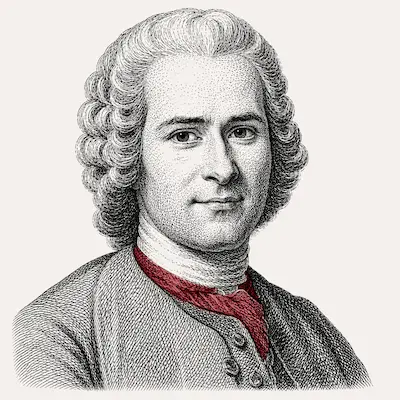
The EU's crisis is fundamentally about the gap between elite integration and popular will — renewal requires either genuine popular sovereignty at the European level or accepting the limits of what can be legitimately imposed.
Bolívar poses the essential question, and the answer reveals why the European project was misconceived from the beginning. Legitimate political authority requires that citizens obey only laws they have given themselves through the general will. The general will cannot exist among peoples who do not share a common identity and common interests.
The EU was built by elites who assumed they could create European identity through European institutions. This reverses the proper order. Political community must precede political authority, not follow from it. When Brussels imposes policies that majorities in member states oppose, it violates the fundamental principle of legitimate government.
The choice is stark: either build genuine European democracy — with a European demos capable of European general will — or accept that the current hybrid produces neither democracy nor effectiveness. The middle path leads only to the crisis we observe: institutions without legitimacy governing peoples without consent.
The convergence note
Where the council converges:
All members accept that the EU's current institutional framework cannot sustain the pressures it faces. The hybrid of national democracies and supranational authority has reached its limits.
Where it divides:
Adenauer and Bolívar argue that stronger central authority is necessary for union survival, while Thatcher and Rousseau insist that legitimacy requires returning power to national democracies. Ibn Khaldun sees the decay as cyclical and potentially irreversible.
What only the policymaker can resolve:
Whether to deepen integration through stronger European institutions that can act without unanimous consent, or to return significant powers to member states and accept a looser confederation.